Lapka
Lapka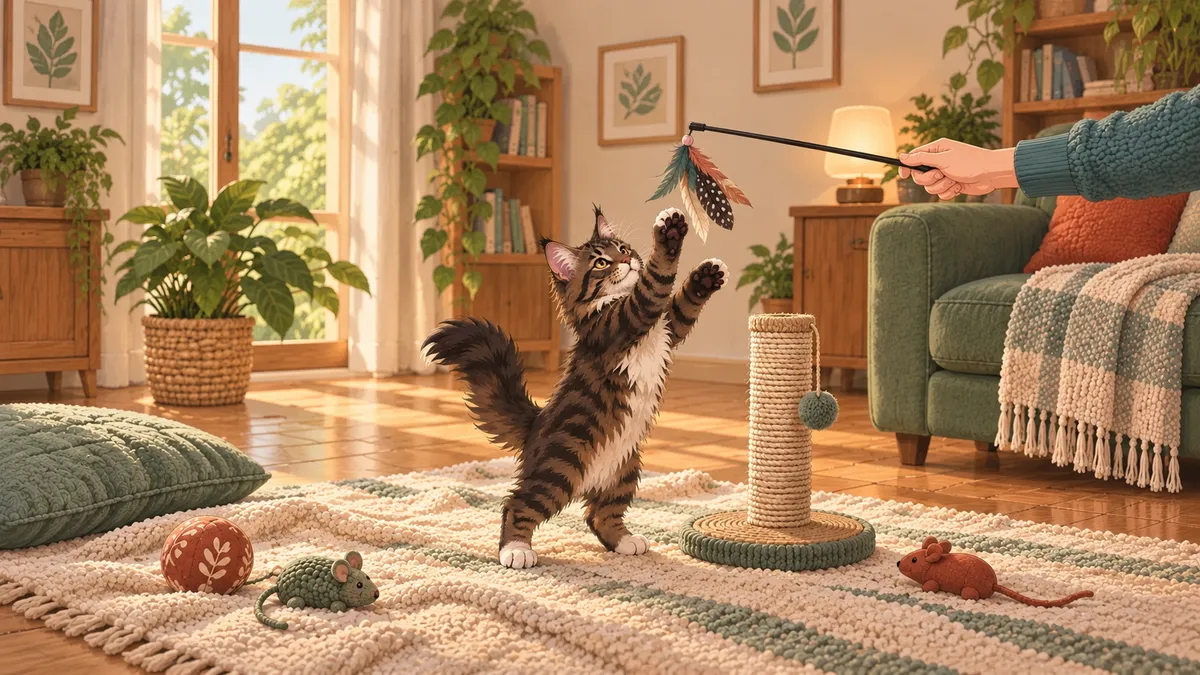
Where to start
Keep lessons short, kind and at your kitten’s pace, rewarding what you want with a treat or praise instead of punishing what you don’t. From day one, show them the litter tray and a scratching post, play with toys rather than hands and practise gentle handling a second at a time. Once they feel at home, add first cues: their name, coming when called, touching a target and sitting.
Keep socialising, at your kitten’s pace
The key socialisation period runs from about two to seven weeks of age, before a kitten is ready to leave their mother, so it should already have begun. What your kitten meets in their first weeks with you still shapes later behaviour, so carry on gently, in one quiet room where they can come to you.
Then add one new thing at a time: a single calm visitor rather than a crowd, household sounds kept low at first. Keep each experience short and positive, reward calm curiosity with a treat or praise, and let your kitten walk away whenever they like. If they struggle or seem distressed, stop and try a smaller step later.
Practise handling a second at a time
Gentle handling can help your kitten get comfortable with health checks. Choose a relaxed moment and touch a spot they already enjoy, such as the side of the neck, for one second, then give a treat straight away. When that is easy, move a little closer to a paw, an ear or the mouth, and only later stretch the touch to two or three seconds.
Keep sessions to two minutes at most and never restrain your kitten. If they pull away, you moved too fast, so go back a step. Holding works the same way: a few seconds is enough at first.
Show the litter tray on day one
Kittens usually learn to use a tray by copying their mother, and most take to a new one quickly once shown where it is. Put it in a quiet corner of their room, away from food and water, with the litter they already know. While they learn, mix a little old litter into the fresh when you clean the tray, so it smells familiar.
If your kitten has not found it, place them in the tray when they wake up, after meals, or when they start sniffing, scratching the floor or crouching, then leave them in peace. After an accident, clean with a biological or enzymatic washing solution and do not punish: your kitten won’t understand, and it can add stress.
Put a scratching post by the bed
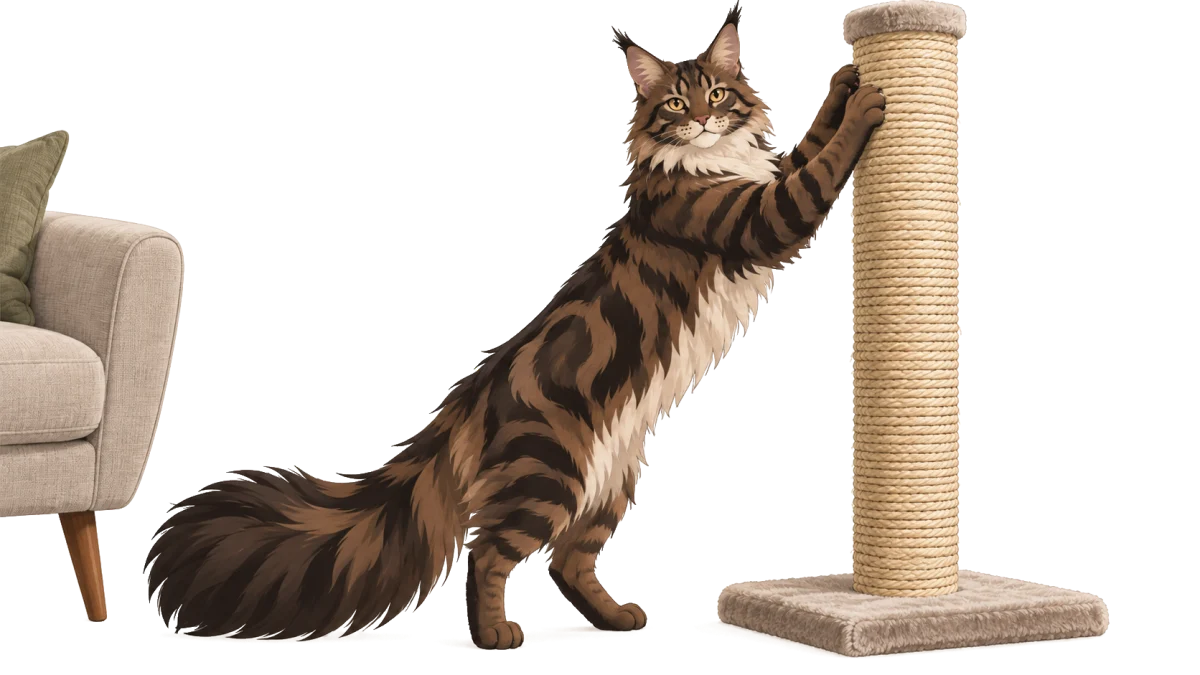
Kittens start scratching at around five weeks old. It keeps claws healthy and marks territory, so give it a place rather than trying to stop it. From the first day, put a kitten-sized post close to their bed, because cats often scratch after waking. Some kittens find a large angled or flat cardboard scratcher easier.
To invite the first scratch, play a wand game around the base so their claws touch the surface, then reward with a treat or gentle praise. If they choose the sofa, skip the scolding and give your attention to the post. As your kitten grows, swap in a sturdy post tall enough for a full stretch.
Play with toys, never with hands
Chasing, pouncing and rough-and-tumble come naturally to kittens. Littermates teach each other that a bite was too hard by stopping the game, and a kitten raised alone may have missed that lesson. Wiggling fingers or toes seems harmless while they are small, but it can encourage predatory behaviour towards people as they grow.
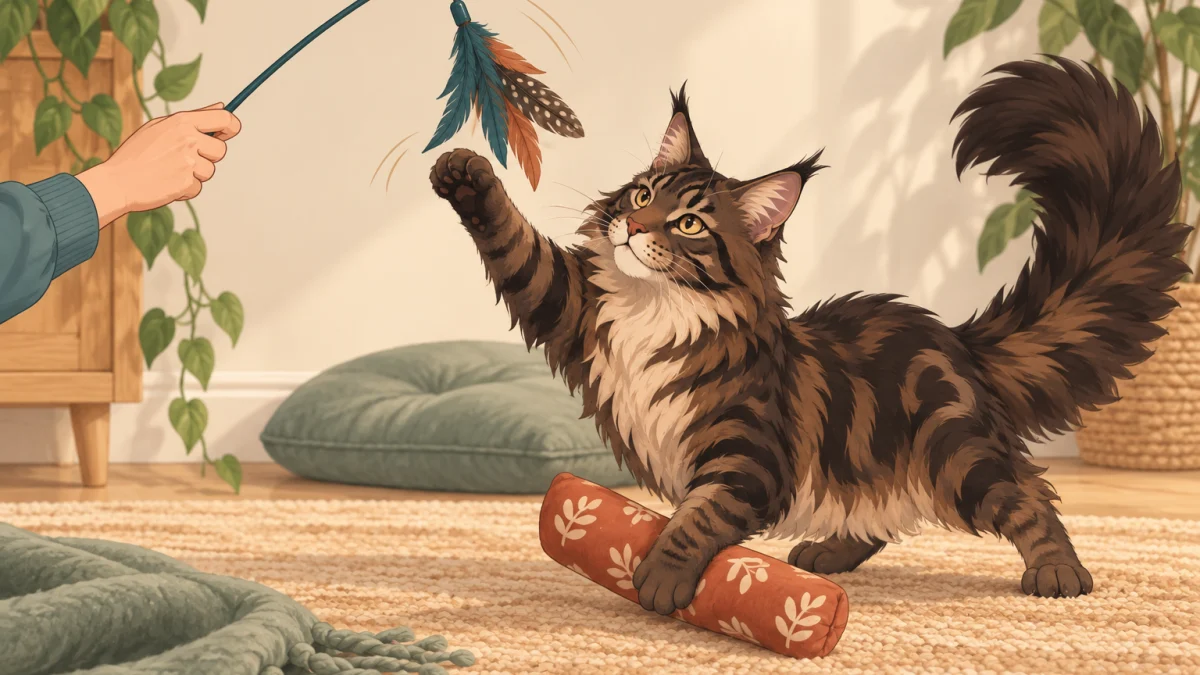
Use toys that keep teeth and claws away from you, such as a fishing rod toy, a ball or a toy mouse, and put string toys away after supervised play. If your kitten pounces on you, keep still so there is nothing exciting to chase, then offer a toy or calmly walk away. Everyone at home needs the same rule.
First cues: name, come, target, sit
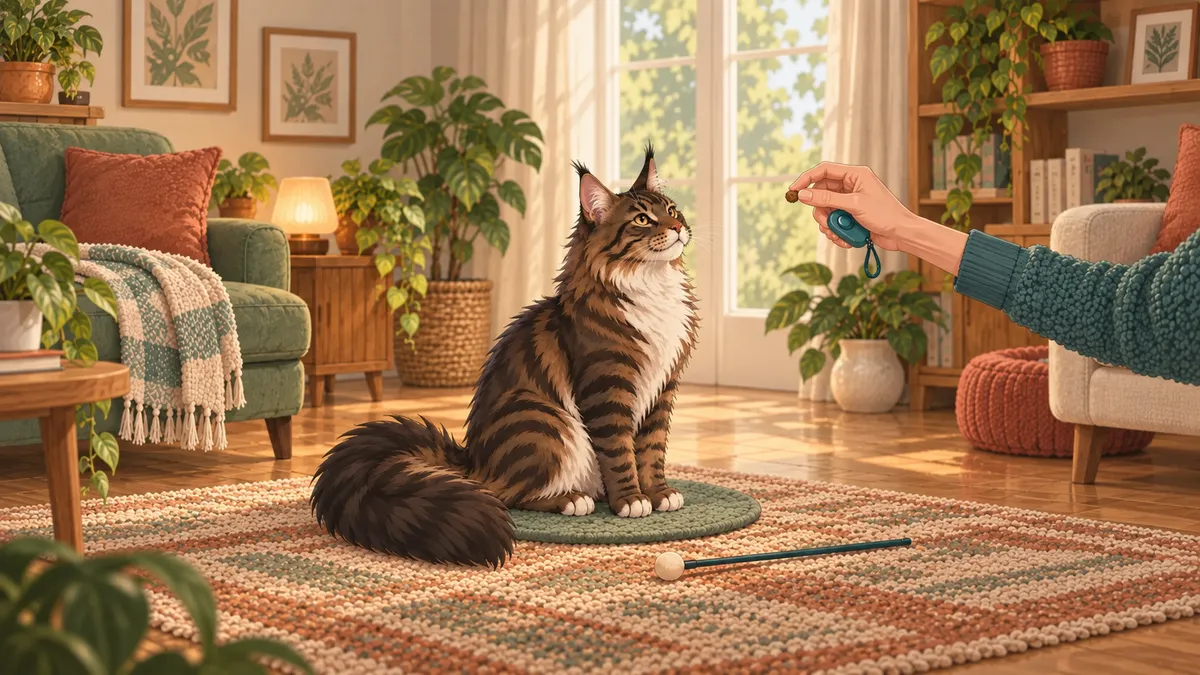
Use a small, set portion of treats or daily food and stop when it runs out; too many treats can upset a kitten’s stomach. Pick one marker, a short “yes” or a clicker, and reward straight after it. For the name, say it once; when your kitten looks at you, say “yes” and give a little food within about two seconds. For coming when called, call from close by and reward the arrival.
For a target, hold your hand or a stick near their nose, mark and reward the touch, and move it a little further each time; later it can guide them into the carrier. For sit, lift a treat slowly from their nose and a few centimetres back towards the tail; as they follow it, they tend to sit. Mark that moment, and never press them down.
Make the carrier part of the furniture
Aim for a carrier that does not only appear before a vet visit. From day one it can stay open in your kitten’s room as a safe retreat, with familiar bedding inside and the occasional treat to find.
When your kitten walks in happily and stays a few minutes, close the door for a moment, reward them inside, then open it again. Next, lift the carrier briefly. Move on only when they seem completely comfortable, and go back a step if not. At the vet, mention what you have practised.
Short lessons, long naps
Growing and learning are tiring. Kittens need lots of sleep for their development and may play hard, then suddenly nod off, so never wake one for a lesson or a cuddle. Train when your kitten is awake and curious, keep sessions to two or three minutes, and stop while the step still feels easy.
Afterwards, write one line: the step, the tries, what your kitten did and one detail of body language. It shows where to start next time and when a step should be smaller. Lapka keeps each lesson short and adjusts the next step from the notes you leave.
What to avoid, and when to get help
Do not punish by scolding, tapping or spraying water: punishment can make a kitten anxious or fearful, and physical punishment can worsen aggression. Do not wrestle with bare hands, let children chase the kitten or pass them round a room of visitors; flooding a kitten with too much at once can have a lasting negative effect.
Follow your vet’s advice on vaccinations, parasite treatment and neutering, and ask them, along with a qualified cat behaviourist, for help if your kitten hides from people, seems uncomfortable when touched, or if biting, scratching or toileting problems keep growing.
A kitten lesson note
Tuesday, after breakfast, two minutes. Name: five calls, looked up four times, “yes” and food each time. Front paw: two one-second touches, relaxed. Ear: leaned away once, so back to the neck. Asleep soon after. Next time: same paw, then one ear touch.
The numbers describe one imaginary session, not a target. Note the last step that felt easy: that is where the next lesson starts.
When it does not go to plan
When can I start training my kitten?
Some of it starts on day one: a tray they can find, a post by the bed and toys instead of hands. After a calm first day or so, begin short cue lessons once they are exploring and coming to you. Cats of any age can learn.
How do I stop my kitten biting my hands?
Keep still so there is nothing exciting to chase, then calmly walk away or offer a wand toy that keeps teeth off your skin. Never tap, push or scold. If pounces follow a pattern, such as one doorway or time of day, start a toy game just before.
My kitten is shy. Should I pick them up so they get used to me?
No. Let them come to you. Don’t coax them out of hiding; stay in the same room, ideally on the floor at their level, and reward any calm approach with a treat. A shy kitten may need slower introductions and more time to build confidence.
Do I need a clicker?
No. A short “yes”, said the same way each time and always followed by a reward, works as a marker. If you use a clicker, pair it with treats first, muffle it in a pocket at the start and switch to a word if the sound startles your kitten.
Sources and further reading
- Cats Protection — Bringing a new kitten home
- Cats Protection — Kitten socialisation
- RSPCA — How to look after a kitten
- International Cat Care — Helping your new cat or kitten settle in
- RSPCA — How to use a cat litter tray
- International Cat Care — Scratching on furniture and carpets
- Cornell Feline Health Center — Feline Behavior Problems: Aggression
- Cats Protection — How to train your cat to be comfortable with handling
- Cats Protection — How to train your cat to know and respond to their name
- Cats Protection — Tips for clicker training a cat
- Cats Protection — How to train your cat to sit on command
- Cats Protection — How to choose and use a cat carrier