Lapka
The short answer
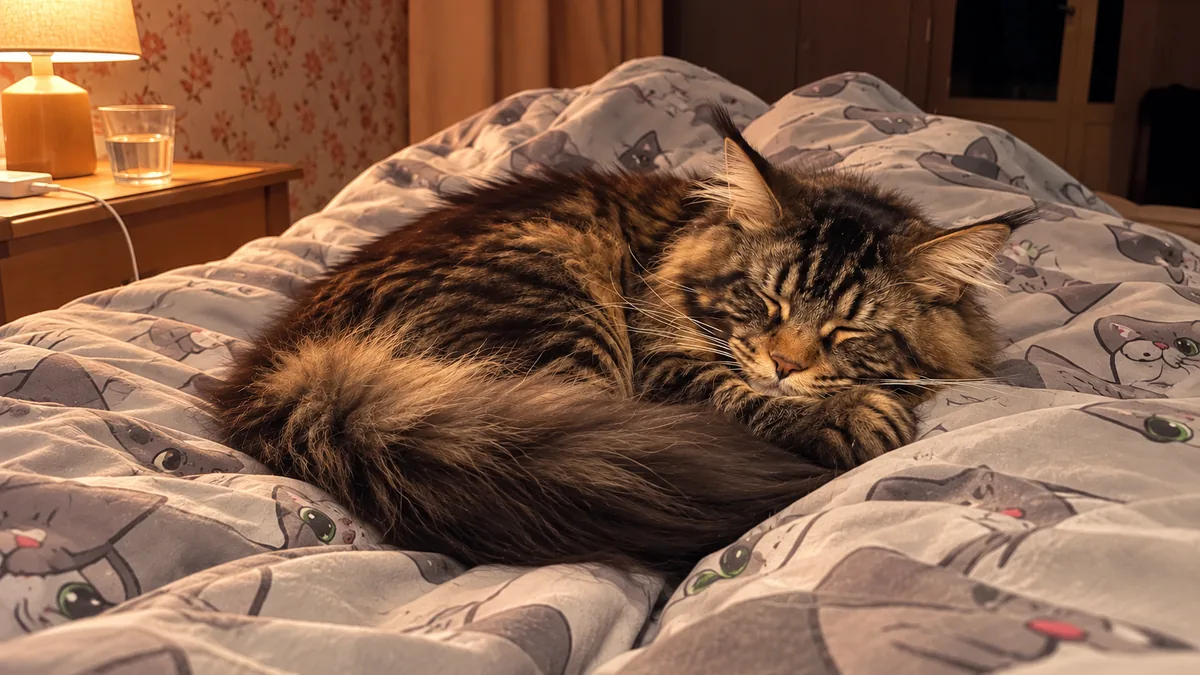
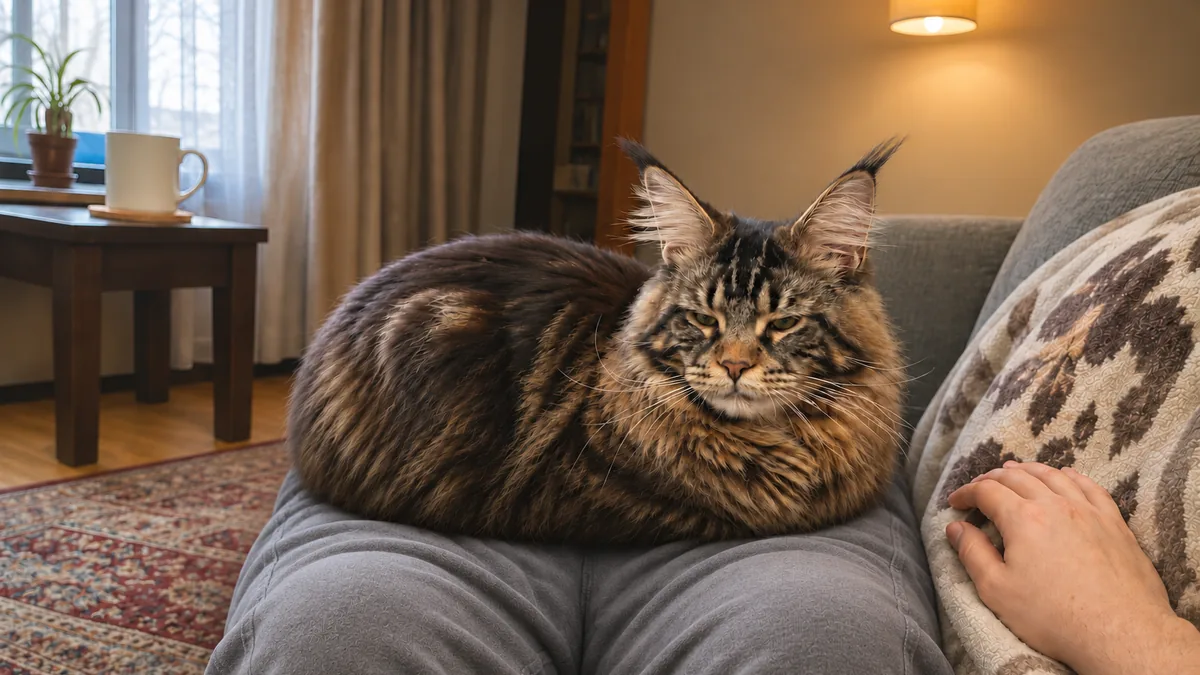
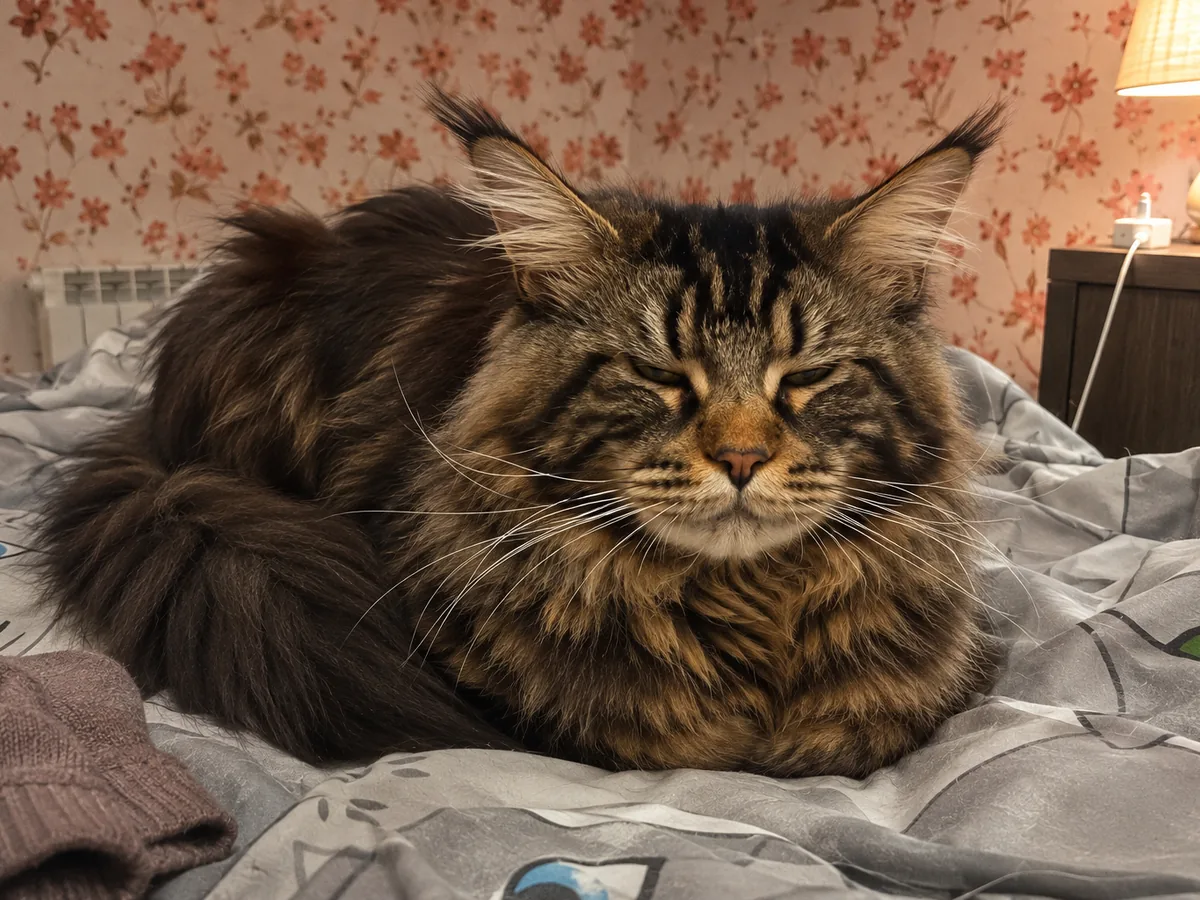
A cat loaf is a cat sitting with their paws and tail tucked completely under the body, like a loaf of bread. Cats Protection says it keeps the paws warm, it’s comfortable, and because the legs are tucked away, cats usually only sit like this when they feel completely safe. On you, add your warmth and your scent. A tense, hunched loaf with the head down, alongside other changes, is one to show your vet.
Why do cats loaf? What loafing means
A cat in a loaf sits with their paws and tail tucked completely beneath their body, so from the side they look a bit like a loaf of bread. Cats Protection, a UK cat charity, calls it a normal way for cats to sit and gives three reasons they like it.
The first is warmth. With the paws and tail underneath, your cat keeps them warm with their own body heat. The second is comfort: a cat who loafs every evening clearly finds it a comfy way to sit.
The third is safety. Cats usually like to be ready to run at a moment’s notice, even when they’re dozing. In a loaf the legs are folded away, which is no good for a quick getaway, so cats usually only sit like this when they feel completely safe.
Why does my cat loaf on me?
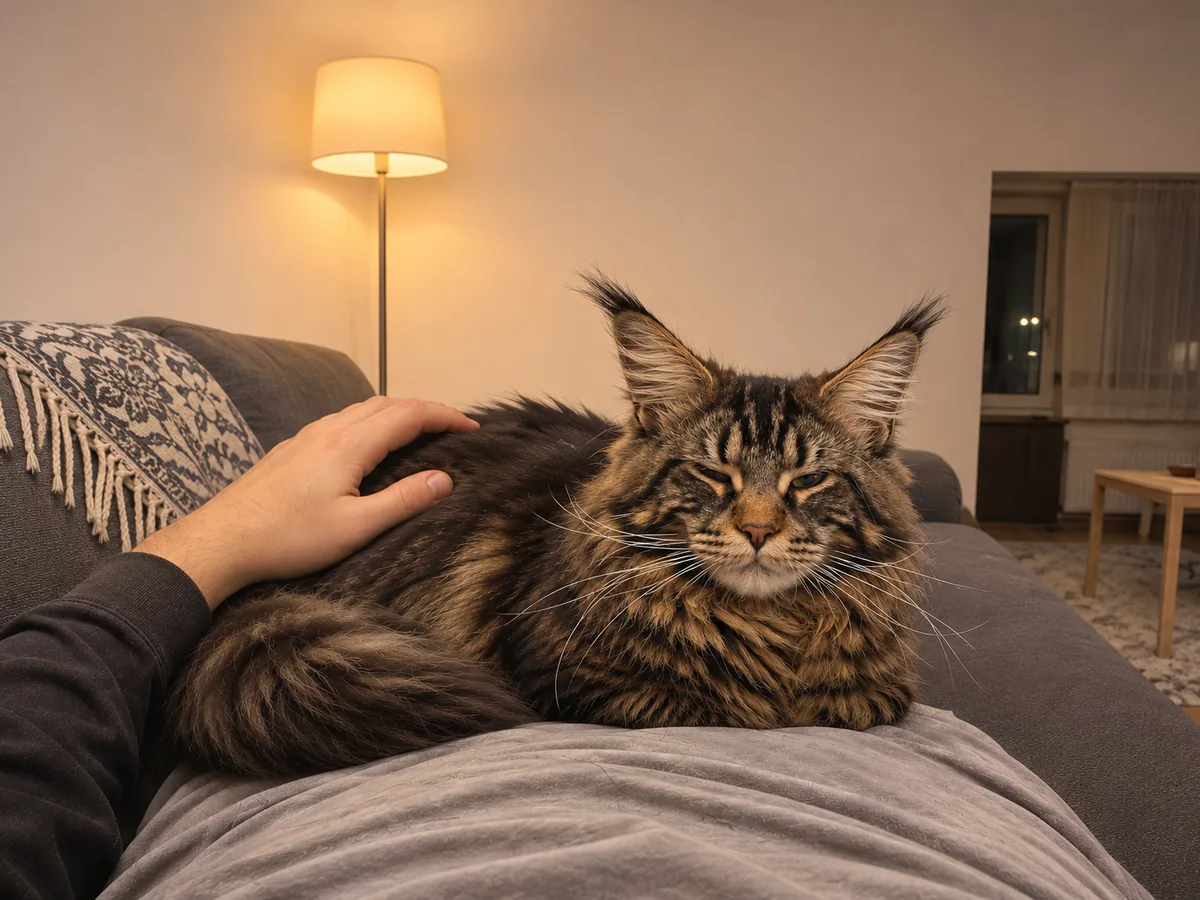
Everything that makes a loaf comfortable is better on you. Cats Protection says your body is like a big hot water bottle for your cat. Cats look for warm places to sit, and your lap is one of them, along with radiators, sunny spots and the seat you’ve just got up from.
Then there’s your smell. A cat who is bonded with you and knows you can be trusted may link your scent with safety. That’s why some loaf on your lap and others on your unwashed laundry. And a cat who folds their legs away on top of you isn’t planning a quick exit.
If your cat is happy to cuddle up to you, Cats Protection adds, it shows they trust you and see you as a friend.
Why do cats loaf on your chest?
Your chest is warm and your hands are right there. Cats Protection calls it a prime spot for strokes and fuss. A cat who likes fuss may choose to sit wherever they’re most likely to get your attention: your lap, the chair you’re sitting on, the laptop you’re using or the paper you’re reading.
If the chest loaf comes with half-closed eyes and soft muscles, enjoy it. When you have to get up, lift them gently onto the warm spot you’ve just left.
Why does my cat loaf next to me?
Plenty of cats prefer beside you to on top of you. Cats Protection says cats sleep on or beside their owners for warmth, comfort and social bonding, and where they settle depends on what feels comfortable and secure to them.
So a cat loafing a foot away from you on the sofa has simply picked the spot that feels right to them. Some cats enjoy being close to people and others like their own space. Choosing to sleep near you is no reliable measure of how happy your cat is.
Why does my cat loaf and stare at me?
Look at the eyes. If your cat is loafing with relaxed body language and gives you a slow blink (the eyes close gently and deliberately, then open again), Cats Protection says they’re probably showing that they’re comfortable and trust you. You can slow blink back.
The charity is careful here. The science on what a slow blink means is limited, and cats sometimes do it when stressed too. If the stare comes with a tense body, give your cat some space: getting close and making eye contact is likely to make a worried cat more unhappy.
What about a cat who loafs facing away from you? There isn’t a fixed meaning behind every pose. Cats change position with the temperature, their surroundings and what feels comfortable at that moment. Do check the ears, though. A cat whose eyes are shut but whose ears keep turning towards sounds may be “feigning sleep”, which can happen when they don’t feel completely secure.
Why does my cat loaf so much, and in random places?
Cats sleep a lot, about 12 to 18 hours a day according to Cats Protection, and the loaf is one of their usual positions. Warm spots tempt them even more in winter. The RSPCA says cats don’t typically like cold weather and look for cosy places to rest: blankets, sunlight, radiators, or you.
The odd spots follow the same rules. Cats feel safer off the ground, where they get a good view of what’s around them, so windowsills and shelves are favourites. They also feel safe hidden from view, which explains the cardboard box. And a new bag or box gets inspected first. Once your cat has decided it’s harmless, they might sit on it.
A relaxed loaf and a tense one
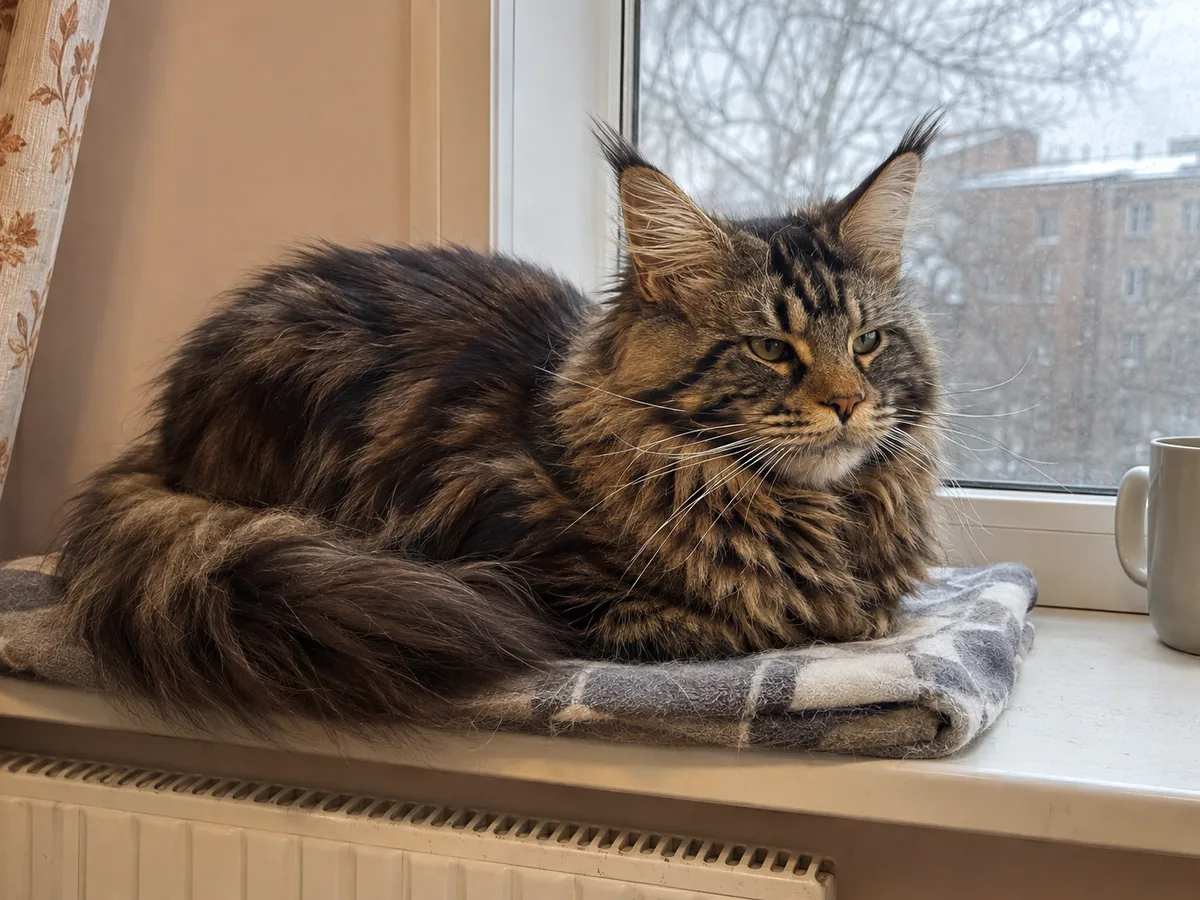
Not every loaf looks the same. A relaxed cat looks settled, with loose muscles and a comfortable head position. Cats Protection notes that a cat with their legs tucked underneath may be more relaxed than one resting with all four paws on the ground, who may be ready to move.
At a glance, a crouch can pass for a loaf. The difference is underneath: in a crouch the paw pads are on the floor. When you’re unsure, look at the whole cat. Is the body loose, or tense and hunched? Are the eyes soft, or narrowed in a tense face? Is the tail resting loosely, or held tight against the body? Is the breathing quiet and regular?
Cat loaf position with head down
Some cats occasionally doze in a loaf with their head lowered simply because it’s comfortable. Cats Protection says sleeping with the head down isn’t enough on its own to show that a cat is unwell.
What counts is what comes with it. A lowered head together with tense muscles, changed breathing or another change from your cat’s usual posture could suggest discomfort. If it comes with a poor appetite, lethargy or difficulty moving, call your vet for advice.
Cat loaf position: sick or in pain?
There’s no single “sick cat position”, and posture alone can’t tell you whether a cat is unwell or in pain. A change from what’s normal for your cat matters more. International Cat Care says a change in a cat’s normal behaviour tends to be the most significant sign of pain, and cats are very good at hiding discomfort.
One of the signs it lists is sleeping or resting in a hunched-up position instead of curled up and relaxed. Painful cats tend not to curl up, and they find it hard to settle to sleep. The face changes too: narrowed eyes, ears held further back, a tense muzzle. Vets also look at head position when they score pain on the Feline Grimace Scale. Cats Protection describes crouching in a hunched-up position with squinty eyes, and notes that some cats purr when they’re in pain, so a purr doesn’t prove all is well. A cat with arthritis may also find it harder to curl up tightly.
See your vet if a sudden or lasting change in how your cat sits or sleeps comes with any of these: eating less, drinking more or less than usual, hiding, being less active, reluctance to jump or climb, stiffness or trouble getting comfortable, changes in grooming or litter tray habits, weight loss, or changes in breathing. If your cat is struggling to breathe or breathing with their mouth open, they need a vet urgently.
Give your cat good places to loaf
Cats Protection says cats often prefer to sleep somewhere warm, comfortable, high up and safe. A folded blanket on the windowsill above the radiator, a box on a shelf or a soft bed on the back of the sofa covers most of that.
If your cat keeps loafing on the laptop you’re using, it may be the warmth, or they may want your attention. Give them that attention when it suits you: a chin rub, a game, or a few minutes teaching a trick. A Lapka programme plans those short sessions and adjusts them after each one.
What a week of loaf notes can look like
Sun, evening: loafs on my chest on the sofa for about forty minutes. Eyes half closed, muscles soft, slow blinks when I look at them.
Wed: loafs on the windowsill above the radiator most of the afternoon, then on the laundry basket.
Fri, morning: loafs by the food bowl with their head low and leaves half of breakfast. Breathing looks normal. Booked a vet check.
Notes like these show where your cat usually loafs and how they look doing it. When something changes, as on Friday, you can see it, and your vet gets a clear picture of what’s different.
Questions people ask
Is a cat loaf a sign of a happy cat?
Usually it’s a sign of a relaxed, comfortable one. Cats Protection says the loaf is commonly seen when cats are relaxed and comfortable, and because the legs are tucked away, cats usually only sit like this when they feel completely safe. Check that the muscles look loose and the head sits comfortably.
What’s the difference between a cat loaf and a crouch?
In a loaf the paws and tail are tucked completely under the body. In a crouch the paw pads stay on the floor, so the cat may be ready to move. Crouching hunched up with squinty eyes is one of the signs of pain Cats Protection lists.
Why does my cat loaf when it’s cold?
For warmth. Tucking the paws and tail underneath keeps them warm with your cat’s own body heat. Curling into a ball with the tail wrapped round may also help a cat save heat when the weather is cold. The RSPCA notes that cats don’t typically like cold weather and look for cosy places, such as blankets, radiators or you.
Does my cat loaf on me because they love me?
It shows they feel safe with you. Cats Protection says a cat who is happy to cuddle up to you trusts you and sees you as a friend. But a cat who loafs across the room isn’t unhappy: some cats like their own space, and sleeping near you is no reliable measure of happiness.
Can a cat loaf when they’re in pain?
It can. Cats Protection says that if a loafing cat looks tense, keeps their head lowered or can’t settle, it’s worth asking what else has changed in their behaviour or health. A cat in pain may rest hunched up and struggle to settle, and some even purr. What matters is the change: a new hunched loaf together with eating less, hiding, stiffness or changed breathing is a reason to see your vet. Struggling to breathe, or breathing with an open mouth, needs a vet urgently.
Sources and further reading
- Cats Protection — Why do cats like sitting on things?
- Cats Protection — What do cat sleeping positions mean?
- Cats Protection — Why does my cat sleep on me?
- Cats Protection — Why do cats slow blink?
- Cats Protection — Cats and sleep
- Cats Protection — Signs of pain
- International Cat Care — Recognising and managing acute pain in cats (PDF)
- RSPCA — Cold weather care for cats