Lapka
Lapka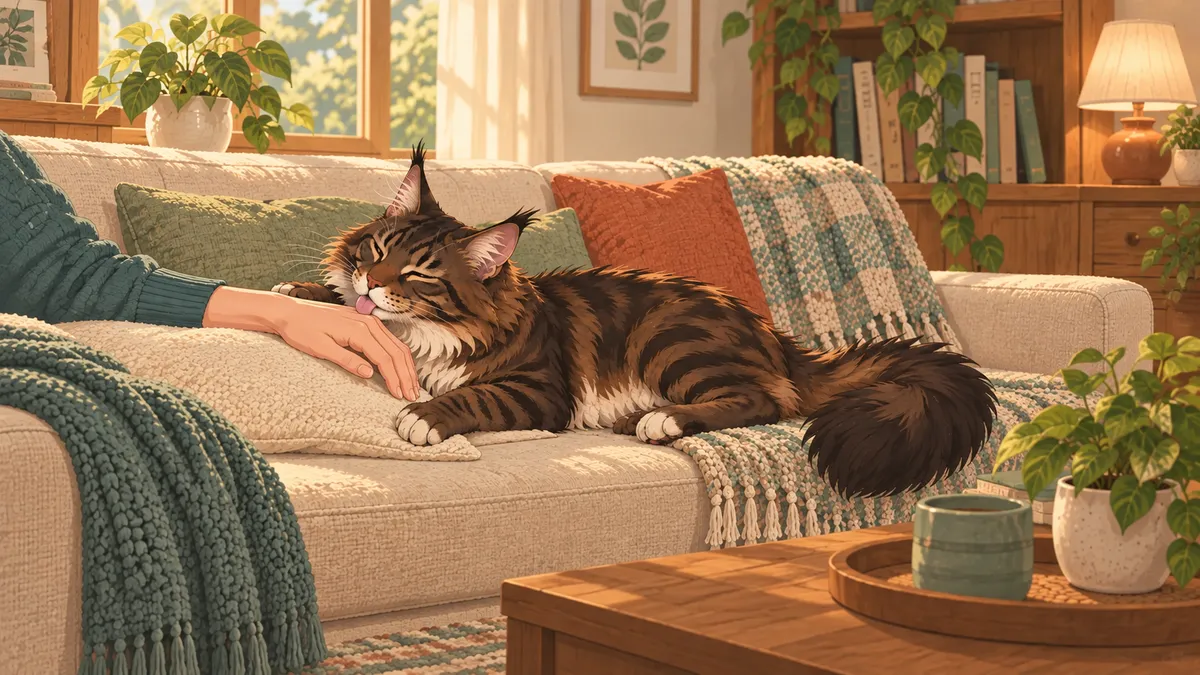
The short answer
Cats lick people mostly out of affection: it’s the social grooming that bonded cats share, it marks you with their scent, and it feels good to them. A lick followed by a nip most likely means your cat is overstimulated, so stop and give them space. Excessive licking, of you or of themselves, can be a sign of stress or a health problem, so talk to your vet.
Mostly, it’s affection
Most of the reasons a cat licks you are signs of affection; it’s probably not because you taste good or need a wash. Cats in the same social group may groom each other, which is called allogrooming and helps them bond, and it can happen across species. A cat who licks you while you’re cuddled up may simply be showing affection.
Licking also shares scent: it makes a companion smell familiar, so your cat may be marking you as safe and part of the family. And it releases endorphins, the brain’s “feel good” hormones, which may be why some cats lick at every opportunity, even if that means your hand instead of their own fur.
Why it feels like sandpaper
A cat’s tongue is covered in tiny backward-facing spines called papillae, made of keratin, the same tough protein as your nails and hair. Pulled through fur, they work like a comb, detangling it and clearing away loose hair and dirt. On your skin, the same spines make even a gentle lick feel like sandpaper.
A lick can be an invitation
Sometimes a lick is a request. When your cat rubs against you, licks your arm or leg or curls up beside you, it’s a good moment for some stroking. Cats also rub against their people to ask for attention.
Attention is a reward, and behaviour that earns it can be reinforced without anyone meaning to: if licking always gets a stroke or a chat, it may become your cat’s favourite way to ask. For less of it, give your attention when your cat is calm, in short, regular moments.
When a lick turns into a nip
If your cat licks and then bites, or bites and then licks, they are most likely overstimulated: the licking is the friendly part, and the bite probably means they are overexcited or feeling playful. Even a cat who enjoys being stroked may bite to stop it when it goes on too long, too fast, too firmly or in the wrong spot.
Some cats also lick while being handled when they’d rather not be, and a bite or scratch can quickly follow if the handling continues. Biting in a game, with hands and ankles as prey, is a different pattern, covered in our guide to play biting.
Spot the signals before the bite
There is usually a warning first: a tail that starts to twitch, flick or lash, ears flattening or swivelling, pupils widening, restlessness, or a quick turn of the head towards your hand. A sudden groom, a head shake or a nose lick can also mean your cat is uncomfortable.
When you see a signal, simply stop. Keep strokes short and slow, on the cheeks, head and chin, away from the belly and the base of the tail. Pause after about three seconds: if your cat rubs against your hand for more, carry on; if not, they’ve probably had enough for now.
If the licking is too much for you
Never push your cat away or punish them for licking: they won’t understand what they did wrong and will likely become stressed, which can lead to more problem behaviour. Telling off and water sprays can also make a cat fearful of people.
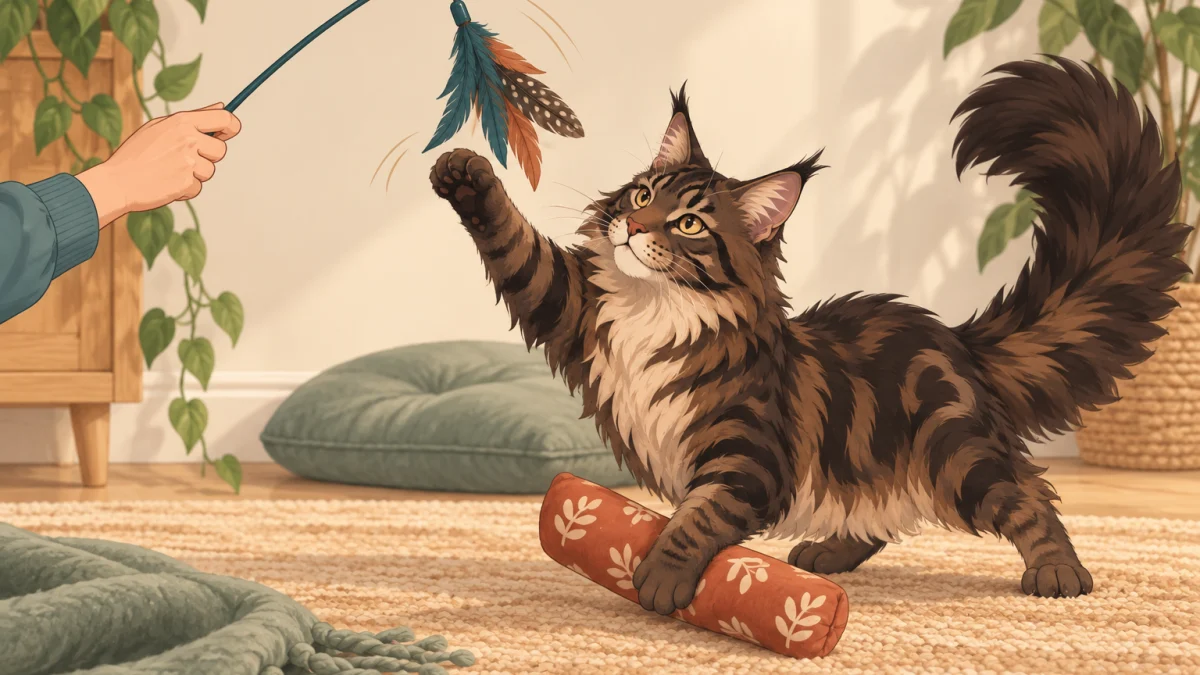
Instead, offer something else your cat enjoys, like a few strokes with a brush or a game with a favourite toy: you keep the bonding and spare your skin. If licking tends to slide into nibbling during cuddles, Lapka’s Comfortable petting programme practises the calm version in small steps: one invited stroke, a pause, then waiting for your cat to ask again.
Creams, hair products and a licking cat
What’s on your skin matters. Some creams for sore joints and muscles contain drugs such as diclofenac or flurbiprofen, which can be toxic to pets, especially cats, and even a lick of recently treated skin counts as an exposure.
Hair-loss treatments containing minoxidil are a potentially fatal risk for cats, even in very small amounts. If you use one, let it dry completely, wash your hands, and keep your cat away from the treated area and your pillow. If your cat may have licked either kind of product, call your vet straight away.
When your cat licks themselves too much
Cats typically spend 30 to 50 per cent of their day grooming, so a problem is easy to miss. Grooming to the point of thinning fur, bald patches or sore skin can point to an underlying problem, such as itchy skin from a flea allergy, pain or stress. Check the belly, the insides of the back legs and the flanks.
You can check for fleas, lice and matted fur yourself; beyond that, it’s a job for your vet. Stress often plays a part: a move, a new or lost pet or even a change of routine can make a cat anxious.
When to call your vet
Contact your vet as soon as possible if you notice over-grooming, bald patches, sore skin, or any other sign of ill health or unusual behaviour. Book a check, too, if your cat starts licking you excessively, which can be a sign of stress or anxiety, or if biting is new or unusual for them, as it can be a reaction to pain.
A licking note from one evening
Sofa, 21:30, stroking her cheeks. Licked my hand for about a minute, purring. Then: tail tip flicking, ears turning sideways, a quick turn of the head, a light nip. I stopped and rested my hand in my lap; she groomed her shoulder, then came back and rubbed my hand. Next time: pause after a few strokes and wait for her to ask.
Note what happened just before the nip, not only the nip itself; a few evenings of notes show how much stroking your cat enjoys before the signals start.
Questions people ask
Why does my cat lick me so much?
Licking releases feel-good endorphins and is how bonded cats share grooming and scent, so an affectionate cat may lick at every opportunity, and attention can keep it going. If your cat suddenly licks you far more than usual, it can be a sign of stress or anxiety, so ask your vet.
Why does my cat lick me and then bite me?
Most likely because they are overstimulated: the licking is friendly, and the bite probably means the excitement has tipped over. Stop at the first warning sign, such as a flicking tail or flattening ears, and leave your cat to calm down. If biting is new for your cat, talk to your vet, as it can be a reaction to pain.
Why does my cat lick my hair?
Licking your hair is still licking you, and most of the reasons cats lick people are signs of affection. If you use a hair-loss treatment with minoxidil, keep your cat away from the treated area and your pillow: even tiny exposures can be life-threatening for cats.
Is it OK to let my cat lick me?
Usually, yes: a casual lick is nothing to worry about. Avoid it straight after putting on medicated creams or hair-loss treatments, which can poison cats. If the licking bothers you, offer a brush or a toy instead of pushing your cat away or telling them off.
Sources and further reading
- Cats Protection — Why does my cat lick me?
- Cats Protection — Why does my cat bite me?
- Cats Protection — Why do cats have rough tongues?
- International Cat Care — Why do cats..?
- AAFP — Client Education: How to Show Your Cat Affection
- AAFP — Setting Up the Environment for Success
- AAFP — Training Techniques for Addressing Undesirable Behaviors
- Battersea — How to stroke a cat and interact with them
- ASPCA — Aggression in Cats
- Cornell Feline Health Center — Feline Behavior Problems: Aggression
- International Cat Care — Over-grooming in cats
- Cornell Feline Health Center — Cats that Lick Too Much
- ASPCA — Topical Creams Can Pose Danger to Pets
- ASPCA — Minoxidil and Pets: What You Need to Know