Lapka
Lapka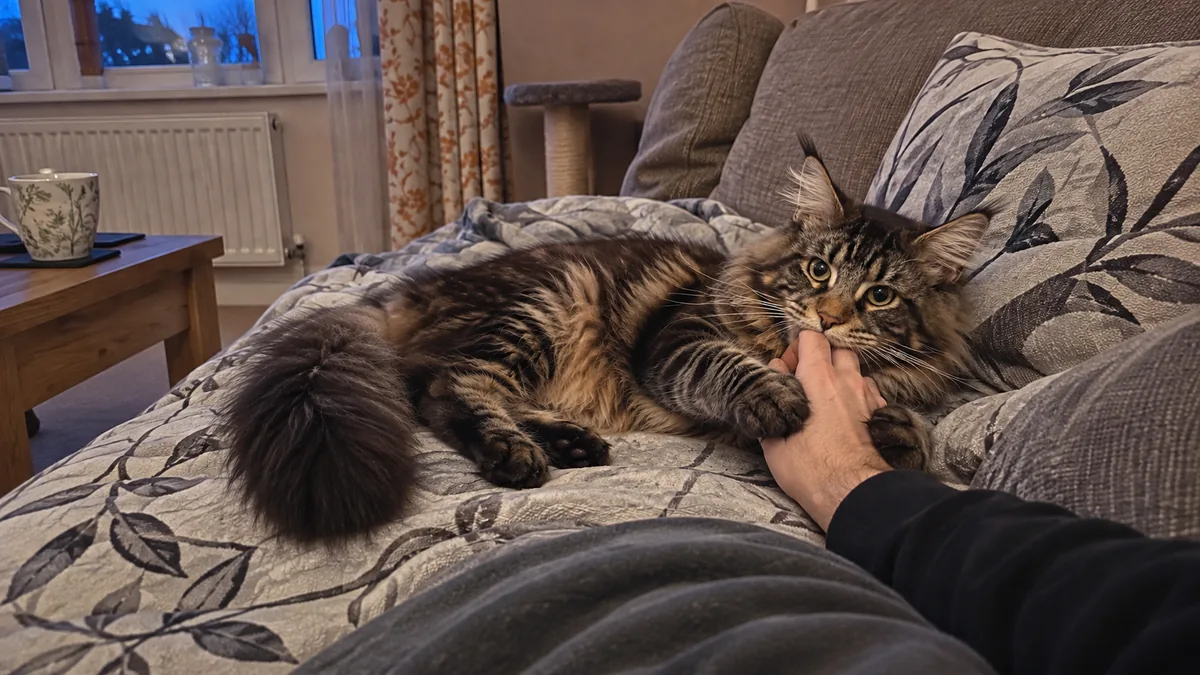
The short answer
A cat who licks you and then bites is most likely overstimulated. The licking is the friendly part: it’s how bonded cats groom each other and share scent. The bite usually means the stroking has gone on too long, or your cat is overexcited and ready to play. Stop at the first warning sign and let them settle. If biting is new for your cat, see your vet, as it can be a sign of pain.
Why your cat licks you, then bites
Cats Protection puts it simply: if your cat licks you then bites you, or bites you then licks you, it’s likely a sign they are overstimulated. Licking people or other cats is usually a way to bond, share scent and feel good. When biting comes with it, your cat is probably overexcited or feeling playful.
There’s a second version. Some cats lick people while they’re being held or handled and would rather not be. If the handling carries on, a bite or a scratch can follow quickly.
Love bites: the gentle nip in a cuddle
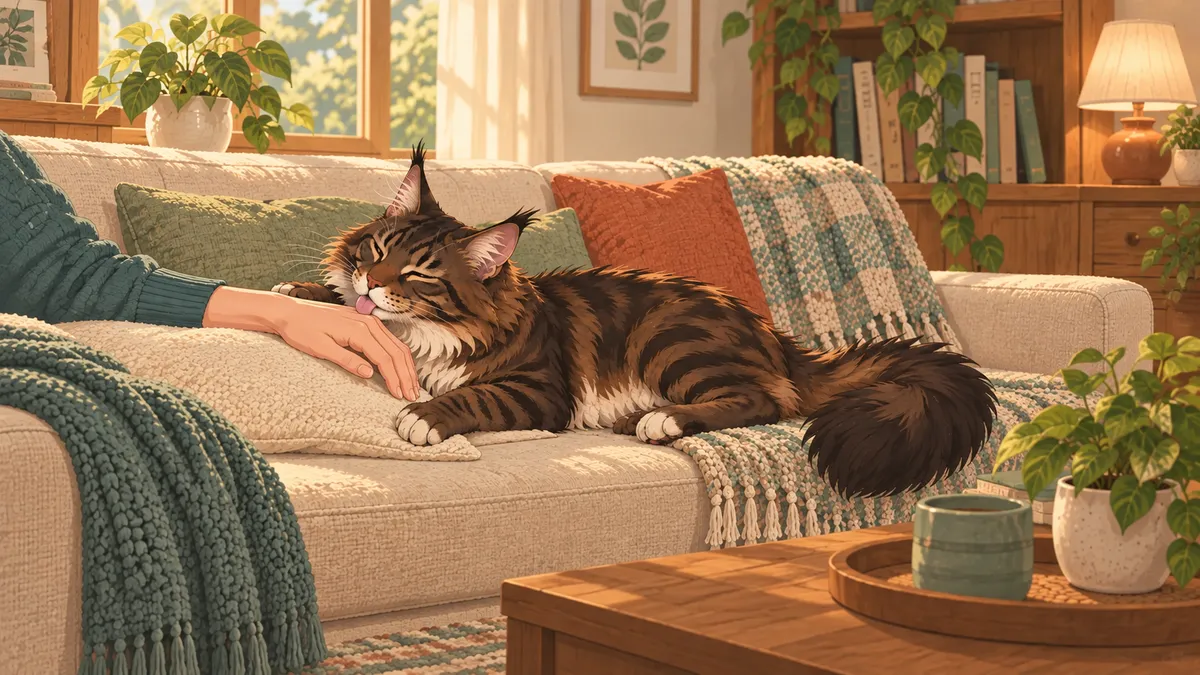
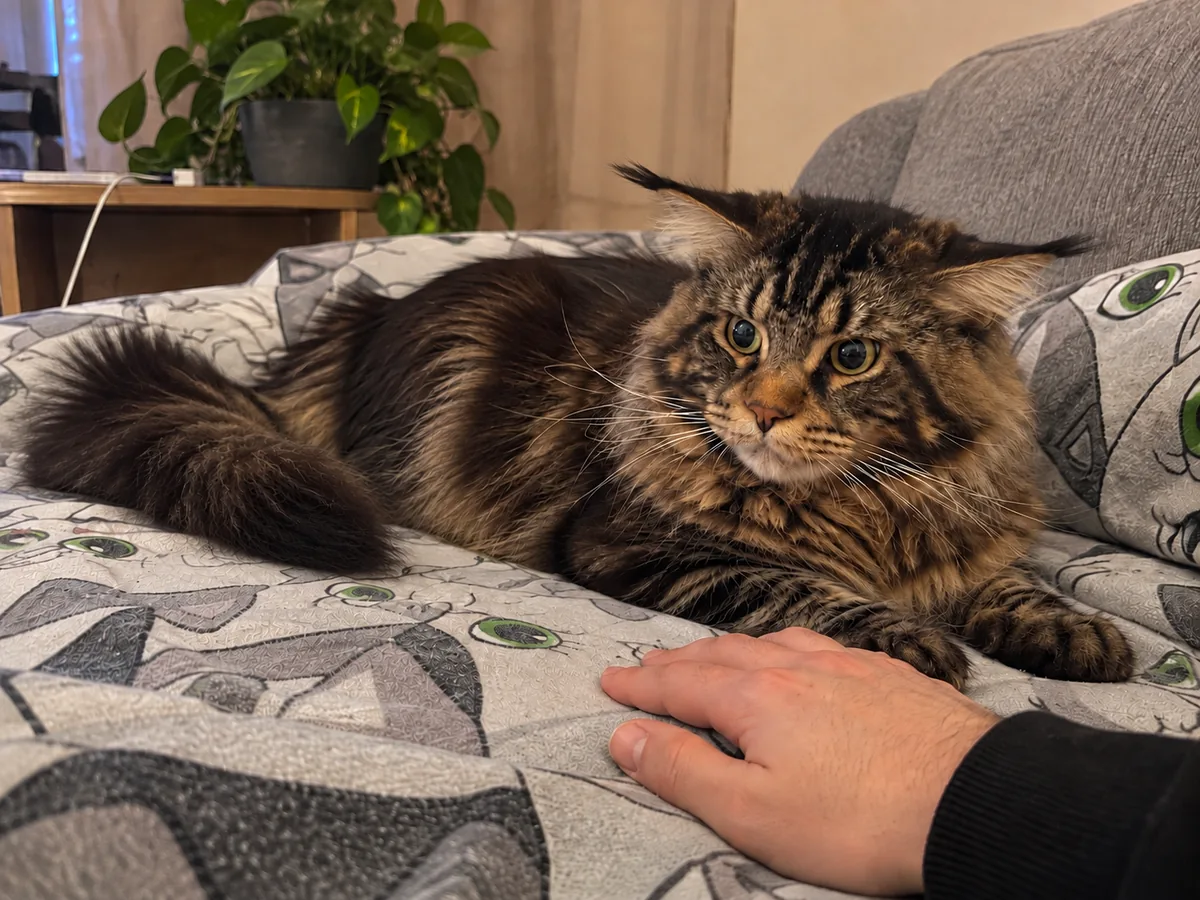
Owners often call the soft nip in the middle of a cuddle a love bite. The licking before it really is friendly. Cats in the same social group groom each other, and it can happen across species, so a cat licking you on the sofa may be showing affection.
The nip means something else. The ASPCA describes a cat who suddenly feels irritated by being petted, nips or lightly bites the person, then jumps down and runs off. So treat a love bite as an early stop sign, even a gentle one, and finish the next cuddle a little sooner.
Too much stroking: overstimulation
Stroking that starts out pleasant can turn unpleasant when it goes on and on. The ASPCA’s example: imagine someone rubbing one spot on your back, over and over. Repetitive contact can cause arousal, excitement, pain and even static electricity in a cat’s fur.
Cornell Feline Health Center gives two likely reasons for biting during petting: overstimulation, and the cat trying to control when the petting ends. How much is too much depends on the cat. Some will sit on your lap for hours; others want a minute or two and then get on with their day.
The signs before the bite
There is usually a warning. Watch for a quick turn of the head towards your hand, a tail that twitches, flicks or lashes, ears flattening or turning back and forth, restlessness and widening pupils.
Smaller signs count too. Battersea says an uncomfortable cat may tense up, move away, suddenly groom themselves, shake their head, rotate their ears or lick their nose.
Purring doesn’t mean all is well. Loud purring while you stroke or play shows your cat is stimulated, and an overstimulated cat may suddenly grab you and bite.
When the licking is part of a game
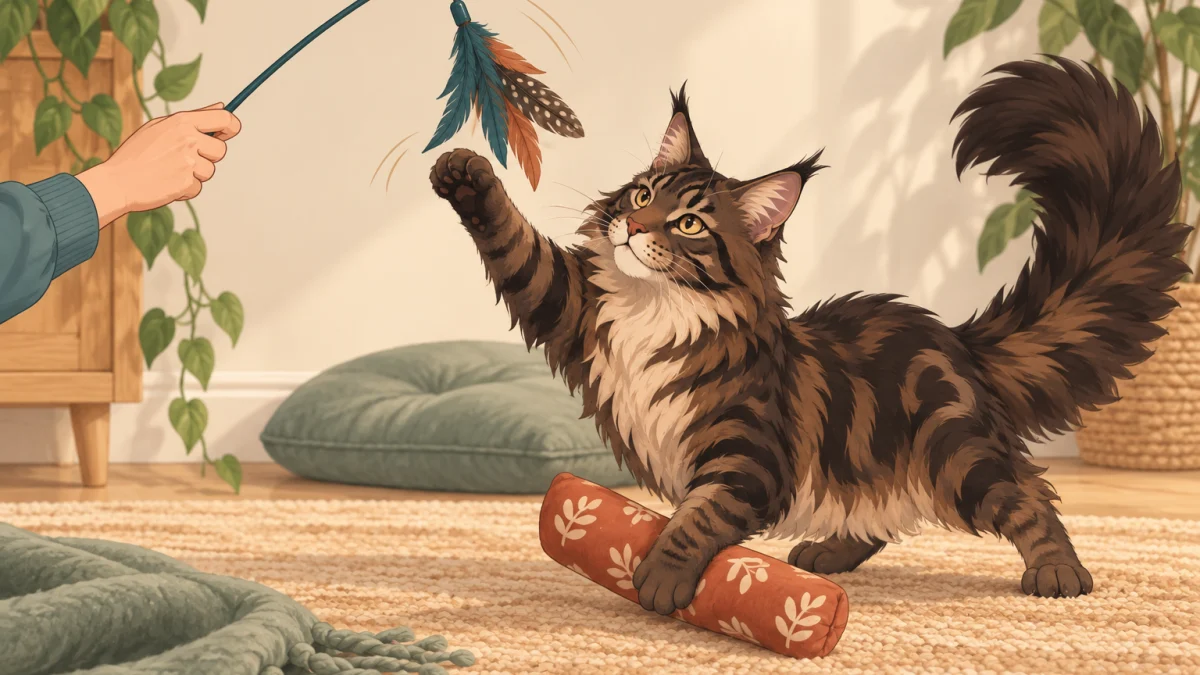
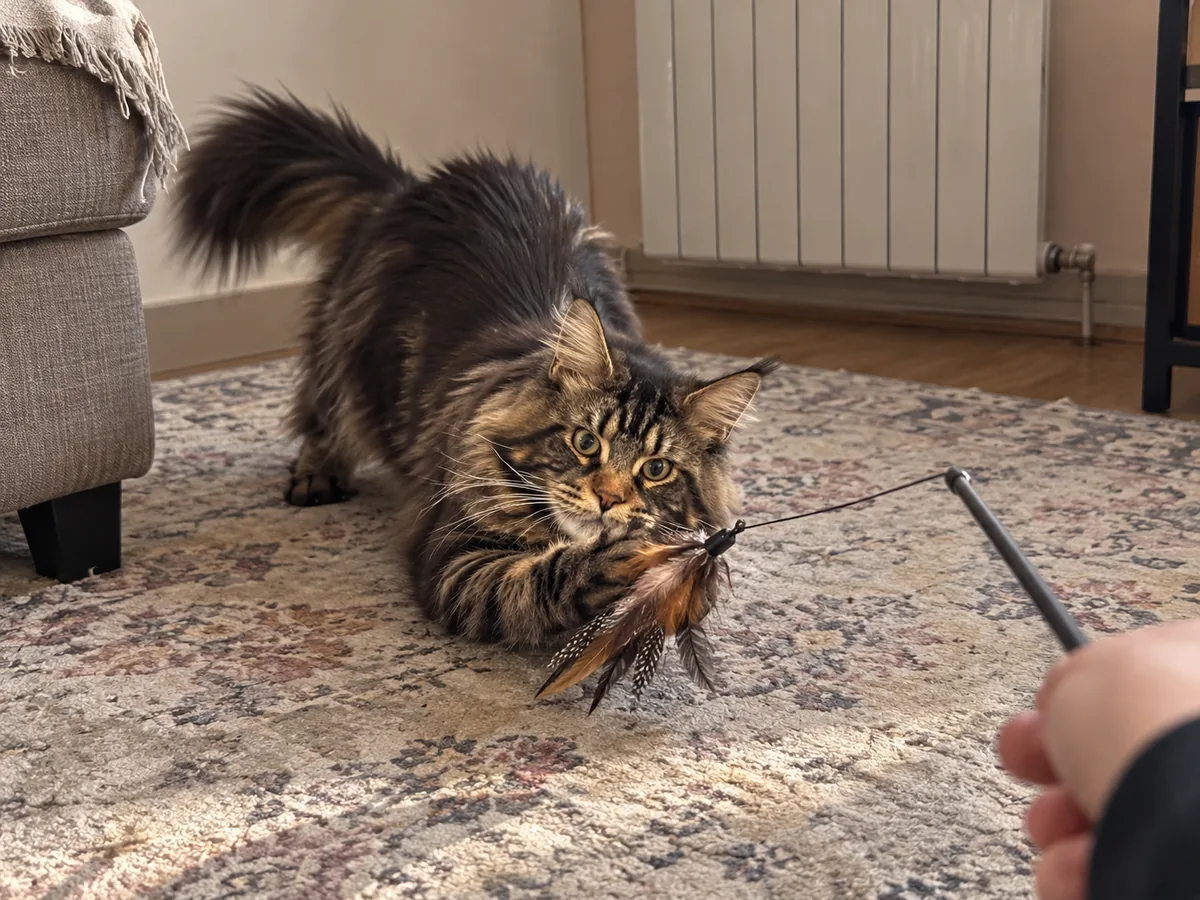
Some lick-and-bite moments are play. Cats are natural hunters, and a cat with nothing to catch may pounce on you instead. Hugging your arm and biting it is a classic hunting move.
If you try to stroke a cat in the middle of a game, they may mistake your hand for a toy. Keep your hands out of play and give the energy a target: a fishing-rod toy, a kicker toy or a ping-pong ball. Hold the toy well away from your fingers, so the bites land on it and not on you.
Rough play is common in kittens and young cats under two years old, so a young cat may do this more often.
What to do the moment it happens
Stop. When your cat signals that they want the stroking to end, the ASPCA’s advice is simply to stop. Stay still and calm, and slowly move your hand away. Sudden movements and loud noises can wind your cat up further and make another bite more likely.
Then give them space and don’t follow. You can keep a hand held out in case they come back for more. If a bite breaks the skin, wash it with lukewarm water and soap, dry it gently and cover it. Seek medical help if it becomes infected or doesn’t heal.
How to stroke so it ends before the bite
Stroke where most cats like it: the cheeks, chin and top of the head. Leave the belly and the base of the tail alone, as most cats find them too sensitive.
Try Battersea’s three-second rule. Stroke for three seconds, then pause. If your cat rubs against you for more, carry on. If not, they’ve probably had enough for now. Short, frequent sessions of about two minutes suit most cats.
Cornell suggests a treat for accepting brief, light stroking without any sign of biting, then building up the time slowly. At any sign, stop and give your cat a break with no touching. Keep an eye on children, who often miss the early signals.
What never to do
Don’t punish a bite: no shouting, pushing your cat away or spraying water. Your cat won’t understand what they did wrong and will likely get stressed. The AAFP says punishment can lead to fear of people and more biting or scratching, and is never appropriate.
Any physical punishment can make a cat more fearful and the biting worse. In the middle of a rough game, even touching your cat may be taken as more play. Walk away instead, so a game that gets too rough simply ends.
When biting means pain: see your vet
If biting is new for your cat, speak to your vet: it may be a sign of pain. A cat in pain may bite to avoid being touched or moved. A cat with arthritis, for example, may resent having their joints touched, and dental disease can also make a cat aggressive.
Book a check soon if the bites come with other changes: less patience with people, hiding or sleeping more than usual, eating or drinking less, reluctance to jump down from furniture, crouching hunched with squinty eyes, or crying out when moving or using the litter tray. Some cats even purr when they’re in pain.
A note from one evening on the sofa
Sofa, 20:45. He climbed onto my lap and licked my hand, purring loudly. After a minute of stroking his back: ears turning sideways, tail tip flicking, a quick turn of the head, then a soft bite. I stopped and let my hand rest. He groomed his shoulder and jumped down. Next evening: cheeks only, a pause every few strokes. No bite.
A note like this shows how many strokes your cat enjoys before the signals start, so next time you can stop one stroke earlier.
Questions people ask
Why does my cat lick me then bite me while purring?
Loud purring during stroking means your cat is stimulated, and it often comes with licking. If the stimulation tips over, an overstimulated cat may suddenly grab you and bite. Watch the ears and tail rather than listening for the purr.
Why does my cat lick me then gently bite me?
A gentle bite after a lick usually means your cat is overexcited or has had enough stroking. The ASPCA describes cats who nip or lightly bite, then jump down and leave. Stop and give them space, and end the next cuddle a little sooner.
Why does my cat bite me, then lick me?
Cats Protection reads it the same way as licking then biting: your cat is likely overstimulated. The licking is the friendly, bonding part. Give your cat a break, and steer the excitement towards a toy.
Why does my cat lick me then bite me hard?
A hard bite usually follows warning signs that were missed, so next time watch the tail, ears and pupils. If hard biting is new or unusual for your cat, see your vet, as pain can cause it. Wash any bite that breaks the skin.
Why does my cat lick me then lick herself?
Battersea lists suddenly grooming themselves as one of the signs that a cat is uncomfortable with how you’re interacting. Take it as a cue to pause, and let your cat decide whether to come back for more.
Sources and further reading
- Cats Protection — Why does my cat bite me?
- Cats Protection — Why does my cat lick me?
- Cats Protection — How to pet a cat
- Cats Protection — Why does my cat purr?
- Cats Protection — Signs of pain
- Battersea — How to stroke a cat and interact with them
- ASPCA — Aggression in Cats
- Cornell Feline Health Center — Feline Behavior Problems: Aggression
- AAFP — Training Techniques for Addressing Undesirable Behaviors