Lapka
The short answer
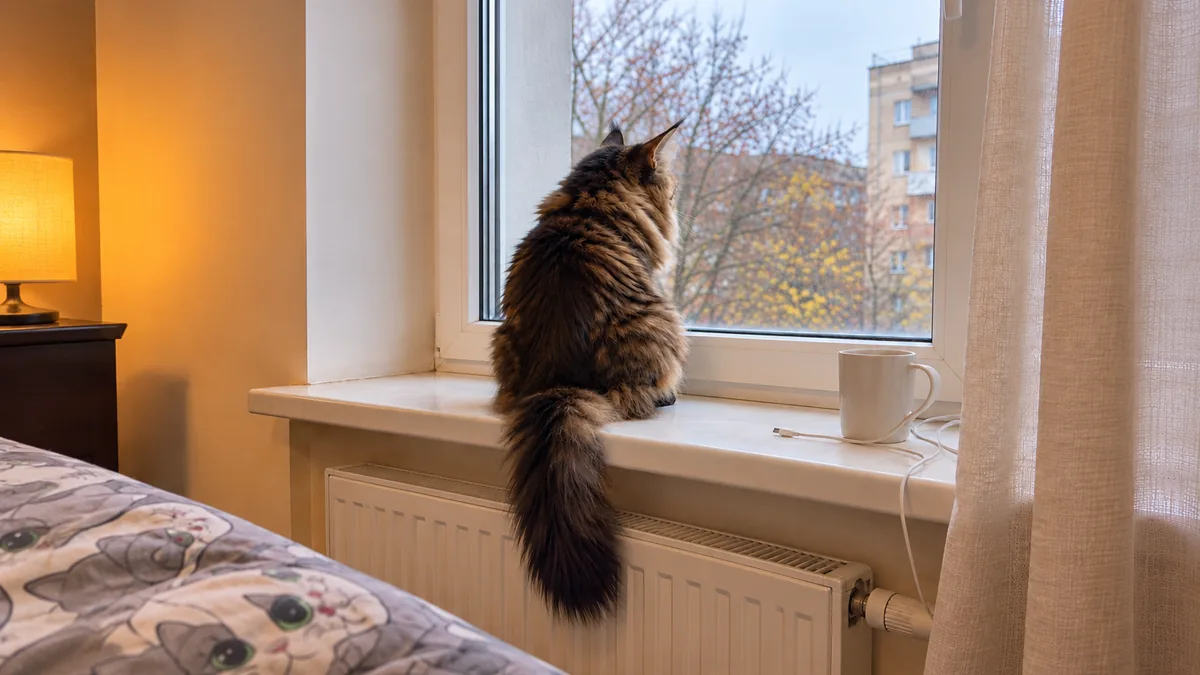
Your cat probably knows their name and hears you. In a 2019 study from Japan, cats told their own names apart from other words, even when a stranger said them. In these studies cats answered with their ears and head, not a meow, so an ear turned your way is a reply. Whether they come can depend on what the name has meant before: food and play, or a trip to the vet.
Do cats know their names?
They can tell it from other words. Researchers in Japan ran four experiments with 16, 34, 29 and 33 cats, most of them in their own homes and some in a cat café. The owner stayed out of the cat’s sight, and a speaker hidden from the cat played four ordinary words, 15 seconds apart, then the cat’s own name. In one experiment the four were the names of other cats in the home.
The researchers filmed each cat and scored what it did: moved its ears, moved its head, meowed, moved its tail or got up and walked. Not every cat lost interest over the four words. On average, those who did perked up again at their own name.
In the first three experiments the voice was the owner’s, recorded beforehand. In the last one it belonged to one of two women the cats didn’t know, and the cats still picked out their own names from ordinary words. Owners were asked to say the name the way they normally call their cat, nickname included, so the name tested was the one each cat really hears.
There was one exception. Cats from the café told their own names apart from ordinary words as well as house cats did, but not from the names of the other cats living there.
Can your cat tell your voice from a stranger’s?
Yes. In an earlier study by two of the same researchers, published in 2013, 20 cats heard their name called by three strangers in turn, then by their owner, who stayed out of sight. By the third stranger, 15 of the 20 were reacting less than to the first, and those 15 perked up again at their owner’s voice. The researchers concluded that cats can tell people apart by voice alone.
Your tone counts too. Most people talk to their pets, and the way we do it has a lot in common with how we talk to small children. A French study of 16 cats found they could tell this kind of speech, aimed at them, from speech aimed at adults, but only when their owner was talking. With a stranger’s voice, they didn’t seem to notice the difference.
Why does my cat move her ears when I talk to her?
Because that’s how cats answer. Both Japanese studies looked at whether the cats turned their ears and head towards the voice, or meowed and moved their tail. The cats answered with their ears and heads. In the 2013 study that didn’t change even when the voice was their owner’s.
The researchers say the test itself may be part of the reason. In everyday life, when a call comes with food or with something stressful, a cat may react with more than an ear. Still, an ear swinging your way means your cat has heard you.
Look at how the ears sit, too. Cats Protection lists ears forward and relaxed among the signs of a happy cat, and Battersea adds that a happy cat’s ears may still move in response to sounds. Ears to the side or back are on Cats Protection’s list of signs of an unhappy cat, along with wide pupils and puffed-up fur. Our guide to cat body language goes through the other signals.
Why does my cat ignore me when I call her name?
Cats Protection puts it plainly: to your cat, the name you chose so carefully is simply a sound you make. A cat who comes running when they hear it has probably learned that the sound means something good. Their example is calling your cat just before you put down a bowl of food.
It can work the other way. The 2019 researchers write that a cat’s name can come to mean food, a stroke or a game, or something unpleasant, such as a trip to the vet or a bath. If the name mostly comes just before the carrier does, that may be what it means to your cat.
In a home with several cats, people sometimes call all the names at once. The researchers suggest a cat may then link the other cats’ names with a reward as well as their own.
Do cats ignore you on purpose?
It can feel that way, but Cats Protection says not all cats respond straight away, some never get it at all, and it’s not their fault. Your cat may not understand what you want, or may not be interested in what you’re offering.
So never shout at or punish a cat who doesn’t come. The RSPCA says cats are very unlikely to understand it and can become more nervous or scared.
Is my cat deaf or ignoring me?
If not even an ear turns, it’s a fair question. Cats Protection says some cats are born deaf and others slowly lose their hearing as they get older, while a sudden loss is usually down to illness or injury. Deaf cats usually make up for it so well with their other senses that it can be hard for owners even to tell.
The signs it lists: not responding when spoken to or called, being easily startled, no longer minding the vacuum cleaner or other loud appliances, seeming dizzy or disoriented, shaking the head or clawing at an ear, and pus, discharge or a bad smell from the ear. Some deaf cats also meow more often and more loudly, while others go completely quiet. If you notice any of these, see your vet, who can find out whether it can be treated. Some deafness can be treated, such as when wax, ear mites or an infection stop sound getting in.
There’s also selective hearing. Cats Protection’s example is a cat who ignores you when called but reacts quickly to the rattle of the biscuit box.
Why doesn’t my cat respond to pspsps?
Cats Protection says that saying “puss puss”, or making any noise at your cat with a strong “ss” in it, puts cats off. To them it sounds like hissing, so they think you’re being unfriendly.
If pspsps gets you an ear and nothing more, try your cat’s name in a happy voice instead, and give it a meaning with the game below.
How to teach your cat to respond to their name
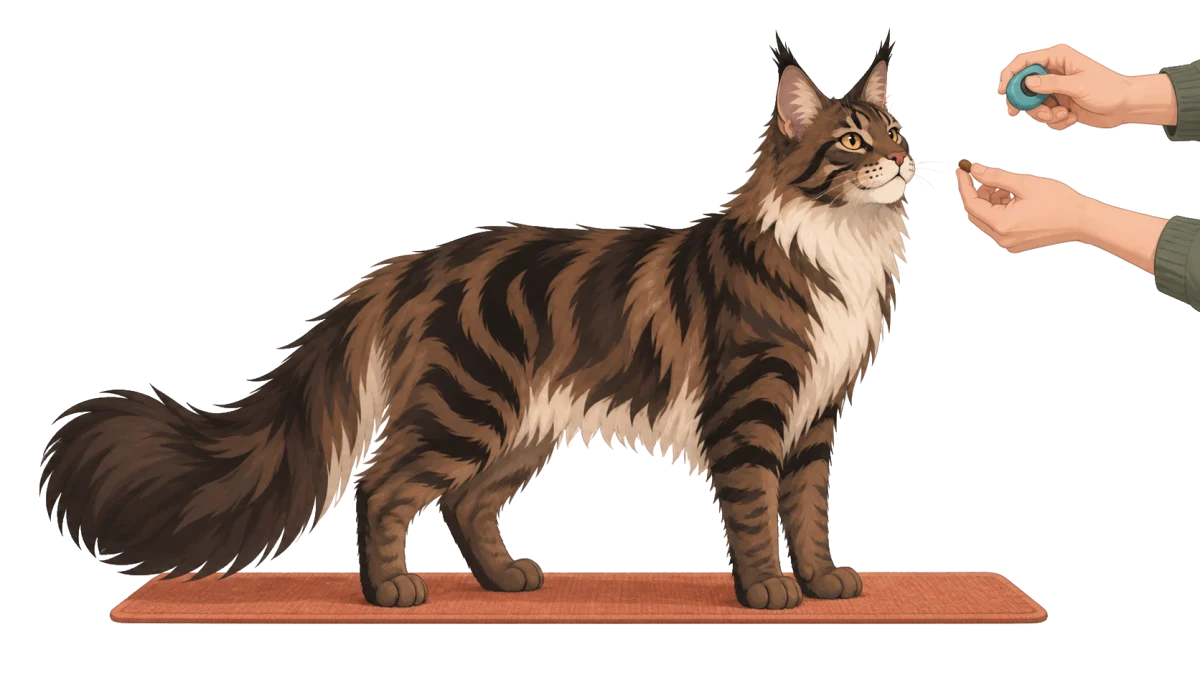
This is Cats Protection’s method. Start when your cat is relaxed: they say never to train a nervous or scared cat, and that older or unwell cats might struggle. Choose a quiet room, stand with your cat sitting in front of you, and keep a small pot of their food beside you. Take those bits out of their daily food so they don’t end up overfed.
Say your cat’s name. When they look at you, say “yes” in a happy voice and give them a bit of food, ideally within two seconds of the look. If they look away, start again with the name.
Keep each session to three minutes or less, and do a few of them over the next several days. While you’re teaching it, try not to use the name outside these sessions, so it doesn’t get confusing.
Calling your cat from further away
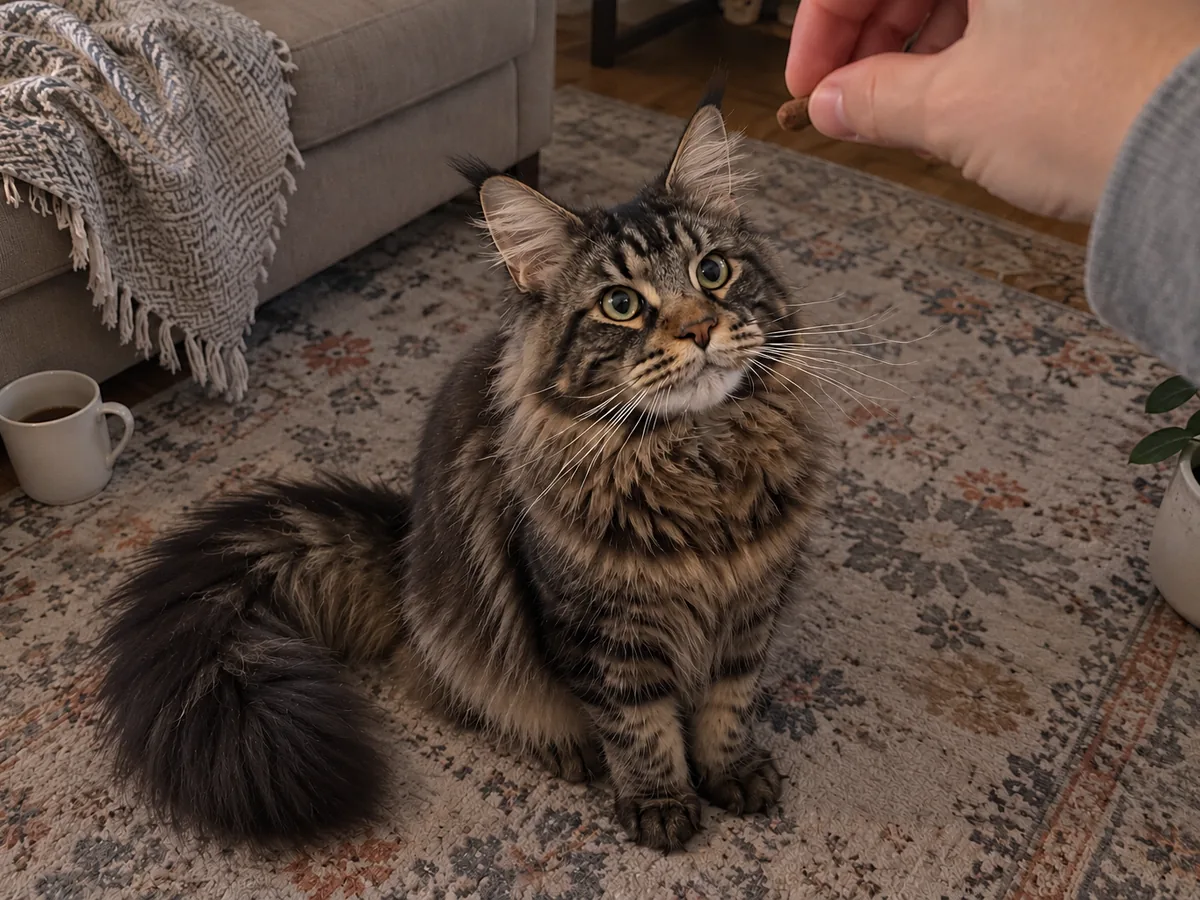
Once your cat has got the hang of it, run the same sessions standing further away, or sitting down. Make each change small, because a sudden one can distract them.
When your cat responds in every session, swap some of the treats for other rewards: a toy, a stroke if they enjoy one, or a trip into the garden. Then reward every other time, and later every third time. Don’t stop the rewards all at once. Cats Protection warns that your cat will stop responding too.
If you’d like the sessions planned for you, a Lapka programme sets them up and adjusts them after each one.
When your cat still doesn’t come
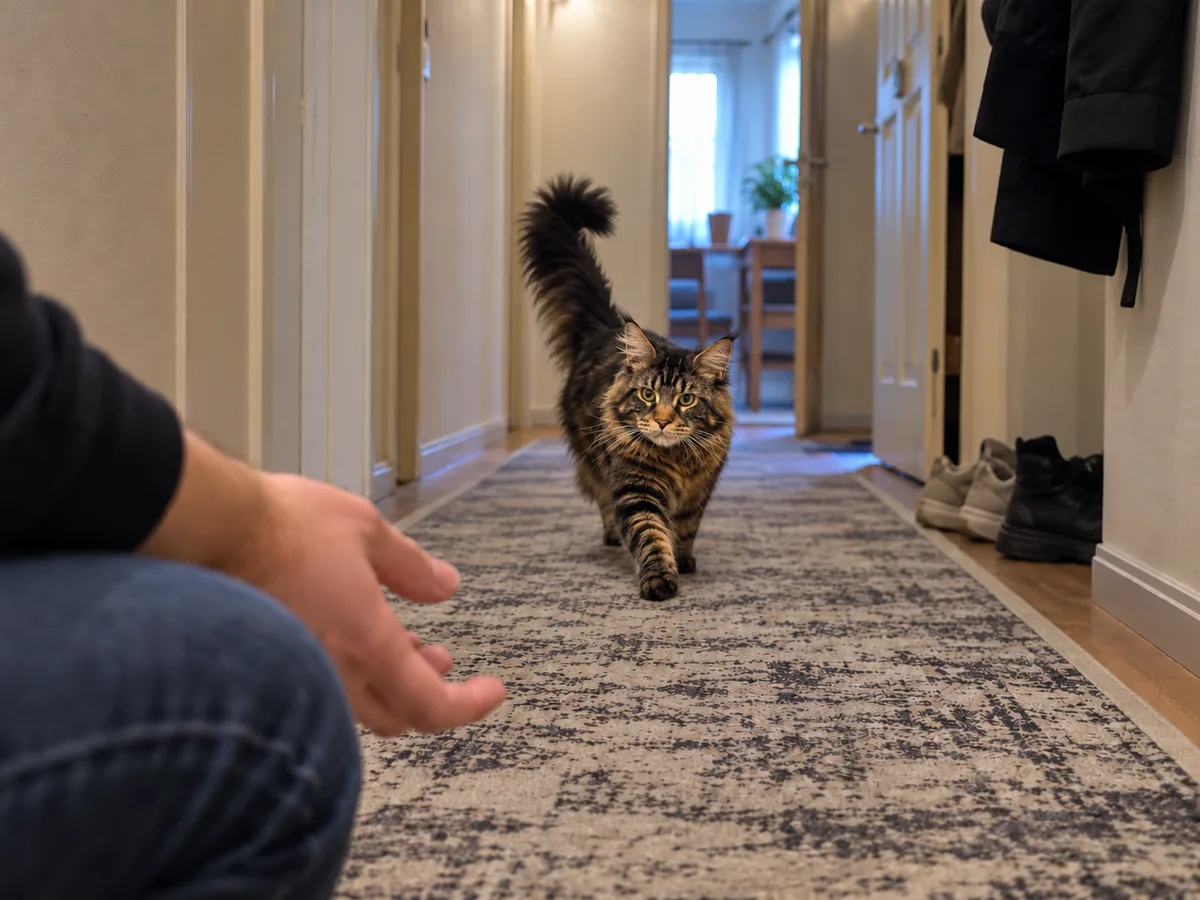
Cats Protection suggests making it easier and more exciting for them. Go back to a distance that worked, and try a reward your cat wants more, since a cat may simply not be interested in the one on offer.
Don’t call louder. Cats Protection says it could scare your cat. If either of you is getting frustrated, stop and try again another day.
Notes from the first week of the name game
Mon, before dinner, kitchen: said “Mila” once. Ear first, then a look. “Yes” and a bit of food. Six looks in three minutes.
Wed, from the sofa, two metres away: looked every time but one.
Sat, from the hallway: came halfway, then sat down to wash. Back to the sofa distance tomorrow.
Notes like these show where the game gets hard for your cat, so you know which step to slow down.
Questions people ask
Why does my cat ignore me when I call his name?
The same reasons hold for a boy as for a girl. He probably knows his name and hears you, and answers with an ear or a turn of the head. Whether he gets up depends on what the name has led to before, and the name game above changes that.
Do cats know their owner’s voice?
Yes. In the 2013 study, 15 of 20 cats lost interest as three strangers called their name, then perked up again at their owner’s voice. As in the name study, they showed it with their ears and head rather than a meow.
Do cats respond to nicknames?
In the Japanese name study, owners used whatever they normally called their cat, nickname included, and the cats picked it out from other words. So the name to teach is the one you actually say every day.
Why does my cat come for food but not when I call?
Because that sound already means food. Cats Protection’s example is calling your cat before putting their bowl down: they link the sound with dinner and come bounding in. The name game builds the same link for the name, one short session at a time.
How long does it take to teach a cat their name?
Cats Protection describes a few short sessions over several days for the first step, then adding distance slowly. Not all cats respond straight away, and some never get it at all, which isn’t their fault.
Sources and further reading
- Scientific Reports — Domestic cats (Felis catus) discriminate their names from other words (2019)
- Animal Cognition — Vocal recognition of owners by domestic cats (Felis catus) (2013)
- Animal Cognition — Discrimination of cat-directed speech from human-directed speech in a population of indoor companion cats (Felis catus) (2023)
- Cats Protection — How to train your cat to know and respond to their name
- Cats Protection — Cat body language
- Battersea — Is my cat happy?
- Cats Protection — How to care for deaf cats
- RSPCA — Understanding your cat’s behaviour