Lapka
The short answer
A chirp is a short, high, bird-like call, and when your cat aims it at you it’s usually a friendly hello. Mother cats use the same sound to call their kittens, and many cats use it to greet their people. Chattering at birds is a different sound: a fast clicking of the jaw at prey your cat can see but can’t reach. Nobody knows for certain why cats do it, and it’s normal.
What a cat’s chirp sounds like
A chirp is a short, high-pitched call that researchers describe as similar to a bird chirping, with the tone rising near the end. A cat can make it once or several times in a row, and a run of chirps is called a chirrup.
International Cat Care puts the trill, or chirrup, among the “murmuring” sounds. Cats usually make these with the mouth closed, and mostly use them for greeting, attention, acknowledgement and approval. Written down, it comes out a little like “ppprrrrrrp”. Chirps, trills and murmurs blur into each other, and the authors of a 2020 review of cat vocal communication admit it’s sometimes hard to tell one sound from another with the human ear.
Why does my cat chirp at me?
Most often, it’s hello. International Cat Care calls the trill a friendly greeting call and says cats sometimes direct it at people too. Cats Protection translates the chirrup simply as “hello”: mother cats use it to call their kittens, and many pet cats use it to greet their humans.
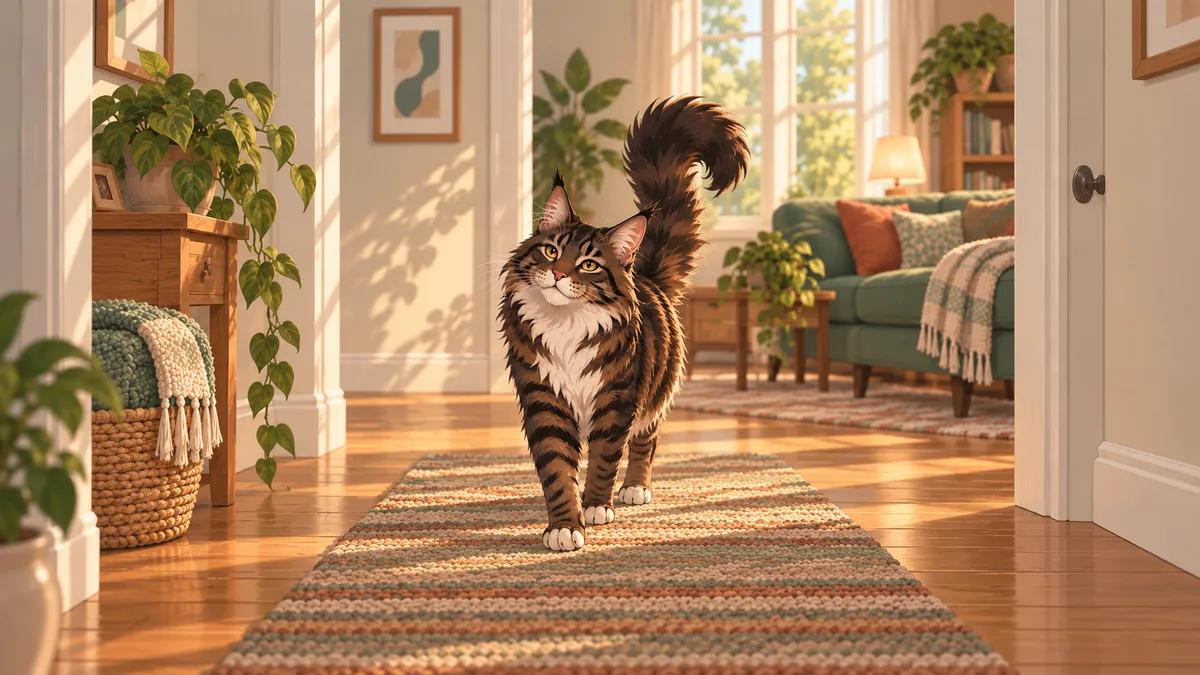
So the chirp you get when you come home, or when your cat wakes up and finds you on the sofa, is most likely a greeting. Watch the tail while it happens. If it’s held straight up as your cat walks towards you, International Cat Care says that usually signals friendly intent.
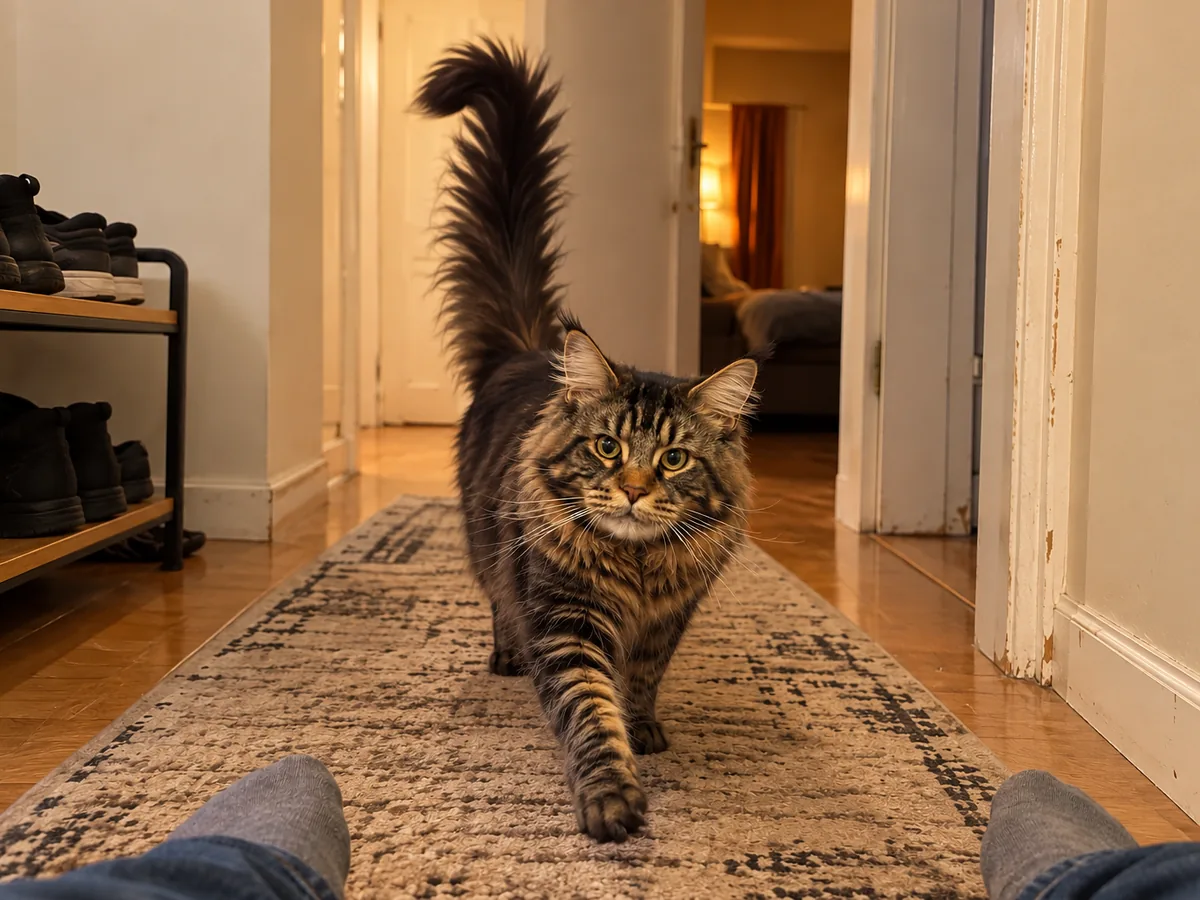
Where the chirp comes from: mother and kittens
The chirp starts in the nest. According to the 2020 review, chirps and purrs are the two sounds a mother cat makes most often there. Her kittens can tell her chirp from the chirps of other mothers, and they respond to it as she comes back to the nest.
As the kittens grow, she uses it to call them out of the nest and get them to follow her. Many adult cats go on using it to greet the people they live with. International Cat Care says individual cats may add their own personal sounds that they only use with their owners.
Why does my cat chirp when I pet her?
A chirp during a stroke belongs to the friendly closed-mouth sounds, the same family as the purr. The 2020 review describes the murmur, a short, soft trill or purr, as a sound made with the mouth closed during friendly approach and play. In a friendly setting it’s one of the sounds cats use most.
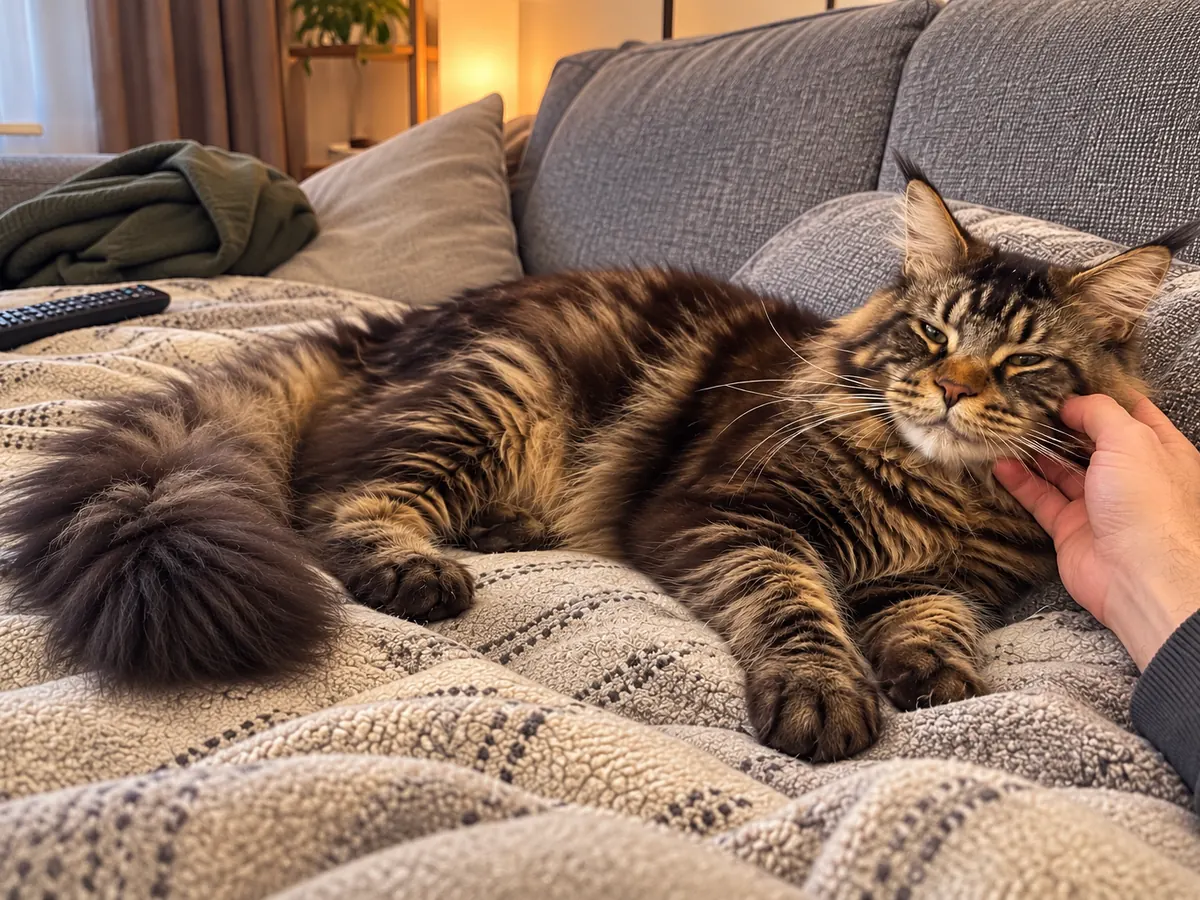
The rest of your cat tells you how it’s going. Cats Protection says a cat who stays put and looks relaxed, or nudges your hand for more, is enjoying it, and may purr or even dribble a little. Most cats like it best on the cheeks, the chin, the top of the head and the neck or shoulders.
Some cats want a lot of fuss, others a minute or two at a time. If your cat moves away, looks stressed, hisses, growls or goes for your hand, stop and give them some space.
Why do cats chirp and chatter at birds?
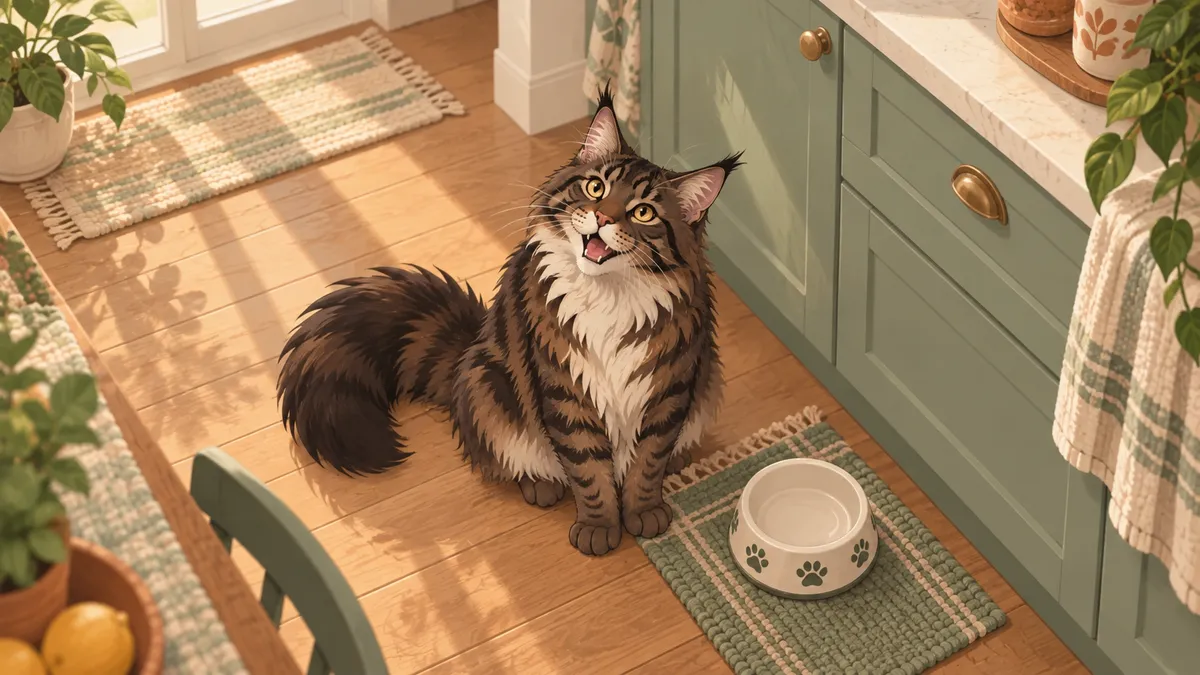
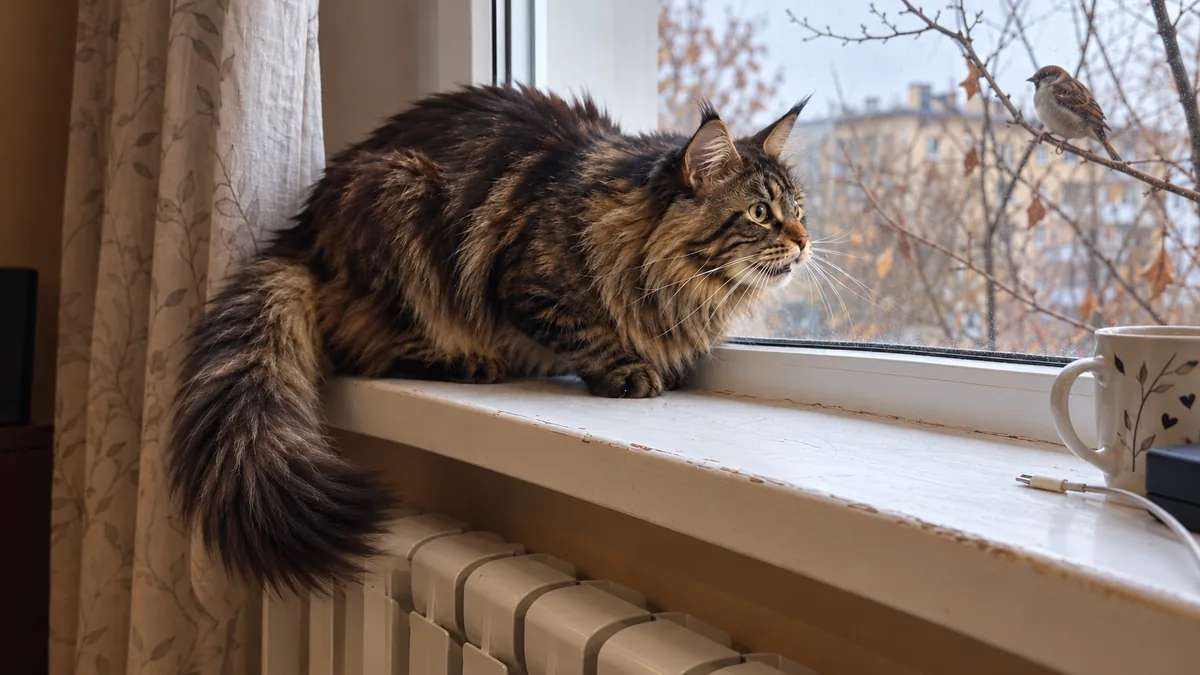
This is the other sound, and it looks quite different. Cats Protection describes chattering as a cat quickly opening and closing their mouth, usually with stuttering or clicking sounds, and often with high-pitched chirps or tweets mixed in. It usually happens indoors, when the cat can see birds or other small animals through a window or door.
While it happens, your cat is likely to crouch, point their ears forward, stare with wide eyes and move their tail from side to side. The 2020 review describes it as teeth chattering near prey: a quick clicking of the jaw with the mouth tensely open. It’s often voiceless, which means the vocal cords don’t vibrate.
It’s more common in indoor cats who can’t get to wildlife, but cats who go outside sometimes do it too. International Cat Care adds that it can be aimed at other prey and even at toys.
What chattering at birds might mean
Nobody knows for certain, but the two charities give the same main ideas. The first is excitement or frustration: your cat can see the bird and can’t get to it. Cats Protection points out that a cat with a real chance to hunt usually stays as silent as possible, so as not to scare the prey away. The chatter is more likely when the bird is out of reach, on the other side of the glass.
The second idea is imitation. The chirps and tweets sound a bit like birds and rodents, and your cat may be copying them to get closer before pouncing. International Cat Care adds a third: the cat may simply be anticipating the catch.
Cats Protection calls one theory unlikely: that the jaw movement rehearses the bite a cat gives to the back of the prey’s neck. And if chattering at the window has got your cat let outside before, it may also be a request to go out and hunt.
Is teeth chattering normal in cats?
Yes. Cats Protection calls chattering and chirping natural behaviour for cats and usually nothing to worry about. Not every cat does it, and a cat who never chatters is fine too.
Watch for a change. If chattering is new for your cat, or they’re doing it a lot more than usual, Cats Protection advises a vet check to look for a medical reason. The same goes for any change in the type or frequency of the sounds your cat makes.
Why does my cat chirp instead of meow?
Every cat has their own mix of sounds. Researchers have noted some 19 different vocal patterns in cats, International Cat Care says, and the 2020 review counts up to 21 described in the scientific literature. Individual cats also vary in how much they talk. A cat who greets you with a chirp and rarely meows is simply greeting you with a different friendly sound.
How you answer plays a part. International Cat Care says part of the difference comes down to how much we talk to our cats: when a meow gets something good back, like attention or food, the cat is very likely to do it again. Cats Protection calls the meow a learned behaviour that cats use with people because it usually gets a response.
How to help a cat who chatters at the window
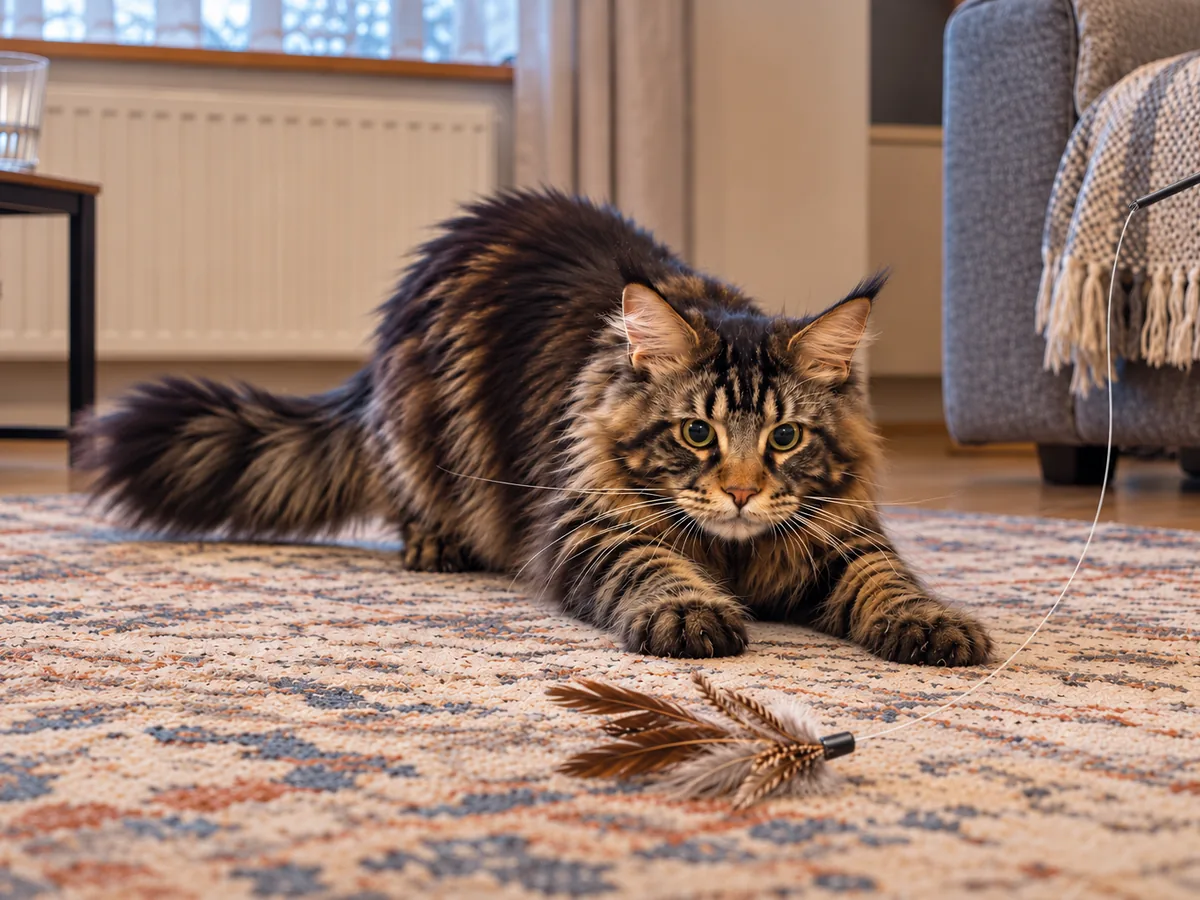
If the window chatter is normal for your cat but you’d like less of it, give the hunting urge somewhere to go. When you see your cat chattering, bring out a toy and let them stalk, pounce and catch it. Cats Protection says this gives the excitement or frustration an outlet and keeps the wildlife outside safe. A fishing-rod toy works well, because you can move it like prey: along the floor like a mouse, or through the air like a bird.
Short play sessions every day help too. Cats Protection says they feed the hunting instinct, so your cat should be less likely to chatter and chirp at birds outside. If you’d like some of that time to go into a trick, a Lapka programme plans short lessons and adjusts the next one to how your cat did.
If the view itself winds your cat up, cover the lower part of the window they like to watch from with something opaque, such as cardboard or a window sticker.
What a week of notes can look like
Mon, 7:50: chirps at me from the hallway when I come out of the bedroom. Tail straight up. Walks with me to the kitchen.
Wed, 16:10: chattering at the pigeons on the balcony rail for about a minute. Crouched, tail swishing. Ten minutes with the fishing-rod toy afterwards, then a nap on the sofa.
Sat: a short trill when I stroke her cheeks. Eating and litter tray as usual.
Notes like these show what each sound goes with: hello in the morning, birds in the afternoon. If one day the chattering starts out of nowhere, or the sounds change, you’ll have something concrete to show the vet.
Questions people ask
Why does my cat chirp when she sees me?
It’s usually a greeting. International Cat Care calls the trill a friendly greeting call, and Cats Protection says many cats use the chirrup to say hello to their people. Look at the tail too: held straight up as your cat comes over, it usually signals friendly intent.
Is it normal for my cat to chatter at birds?
Yes. Cats Protection calls it natural and usually nothing to worry about, and says it’s more common in indoor cats who can see wildlife but can’t get to it. Not all cats do it. If it starts suddenly or happens a lot more than before, have a vet check your cat.
Why does my cat chatter at toys or flies?
International Cat Care says chattering is usually aimed at a bird outside the window, but it can also be aimed at other prey and even toys. The 2020 review says cats seem to make these sounds when an insect or a bird catches their attention. Why exactly, nobody knows yet.
Should I talk back when my cat chirps?
If you enjoy it, go ahead. International Cat Care says how much cats talk is partly linked to how much we talk to them. It says this about the meow: when a meow gets attention or food back, the cat is very likely to meow again.
What’s the difference between a chirp and a trill?
To most ears, very little. International Cat Care treats the trill and the chirrup as one friendly greeting sound made with the mouth closed. Researchers describe the chirp as a short, high-pitched call, and they admit it’s sometimes hard to tell cat sounds apart with the human ear.
Sources and further reading