Lapka
The short answer
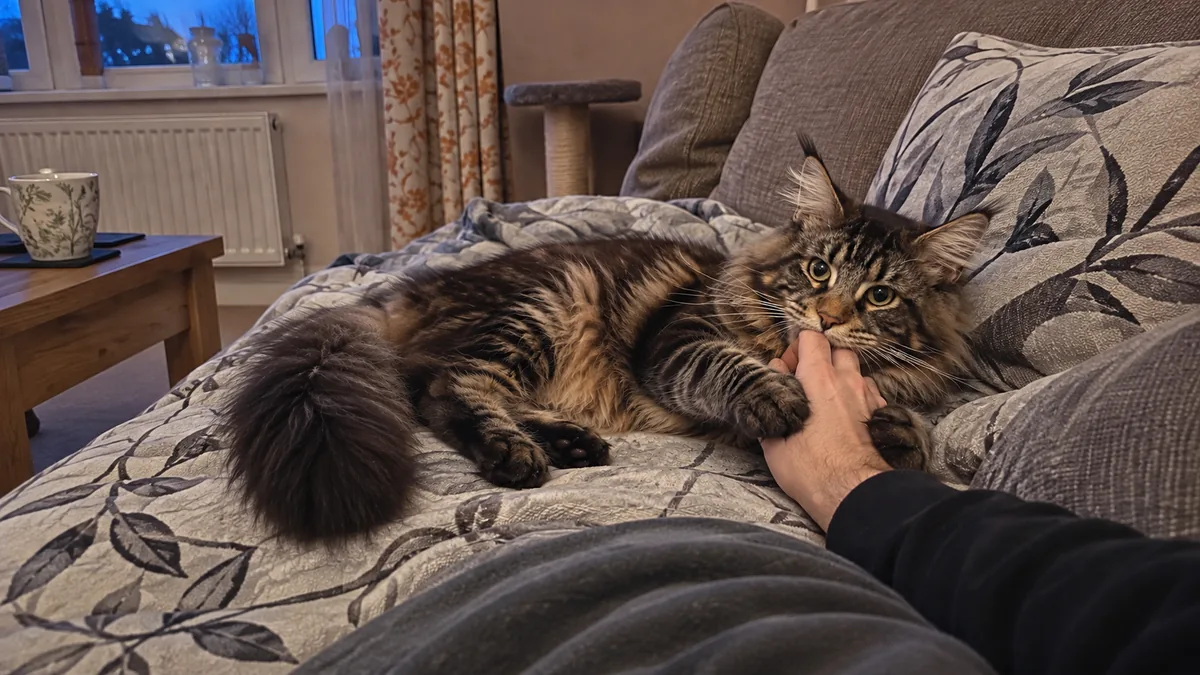
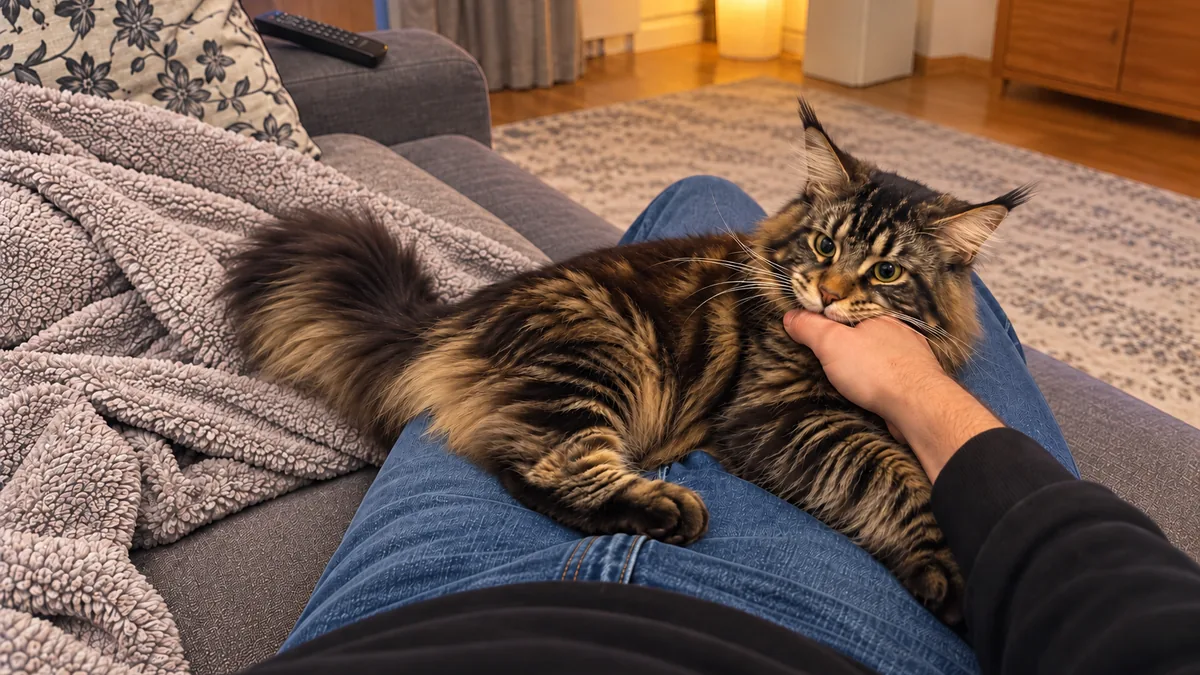
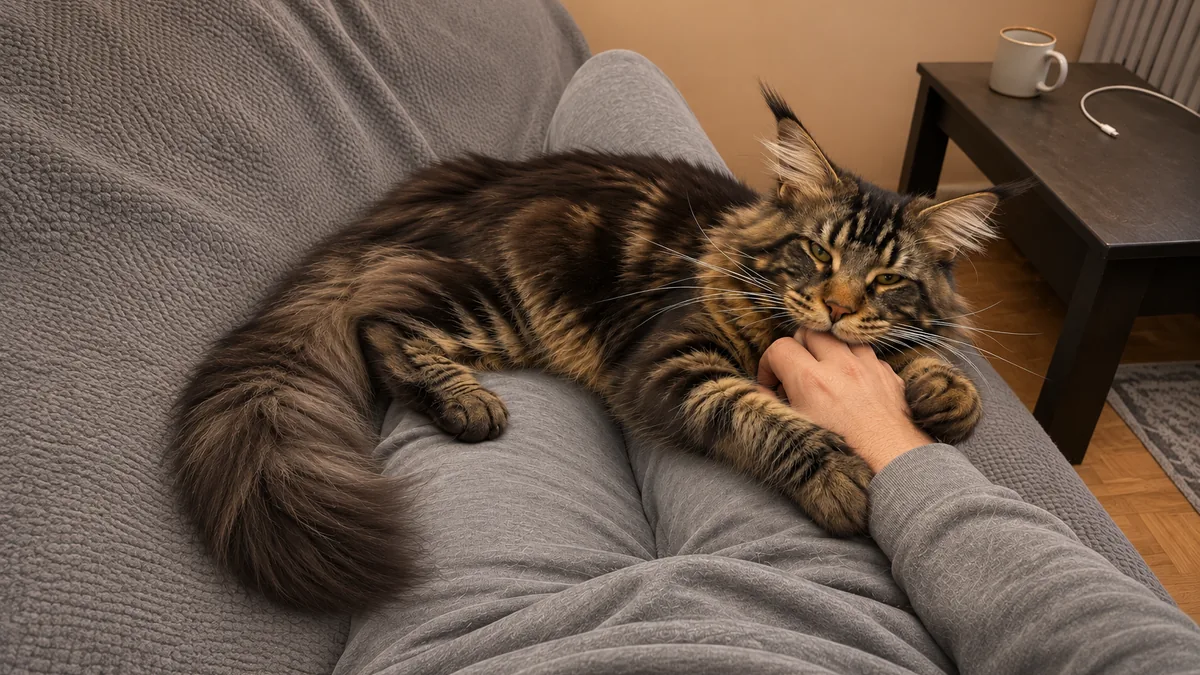
A gentle bite, often called a love bite, often means your cat is wound up. Cats Protection says a cat who bites during stroking or play may be overexcited, or turning their hunting play on you. The licking and purring around it are friendly, but the nip is a cue to stop for a while. If gentle biting is new for your cat, see your vet, because pain can cause it.
What does a cat love bite mean?
A love bite is what owners call a soft nip that doesn’t hurt, often in the middle of a cuddle. Cats Protection doesn’t use the term, but what it describes fits. Cats Protection says cats usually have a good reason for biting you gently, and that even a bite out of nowhere often comes after signs you may have missed.
The affection is real, and it’s mostly in the licking around the bite. Licking people or other cats is how cats bond, share their scent and feel good. When biting comes with it, Cats Protection says your cat is probably overexcited or feeling playful.
So take a love bite as a sign that your cat is wound up, by the stroking or by wanting to play, and ease off for a bit.
Why does my cat bite me gently while purring?
A purr doesn’t always mean “keep going”. Cats Protection says loud purring while you stroke or play with your cat shows they’re stimulated, and it can come with kneading, drooling and licking. You can carry on. If they start biting or scratching, though, they may be overstimulated, and an overstimulated cat may suddenly grab you and bite.
Don’t punish them for it. Punishment makes a cat stressed and can lead to other problem behaviours. Stay calm, walk away, and give them a while before you offer more attention. If it happens a lot, spread play and fuss through the day in several short bursts, which keeps your cat’s stimulation more balanced.
Look at the rest of your cat too. Purring with ears flat or turned to the side, wide pupils and whiskers pointing forwards or down likely means a stressed cat. Purring can also be a sign of pain.
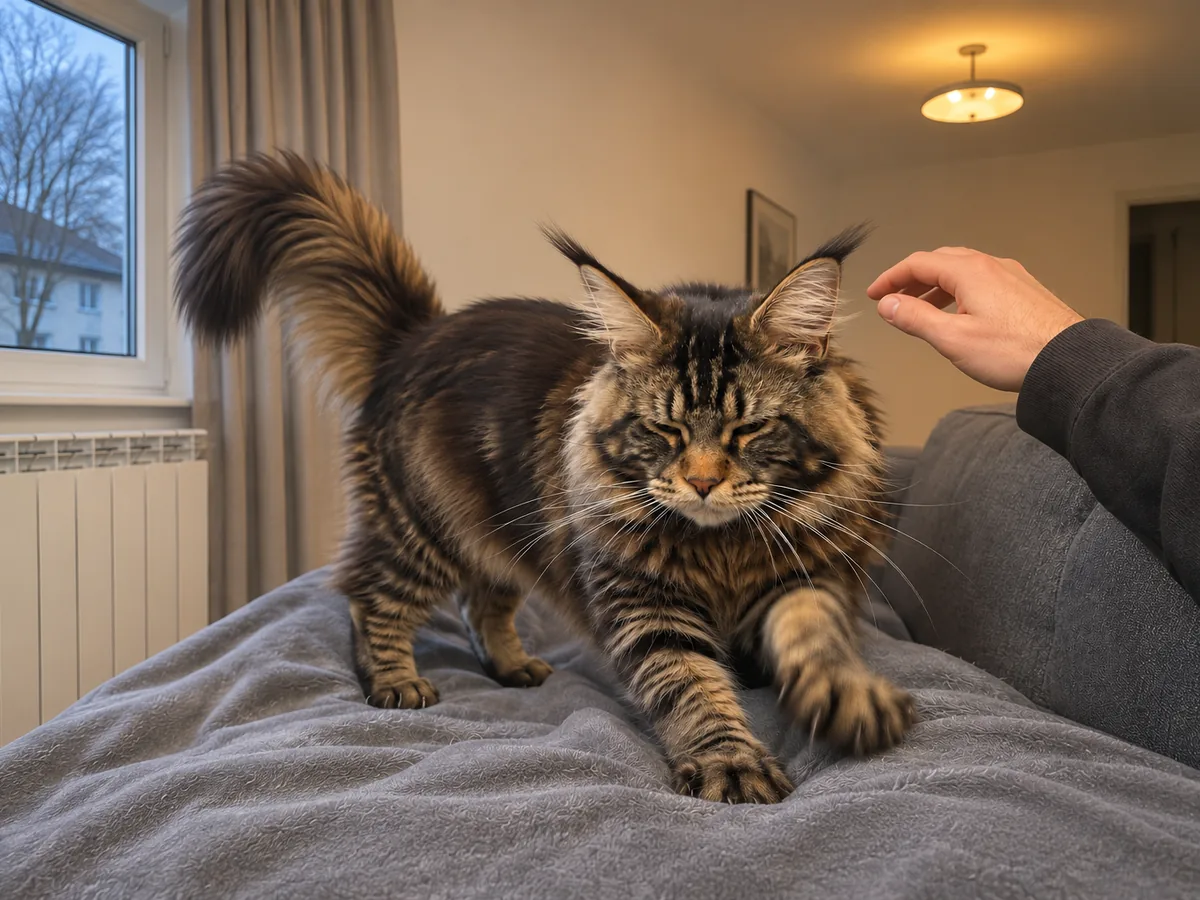
Why does my cat bite me gently out of nowhere?
It often only seems to come from nowhere. There are often signs you missed, and two causes are easy to miss because they start somewhere else.
The first is play with nowhere to go. A cat who grabs your ankle, or bites when they want to play, may be showing what Cats Protection calls redirected play aggression. With too few chances to play or chase “prey”, a cat may turn the hunt onto people. It’s more common in kittens and young cats but can happen at any age, and it can be a sign of boredom, which often happens with indoor cats.
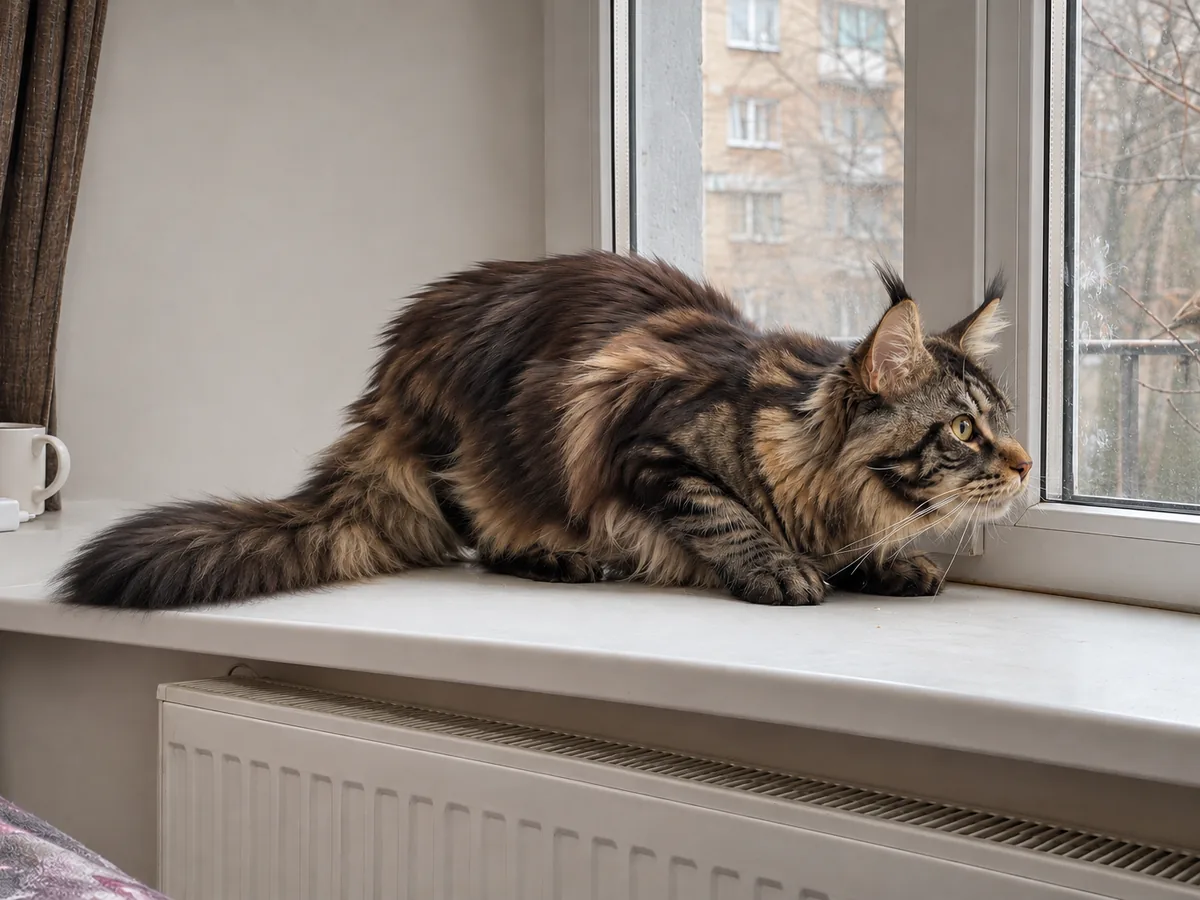
The second is a cat wound up by something they can’t reach. The ASPCA calls it redirected aggression. Your cat watches another cat through a window, or stalks a bird outside, and turns on whoever is nearby. The delay between the two can be as long as hours, which is why owners describe these bites as out of the blue. In the ASPCA’s example, a cat outside passed by 30 minutes before the attack.
If an adult cat suddenly starts play biting when they never have before, Cats Protection suggests a vet check first, then a qualified behaviourist.
Gentle bites in play, and how cats learn them
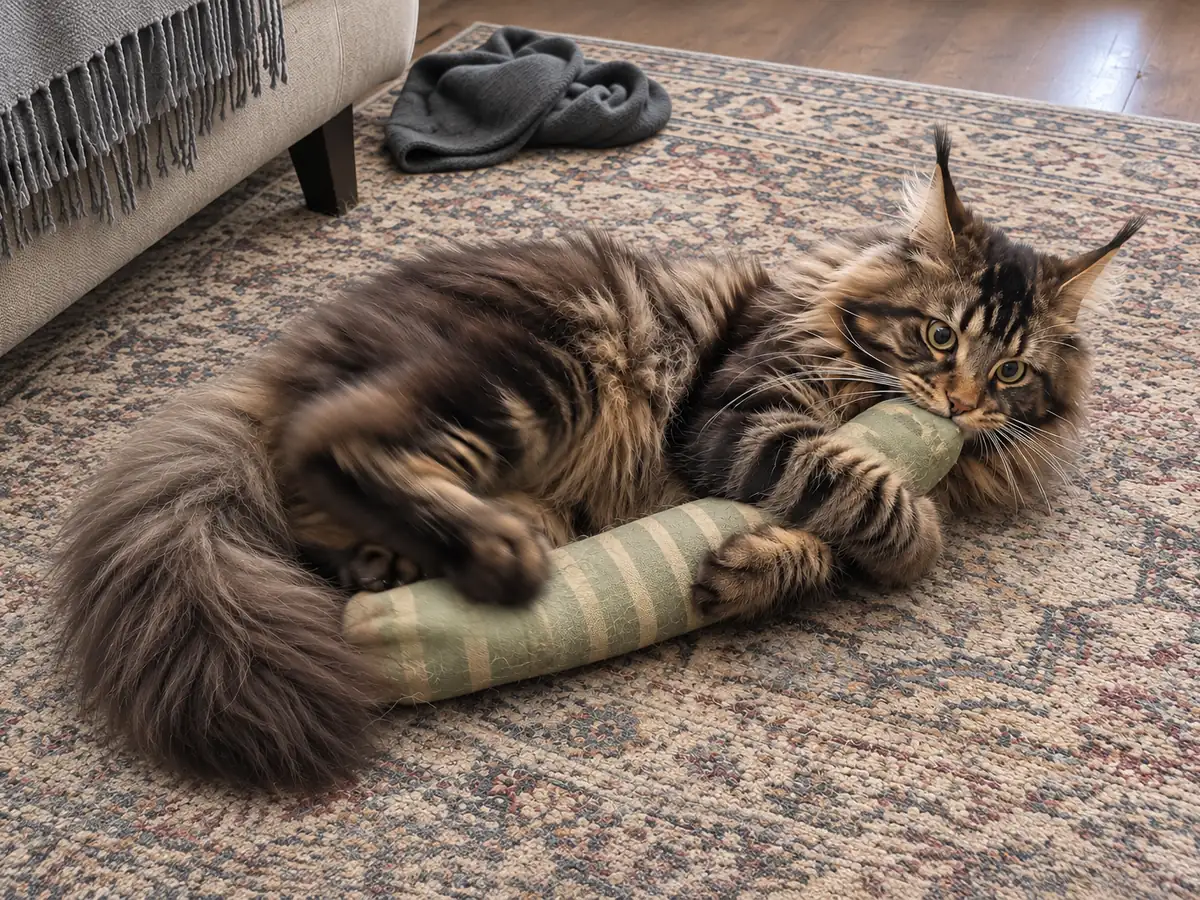
Play biting is common. The ASPCA says play aggression is the most common type of aggression cats direct at their owners, and that rough play is common and natural in kittens and young cats under two years of age.
Soft bites are learned. Young cats learn to hold back their bite and sheathe their claws by playing with each other. Cornell Feline Health Center explains how: a kitten learns they’re biting or scratching too hard when their littermates stop playing or hit back. The ASPCA adds that cats orphaned or weaned early may never have learned to temper their play.
Hands teach the opposite. Cats Protection says this biting can sometimes come from kittens being encouraged to play with fingers and toes in their socialisation period, from two to seven weeks old. If they learn to see hands and feet as toys, they keep attacking them as adults, with much sharper teeth and claws. This kind of biting is usually fairly gentle, but it can still hurt and leave a wound.
Why does my cat bite me gently and hold on?
A cat who wraps their front legs round your arm and bites it, sometimes kicking with their back legs, is hunting. Cats Protection calls it a classic hunting move. When cats catch large prey, they often grab it with their front legs and bite it while “bunny kicking” with the back ones.
Keep still. Sudden movements and loud noises make a cat more scared or overexcited, Cats Protection says, and more likely to bite again. Stay as still and calm as you can, then take yourself out of the game and give your cat some space.
Next time, give those back legs something to kick. A larger kicker toy works well for bunny kicking.
Love bite or real bite: how to tell
A love bite and a warning bite can feel much the same. What differs is the cat around them. International Cat Care says a relaxed cat’s ears face forward in the normal position, and relaxed eyes blink, sometimes half-closed.
Before a stop bite, the ASPCA lists the signs to watch for: a quick turn of the head towards your hand, a twitching or flipping tail, ears flattening or rotating forward and back, restlessness and widening pupils. Battersea adds smaller ones. Your cat goes tense, moves away, suddenly grooms, shakes their head, rotates their ears or licks their nose. Some cats also lick a person who is handling them when they don’t want to be handled, and if the handling carries on, a bite or scratch can follow quickly.
A frightened cat usually shows several clues first. Cats Protection lists hissing, crouching low, flat ears, wide eyes, an arched back, a tense tail, whiskers pointing forwards and puffed-up fur. Most scared cats would rather run away and hide, and bite as a last resort when they feel trapped. If you see these signs, leave your cat alone and let them get away.
When love bites get too hard
Stop the moment your cat signals. When a cat shows they’ve had enough stroking, the ASPCA’s advice is simply to stop.
In play, end the game. Cornell says that walking away and ignoring a cat who is playing too rough may teach them that rough play means no play at all. Never physically punish your cat, or even touch them, at that moment. The ASPCA says painful punishment doesn’t change a cat’s behaviour and can trigger aggression from pain, and the AAFP, the American vets’ association for cats, says punishment can lead to fear of people and more biting or scratching.
Reward the calm instead. The AAFP suggests rewarding calm and quiet behaviour with your cat’s favourite treats and attention. Changing a habit takes time and consistency.
Give those teeth something else to catch
Keep your hands out of games. International Cat Care says never to use your hands or feet to play with a kitten, and Cats Protection says play with fingers or toes shouldn’t be encouraged at any age.
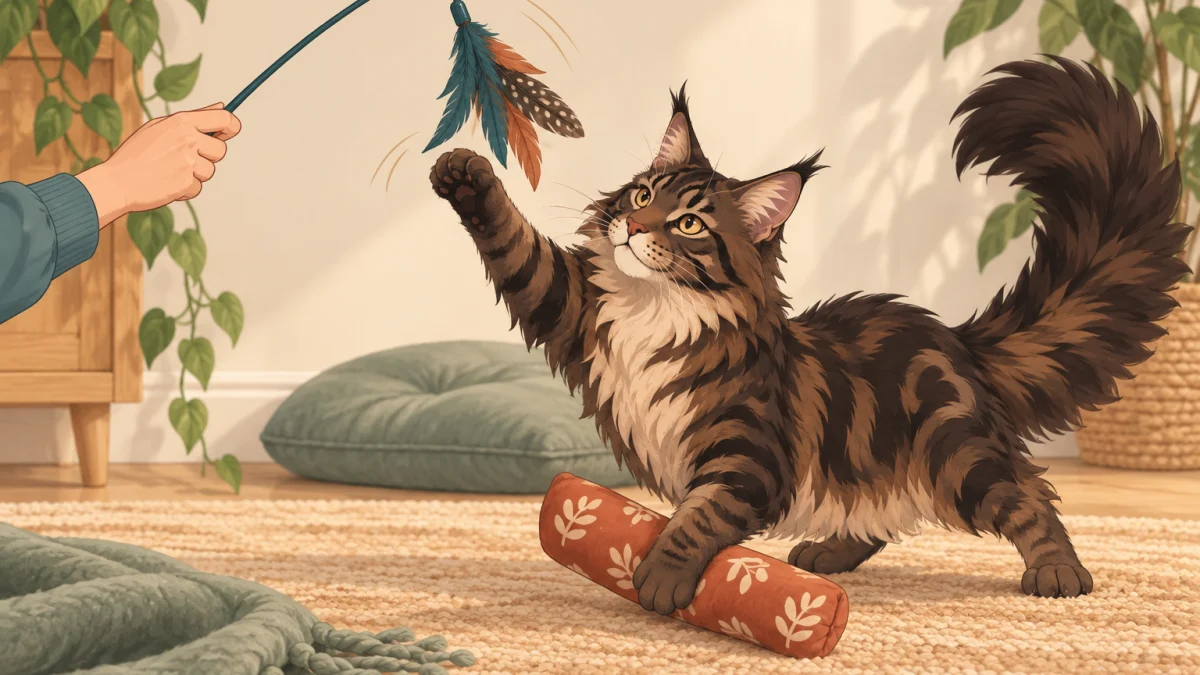
Use toys that keep the action away from your body: a fishing-rod toy with feathers on a string, or a ball you throw. Let your cat catch and “kill” the toy now and then, so they don’t get frustrated. Cornell says anything you use to distract a cat from play biting should be kept at a distance from your hands.
Short and often works best. Very short games of one to two minutes are fine. Older cats will love playing three or four times a day, while younger cats will be happy to play 10 times a day or more. If you’d like those sessions planned for you, a Lapka programme lays out short daily play and training and adjusts them after each one.
When gentle biting is new: see your vet
A cat who never used to bite and now does, even gently, should see the vet. Cats Protection says that when biting is unusual for your cat, your vet can check whether it’s a reaction to pain.
Cornell lists diseases that may cause aggression: hyperthyroidism, osteoarthritis, dental disease and problems of the central nervous system. Cats in pain may act aggressively to avoid touch, movement or things that might make the pain worse. The ASPCA says even a well-socialised, normally docile cat can lash out when they’re hurt.
Tell your vet about any other changes too, for example a cat who purrs a lot more than usual or in new situations, or who has suddenly stopped purring or started. Cats Protection says changes like these can mean something is wrong, or that your cat is unwell.
What a week of notes can look like
Tue evening: on my lap, purring loudly, kneading the blanket. After a few minutes of long strokes down the back, two soft nips on my wrist. Tail flicking just before.
Thu: strokes on the cheeks and chin only, stopped after about a minute. No nips. Two short games with the fishing-rod toy later on.
Sat morning: grabbed my ankle on the way to the kitchen. No game the evening before.
Notes like these show when the soft bites come: after long stroking, and on days with little play. That tells you what to change. If the pattern shifts for no reason you can see, the same notes help your vet.
Questions people ask
Are cat love bites a sign of affection?
Partly. The licking and cuddling around the bite are friendly, because licking is how cats bond and share scent. The bite itself usually means your cat is overexcited or feeling playful, Cats Protection says. Ease off before it turns into a harder one.
Should I let my cat give me love bites?
Better not to encourage them. A cat who learns that hands are toys keeps biting them as an adult, with sharper teeth, and even fairly gentle biting can still hurt and leave a wound. Stop the stroking or the game calmly and offer a toy to bite instead.
Why does my kitten bite me gently?
Kittens bite in play, and they learn how hard is too hard from their littermates, who stop playing or hit back. A kitten who left the litter early may not have learned it yet. Don’t play with your hands or feet: International Cat Care says the kitten then grows up linking fingers and toes with playtime.
Why does my cat bite me gently and not my partner?
Cats Protection says it depends on the reason. With overstimulation, it may be the person who is around more and plays with the cat more, or who once encouraged play with fingers and toes. Someone who reacts more, or fidgets with their fingers and toes, can excite a cat more than someone sitting still and calm. If the cat is scared of that one person, the bite is a last resort, usually after body language clues.
What should I do if a love bite breaks the skin?
Clean the wound with soap and warm water, gently pat it dry and cover it with a clean dressing, as Cats Protection advises. If it becomes infected or doesn’t heal, seek medical help.
Sources and further reading
- Cats Protection — Why does my cat bite me?
- Cats Protection — Cats and play
- Cats Protection — Why does my cat purr?
- Cats Protection — Why does my cat lick me?
- ASPCA — Aggression in Cats
- Cornell Feline Health Center — Feline Behavior Problems: Aggression
- International Cat Care — Playing with your cat
- International Cat Care — Cat communication
- Battersea — How to stroke a cat and interact with them
- AAFP — Training Techniques for Addressing Undesirable Behaviors