Lapka
Lapka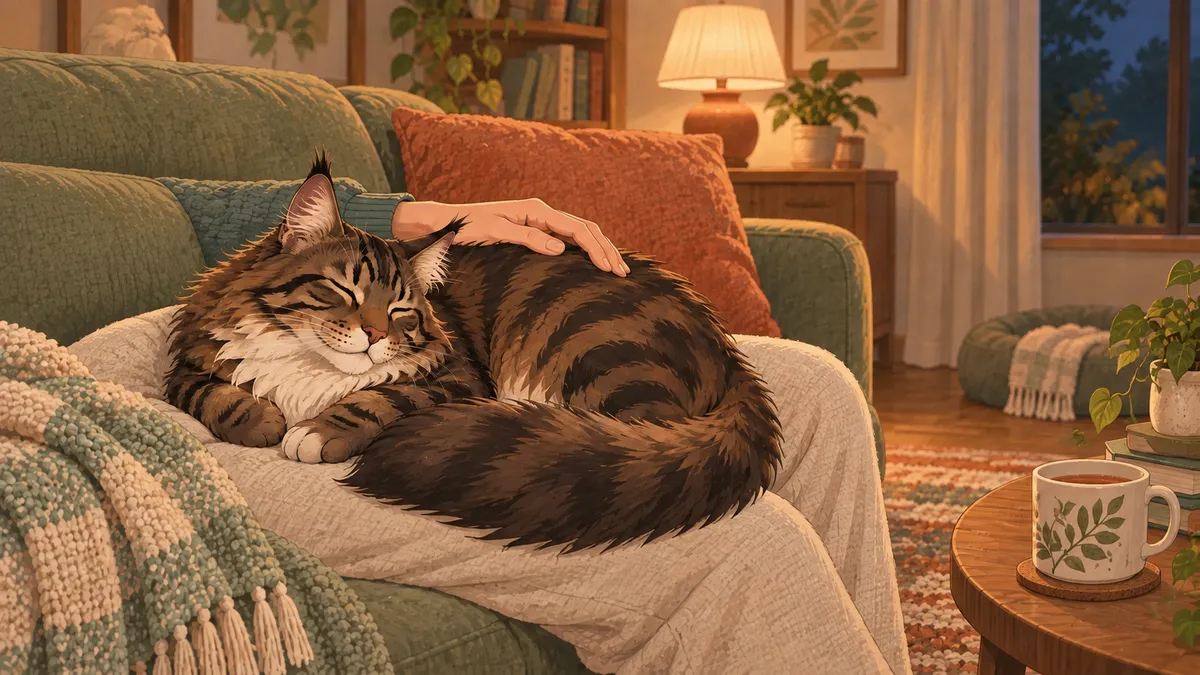
The short answer
Cats purr mostly when they are relaxed and close to someone: kittens and their mother purr to say all is well, and adult cats purr when greeting, grooming each other or being stroked. But cats also purr to ask for food or attention, when stressed, and when unwell or in pain, possibly to soothe themselves. So a purr is not proof of happiness: read it together with your cat’s ears, eyes, whiskers, tail and the situation.
What a purr is, and how cats do it
A purr is a low rumble made with the mouth closed. It belongs to the quiet sounds cats use for greeting, attention, acknowledgement and approval, alongside the friendly chirrup. Most purring happens during contact with another cat or a person, though cats purr on their own too.
Exactly how cats do it isn’t clear. It has been suggested that muscles in the voice box, the larynx, twitch rapidly, widening and narrowing the gap between the vocal cords, so the air vibrates as the cat breathes in and out.
It starts in the nest
Kittens can purr almost from birth, mostly while suckling, to tell their mother where they are and that all is well. She purrs too: returning to the nest, she signals quietly that everything is fine without drawing the attention of predators, and the kittens suckle and purr at the same time.
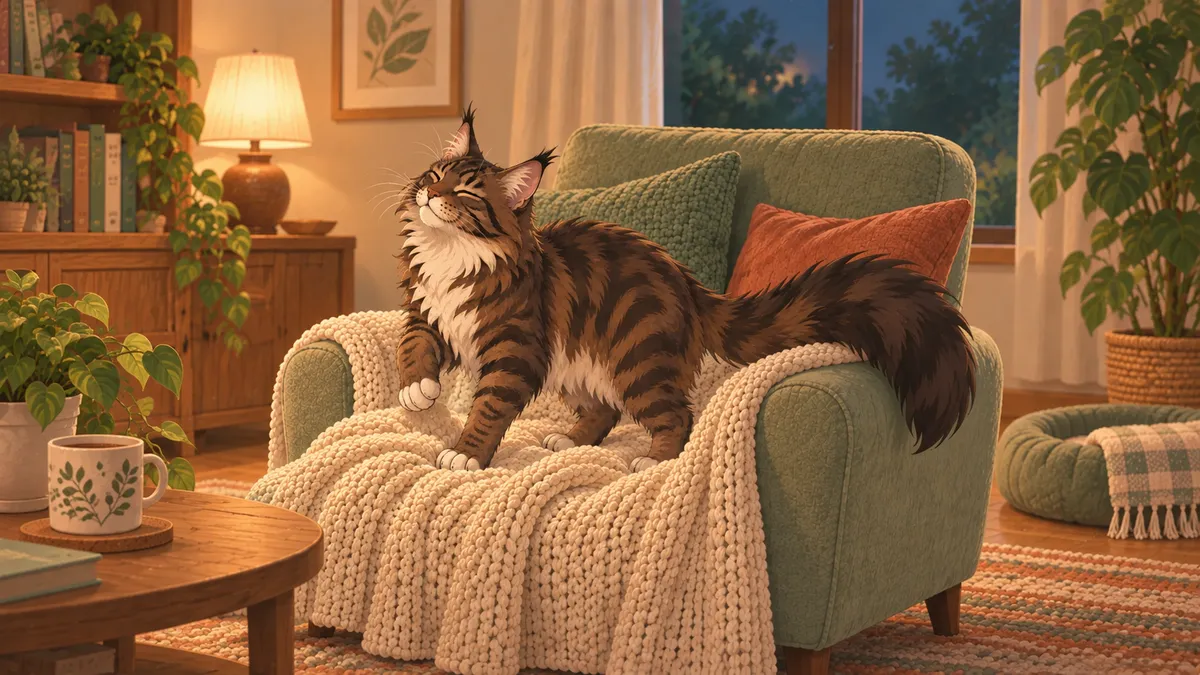
Adult purring stems from these early days, and so does kneading, which kittens use to help the milk flow. Some adult cats still knead a soft blanket or a lap, purring and even drooling as they do. That is not generally a problem.
The contented purr
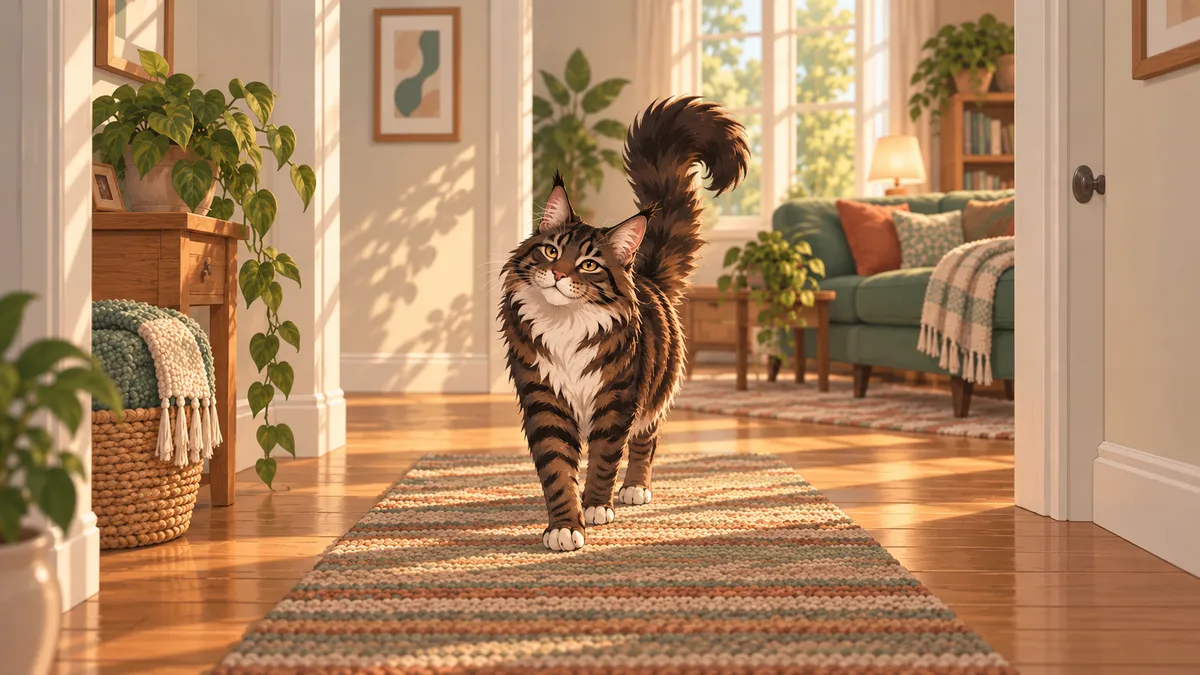
Most of the time, a purr goes with a content, relaxed cat. Relaxed ears and whiskers, small pupils and a tail pointing up or curled around them mean the purr is most likely a happy one, and perhaps a request for a little attention: a gentle fuss is a good reply.
Cats purr with each other too. Between cats who get on, purring is used as a greeting and often while they groom each other.
The purr that asks for something
Some purrs are requests. Researchers have identified a ‘solicitation purr’ that cats may use when they want food or attention. It sounds more urgent than an ordinary purr, with a high, cry-like note mixed in, and it is hard to ignore.
Listen for it just before mealtimes or when you reach for the treats. A cat who wants something may fix their attention on you, weave round your legs, rub against you or reach up with their front paws, meowing louder and purring higher and more urgently.
Why some cats purr, then bite
A loud purr while you stroke or play with your cat is a sign they are stimulated, and it may come with kneading, drooling and licking. That is fine until it tips over: an overstimulated cat may suddenly grab, bite or scratch, and some purr right up to that moment.
So watch the cat, not the purr. Widening pupils, a lashing tail, ears moving back and a tensing body often come first; stop stroking when you see them. If you are bitten, don’t punish your cat: stay calm, walk away and let them settle. If it keeps happening, offer several short bursts of play or fuss through the day instead of one long session.
Purring when stressed
Cats also purr when stressed. A purr with ears flat or turned to the side, wide eyes and large pupils, and whiskers pointing forwards or down most likely comes from a stressed cat; at the vet, or amid noise and activity, that is probably why. Purring may help a cat soothe themselves, but it doesn’t mean the moment is fine: where you can, reduce or remove whatever is causing the stress.
Purring when unwell or in pain
Cats purr when sick or injured too, and some purr when in pain. Cats with long-lasting pain or illness can sometimes hide their discomfort for a long time, so never let a purr reassure you on its own.
A pain purr may sound faster than the slow, rhythmic purr of a content cat, but the two can sound almost the same, so judge by body language, behaviour and the situation. Nobody knows for certain why a hurting cat purrs: it may be self-soothing, and a sick cat’s purr has a different frequency from a healthy one.
Pregnancy, birth and heat
Hormones play a part too. A pregnant cat may purr more and seek you out more than usual; just before giving birth she may purr and pant, grow restless and look for a quiet, warm nest, and some cats purr while giving birth. If anything about the birth worries you, call your vet. A female cat in heat typically becomes more affectionate, rubs against you more, rolls on the floor, purrs and meows a lot.
When to call the vet
Talk to your vet if your cat purrs a lot more than usual or in new situations, or if a cat who always purred suddenly stops, or one who never did suddenly starts. Look for signs of pain alongside: hiding more than usual, sleeping more, eating or drinking less, a hunched crouch with squinting eyes, reluctance to jump down, crying out when moving or using the litter tray, or less tolerance of people.
Some things can’t wait. Call your vet if your cat hasn’t eaten for more than 24 hours. If your cat seems to struggle for breath, breathing fast or panting noisily with an open mouth, get them to a vet straight away, purring or not.
A purr is one clue, not the whole answer
Before deciding what a purr means, look at the ears, eyes, whiskers, tail and posture, notice what has just happened, and compare it with what is normal for your cat. The same goes for training: after every session Lapka asks whether your cat stayed relaxed, and a purr alone doesn’t answer that. The whole cat does.
A purring note from one evening
Sun 20:15 · on my lap after dinner, stroked along the back · loud purr, kneading, eyes half closed · about four minutes in: pupils wider, tail starting to lash, ears turning back, still purring · I stopped stroking; she stayed a moment, then jumped down and washed her shoulder.
Note what the rest of your cat was doing while the purr went on; a week of notes shows how long stroking stays pleasant, so you can stop just before it isn’t.
Questions people ask
Do cats purr when they are in pain?
Some do. Cats purr when sick or injured as well as when content, and a pain purr can sound almost the same as a happy one. Hiding, eating less, a hunched crouch with squinting eyes or crying out when moving can all be signs of pain; if you see them, contact your vet.
Why does my cat purr so loudly?
Usually because they are stimulated: a loud purr during stroking or play may come with kneading or drooling, and can end in a sudden bite if your cat gets overstimulated. A higher, more urgent purr with meowing and leg-weaving is more likely a request for food or attention. Cats vary, so what matters is a change: a cat suddenly purring far more than usual is worth a vet check.
Why doesn’t my cat purr?
Not all cats purr; some show how they feel through meows or body language instead. A tail held up, relaxed ears and whiskers and small pupils are signs of a cat at ease, purr or no purr. But if a cat who used to purr suddenly stops, take them to the vet for a check-up.
Can a cat’s purr heal?
It is a popular idea, not an established one. The low-frequency vibrations of a purr are suspected to help bone and tissue heal and to ease pain and swelling, and some suggest a purring cat on your lap could do the same for you. Treat it as a theory: a purr never replaces a vet, or a doctor.
Sources and further reading
- Cats Protection — Why does my cat purr?
- International Cat Care — Why do cats..?
- International Cat Care — Cat communication
- Cats Protection — The Behaviour Guide
- Cats Protection — Purring the blues away
- Battersea — How do I know if my cat is excited to see me?
- Cornell Feline Health Center — Feline Behavior Problems: Aggression
- AAFP — Feline Behavior Guidelines
- Cats Protection — Signs of pain
- Battersea — How do I tell if my cat is in pain?
- International Cat Care — Cat birth
- Cats Protection — Caring for your pregnant cat
- ASPCA — Meowing and Yowling
- Cats Protection — How long can cats go without food?
- Cornell Feline Health Center — Dyspnea (Difficulty Breathing)