Lapka
The short answer
A cat’s tail shows their mood, so each wag means something different. A gentle, rhythmic sway, with the tail held off the ground while your cat lies relaxed, can mean a content cat. A slow sweep while they stare at something means they’re making up their mind or getting ready to pounce. A quick swish, a lash or a thump means they’re annoyed or upset, and if you’re stroking them, it’s time to stop. A twitch while they doze often means they’re still keeping watch.
Why do cats wag their tails?
Cats show how they feel mostly with their body, and the tail does a lot of that talking. It holds 19 to 23 bones, called vertebrae, and it can sway, sweep, flick or lash.
Read a wag by its speed. Cats Protection, the UK cat charity, puts it this way: a slow sway from side to side means your cat is undecided or getting ready to pounce, a quick one means they’re angry or upset, and a twitch or flick means they’re agitated.
Where the tail is held matters too. A tail tucked between the back legs often means a cat is anxious or scared.
Why do cats wag their tails while lying down?
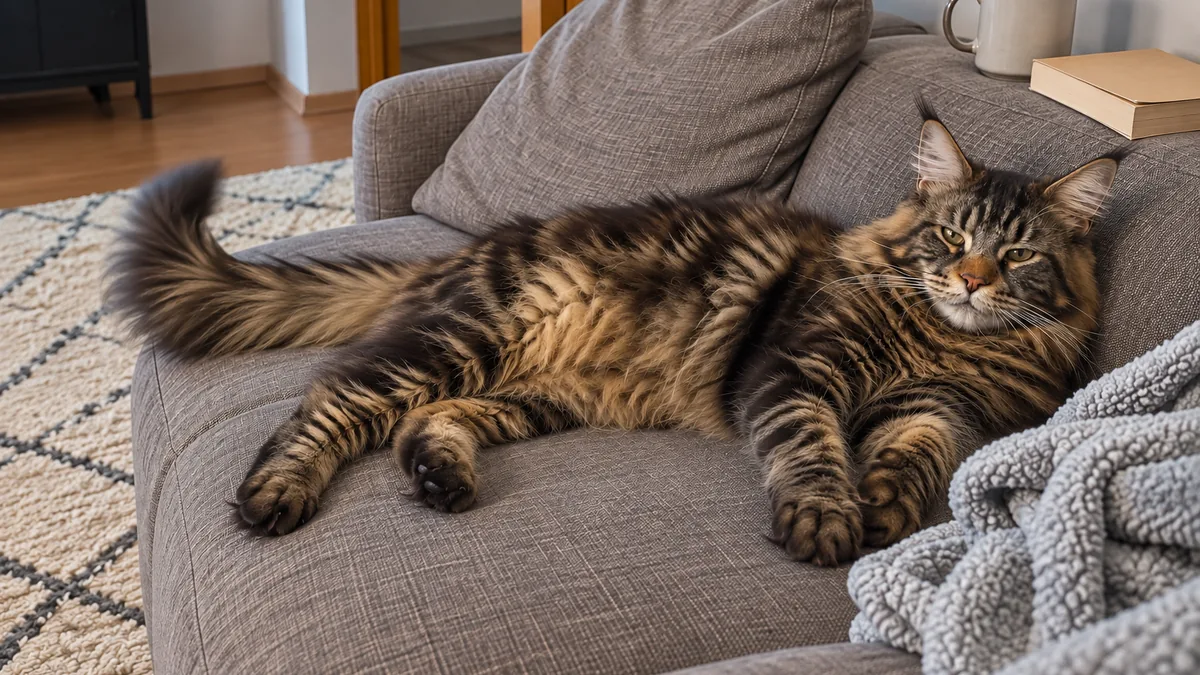
Lying down doesn’t change what the tail says. A relaxed cat may rest on their side with the tummy showing, and Battersea, the London rescue centre, says a happy cat’s tail may wave gently and rhythmically from side to side, usually when it’s held off the ground. What it shouldn’t do is swish, thrash or thump.
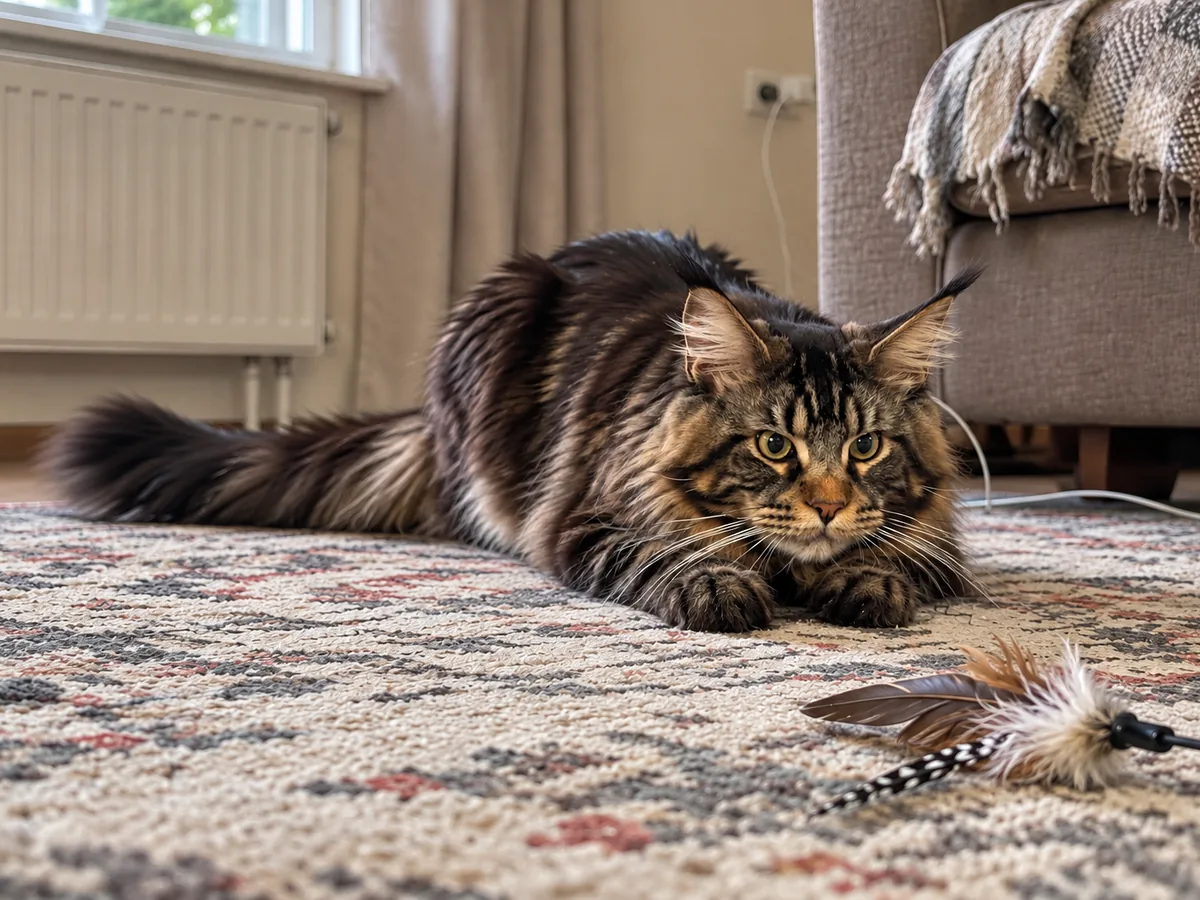
If your cat is lying down but staring at something, like a toy on the floor or your feet moving under the blanket, a slow sweep of the tail is often the wag before a pounce. International Cat Care adds that a tail held out and moving slowly across the body may also signal frustration.
If the pounce keeps landing on your feet, give them a toy to catch instead. And if you’d like a few of those play minutes to go on a trick, a Lapka programme plans short sessions and adjusts each one to how the last went.
Thumping the tail while lying down
A thump is a different message. International Cat Care calls a cat crouching and thumping their tail on the ground a classic defensive posture, and it lists thrashing or thumping the tail among the signs that you shouldn’t approach or touch a cat right now.
Battersea adds that a cat who is busy eating, sleeping or playing is unlikely to want a fuss. So if your cat is curled on the bed and the tail starts beating the duvet as you lean in, leave them be and try later.
Why does my cat wag her tail when I pet her?
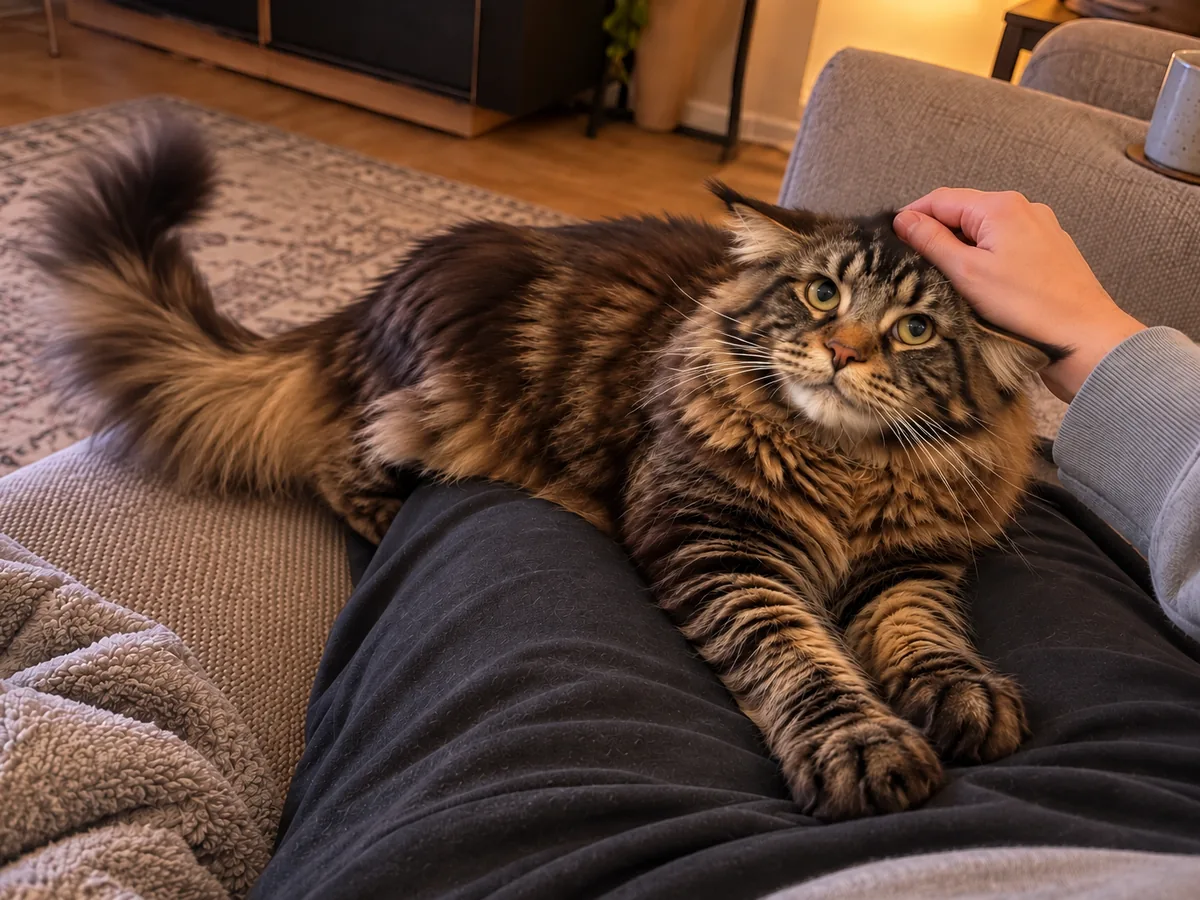
Some cats go from enjoying a stroke to being irritated by it quite suddenly. The ASPCA calls this petting-induced aggression: the cat nips or lightly bites the hand that was stroking them a moment ago, then jumps up and leaves.
There are usually warning signs first, and the tail is one of them. The ASPCA lists a twitching or flipping tail, a quick turn of the head towards your hand, ears flattening or rotating forward and back, restlessness and widening pupils. Cornell Feline Health Center says a cat will often show wide pupils, a lashing tail and ears moved back before they turn aggressive, and International Cat Care adds skin that twitches or ripples along the back.
When you see these, stop. The ASPCA says the best response is simply to stop petting. Take your hand away calmly and don’t tell your cat off: Cornell says any physical punishment can increase a cat’s fear or anxiety and make aggression worse.
Why do cats wag their tails while purring?
A purr doesn’t cancel out the tail. Cats Protection says loud purring while you stroke or play with your cat is a sign they’re stimulated. If they start biting or scratching, they may be overstimulated, and you should leave them alone for a while to calm down.
The same charity says a cat who purrs with their ears flat or turned to the side and their eyes wide open with big pupils is feeling stressed, and that purring can be a sign of pain. It also says that when the fur at the base of an upright tail puffs up, your cat may be overstimulated. So when a purr comes with a swishing tail, go by the tail and the ears, and give your cat a break.
Why does my cat’s tail twitch while sleeping?
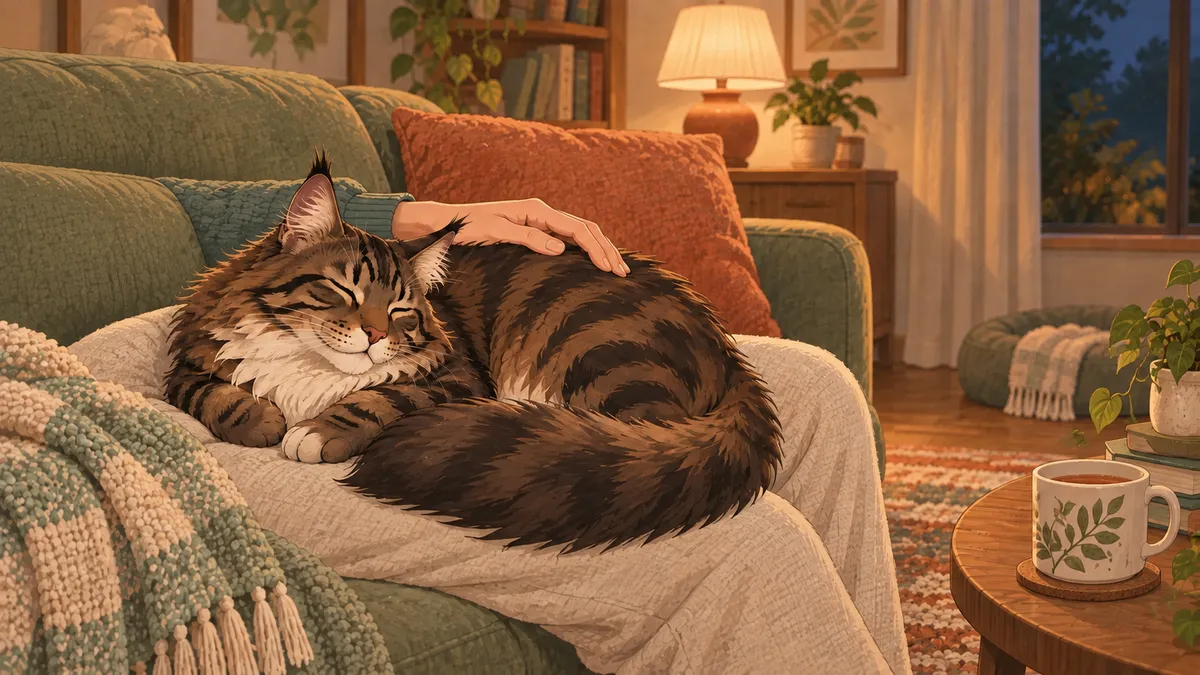
A tail that twitches while your cat dozes is normal. Cats Protection says that often when we think our cats are asleep, they’re still alert to what’s around them, and you might see their ears move or their tail twitch as they keep a lookout.
In deep sleep it’s more often the mouth or paws that twitch. Cats Protection calls this completely normal and thinks it’s likely dreaming, though it admits we can’t know for sure, because REM sleep isn’t proof of a dream. Either way, a twitching tail in sleep isn’t a request for a stroke.
How to stroke a cat without the tail swish
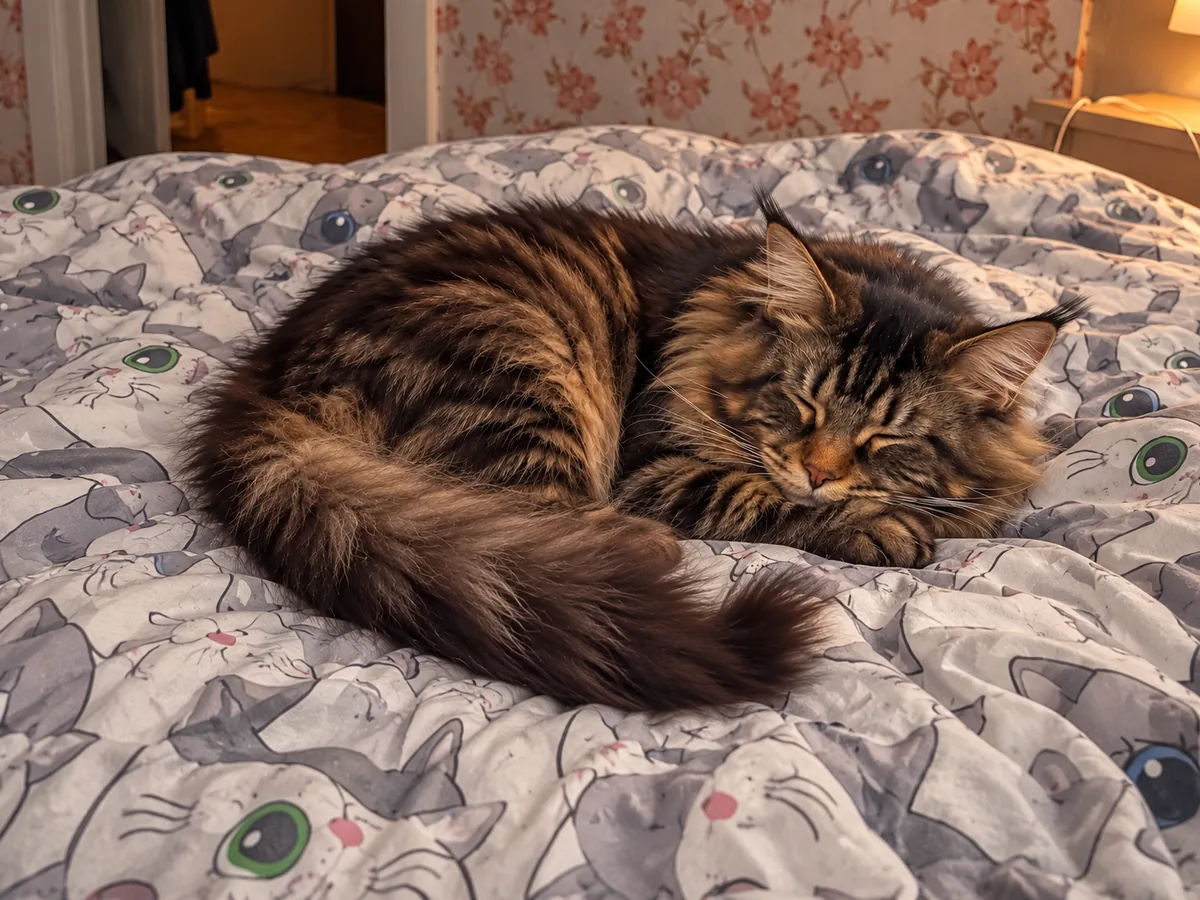
Keep it short and gentle. International Cat Care suggests stroking for 3–5 seconds, then pausing to let your cat decide whether to carry on. Battersea’s test is much the same: pause after 3 seconds, and if your cat doesn’t push back into your hand, they’ve probably had enough for now.
With a cat who often lashes their tail during a fuss, Cornell suggests rewarding brief, light strokes with a treat when your cat stays calm. Over time you can make the strokes a little longer, but at any sign of aggression, stop. Cats Protection suggests several short bursts of play or fuss spread through the day.
When a wagging tail is a reason to see the vet
Cats Protection says rapid or unusual tail movements can mean a cat is frustrated or in pain or discomfort. If you see your cat wagging their tail like this along with other changes in their behaviour, get in touch with your vet.
Cats are particularly good at hiding pain. Cats Protection lists signs such as becoming less tolerant of people, hiding more than usual, crouching hunched up with squinty eyes, eating or drinking less, and crying out when moving or using the litter tray. Some cats purr when they’re in pain.
The ASPCA says a cat can lash out when they’re hurt, and that a cat with an aggression problem should always be checked for a medical cause. A cat who used to enjoy a fuss and now lashes and snaps the moment you touch them needs a vet check first.
What a week of tail notes can look like
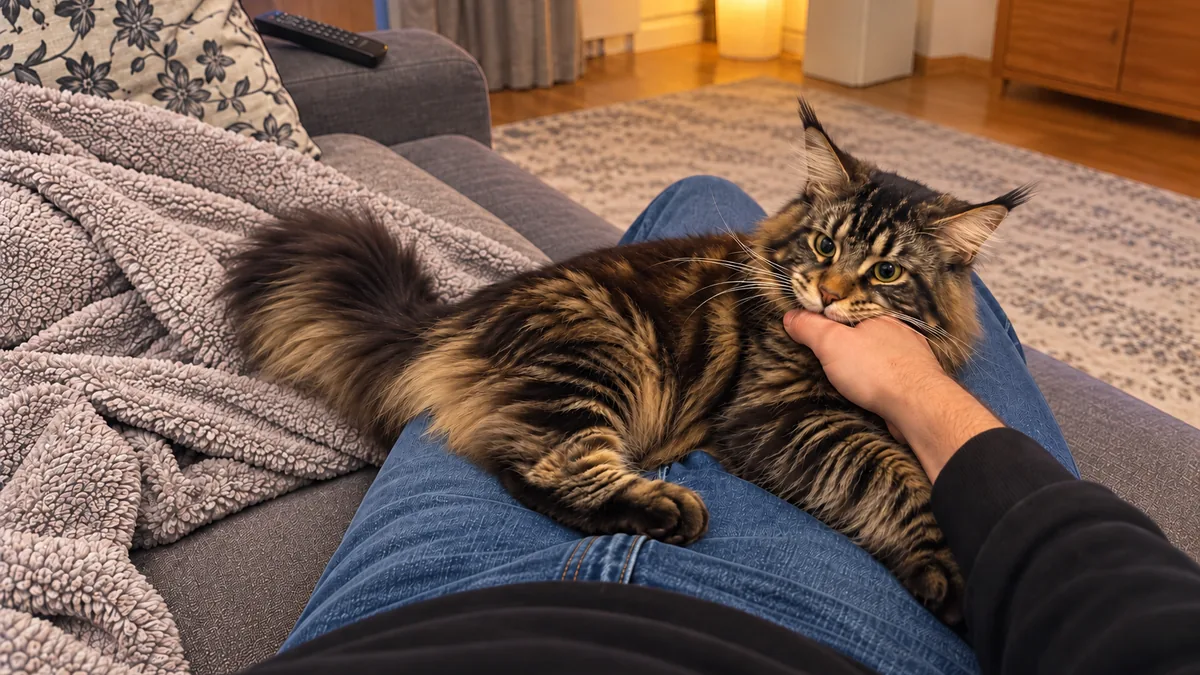
Sun, evening: lying on the sofa while I read, tail tip lifting and dropping slowly. Purring. Short strokes on the head, tail stayed soft.
Tue: about a minute of stroking down her back, then the tail started thumping the cushion and her ears turned sideways. I stopped. She washed and fell asleep.
Thu, night: asleep on the bed, tail tip twitching each time the radiator clicked.
Notes like these show where your cat’s line is. Here it’s about a minute on the back, while short strokes on the head are fine. If the tail starts lashing sooner than it used to, the same notes help your vet see what changed.
Questions people ask
Is a cat wagging their tail happy or mad?
It depends on the wag. Battersea says a content cat’s tail may wave gently and rhythmically, but it shouldn’t swish, thrash or thump. PDSA says that if your cat twitches their tail rapidly back and forth, they’re often getting upset or angry.
Why does my cat wag their tail while lying on their back?
A cat lying on their back or side with the tummy showing is often relaxed. PDSA points out that rolling over doesn’t usually mean they want a belly rub, and Battersea puts the tummy among the places most cats won’t like being stroked. If the tail starts swishing as your hand gets close, take that as a no.
Why does the tip of my cat’s tail twitch?
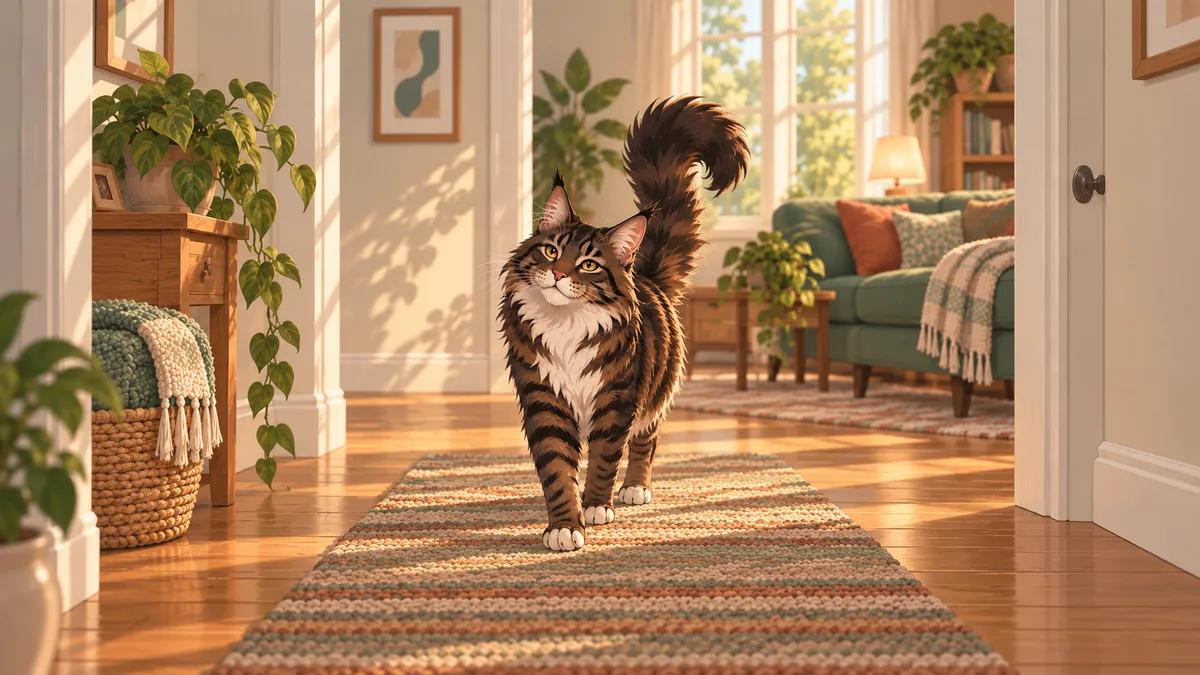
When your cat walks towards you with their tail up, PDSA says it’s often a greeting, and the top of the tail may twitch as part of it. PDSA adds that a cat may also flick their tail when they feel threatened or annoyed, so check the ears and the rest of the body.
Why does my cat wrap their tail around me?
Cats Protection says a tail wrapped around you is like a hug from your cat. Between cats, International Cat Care says that intertwining tails is believed to be a form of social bonding.
Should I touch my cat’s tail?
Better not. Cats Protection says most cats don’t like having their tails touched, and Battersea puts the base of the tail, along with the tummy, in its red zone: the places most cats won’t like being stroked. Cheeks, head and chin are the safer bet.
Sources and further reading
- Cats Protection — Cat tail meanings
- International Cat Care — Cat communication
- International Cat Care — Handling and interactions
- PDSA — Cat body language
- Battersea — Is my cat happy?
- Battersea — How to stroke a cat and interact with them
- ASPCA — Aggression in cats
- Cornell Feline Health Center — Feline behavior problems: aggression
- Cats Protection — Why does my cat purr?
- Cats Protection — Cats and sleep
- Cats Protection — Do cats dream?
- Cats Protection — Signs of pain in cats