Lapka
Lapka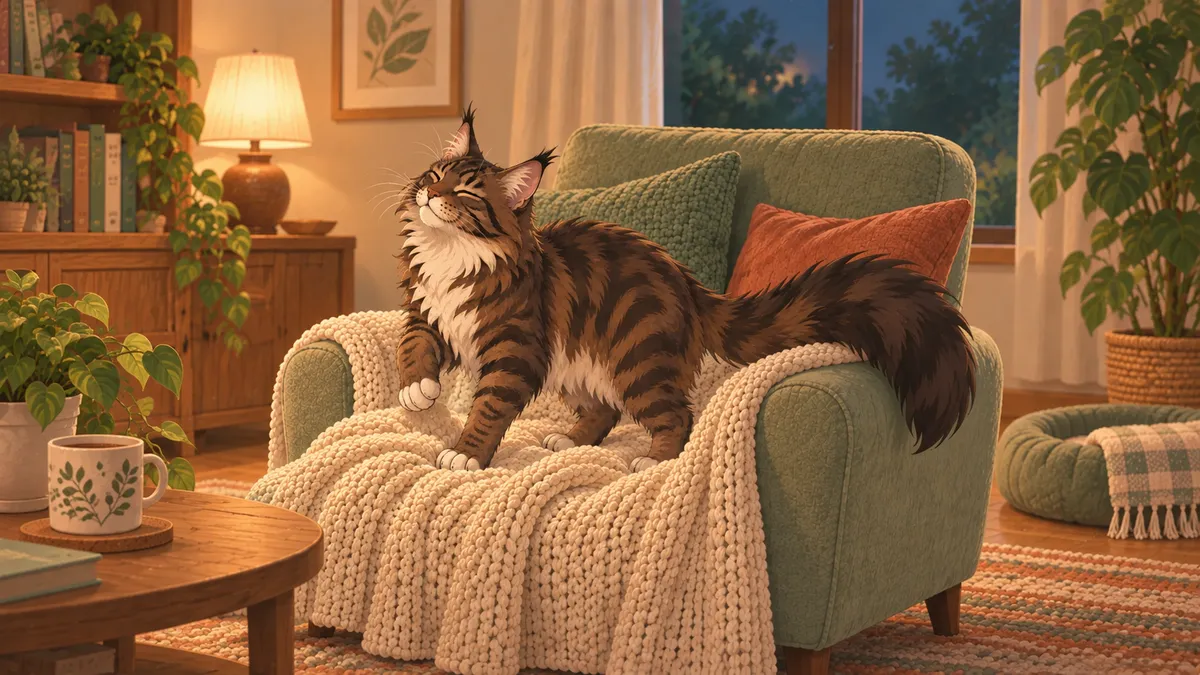
The short answer
Cats knead, or “make biscuits”, because the habit begins in kittenhood: nursing kittens push their front paws against their mother to help the milk flow. Some cats keep doing it as adults, mostly on a soft blanket or a person they feel safe with; nobody knows exactly why, but the most popular explanation is that it still feels as good as it did then. It’s normal, so never punish it, and if the claws hurt, put a thick blanket on your lap.
What kneading looks like
Your cat presses one front paw and then the other into something soft, in a steady rhythm, rather like someone kneading dough. Some cats keep their claws in; others let them out with each push, which is why it can hurt through thin clothes.
It goes by plenty of names: pawing, making biscuits, playing the piano. Cats do it on blankets and cushions, and on whichever person they happen to be standing on at the time.
Where kneading comes from
Kneading begins in the nest. Nursing kittens tread with alternate front paws on their mother’s belly, around the teat, to help the milk flow, and they’re rewarded with milk. Kittens often purr as they suckle, while their mother purrs to let them know all is well.
Most cats grow out of kneading once it’s no longer needed. A few keep it into adulthood, and it shows up mostly around someone they feel safe with, or on a fluffy cushion or blanket.
Why adult cats keep kneading
Nobody knows for certain. An adult cat gets no milk for kneading, but cats rarely do anything for no reason, so there is probably something in it for them. Cats Protection describes three ideas.
The most widely shared is that it still feels good, bringing back the contentment of kittenhood, perhaps through feel-good chemicals in the brain. The second is that it’s close to automatic, set off by certain textures under the paws. The third, with less support, is that it was inherited from wild ancestors patting down long grass to make a bed, although African wildcats usually prefer to sleep somewhere raised. Either way, a soft bed off the ground is worth having.
Why your cat kneads you
International Cat Care reads kneading on your lap or chest as a sign that your cat links being with you to being with their mother as a kitten. Cats Protection calls it a sign of contentment, even if claws digging into your lap feel anything but relaxing. On a fluffy blanket or cushion, the texture alone may be enough to start it.
You may read that kneading is scent marking. Cats do have scent glands in their paws, and scratching leaves scent behind, but the kneading guides from Cats Protection and International Cat Care don’t mention marking; they point to kittenhood and comfort.
Purring and drooling while kneading
Kneading often comes with a purr. If your cat’s ears and whiskers are relaxed and their pupils small, the purr most likely means they’re happy. A purr alone proves nothing, though: cats also purr when stressed, unwell or in pain, so look at the whole cat.
Some cats drool as they knead, sometimes a lot. International Cat Care links this to kittenhood, when kneading meant milk was on its way, and Cats Protection to pleasure. Plenty of happy cats never drool, and that’s normal too.
When the claws come out
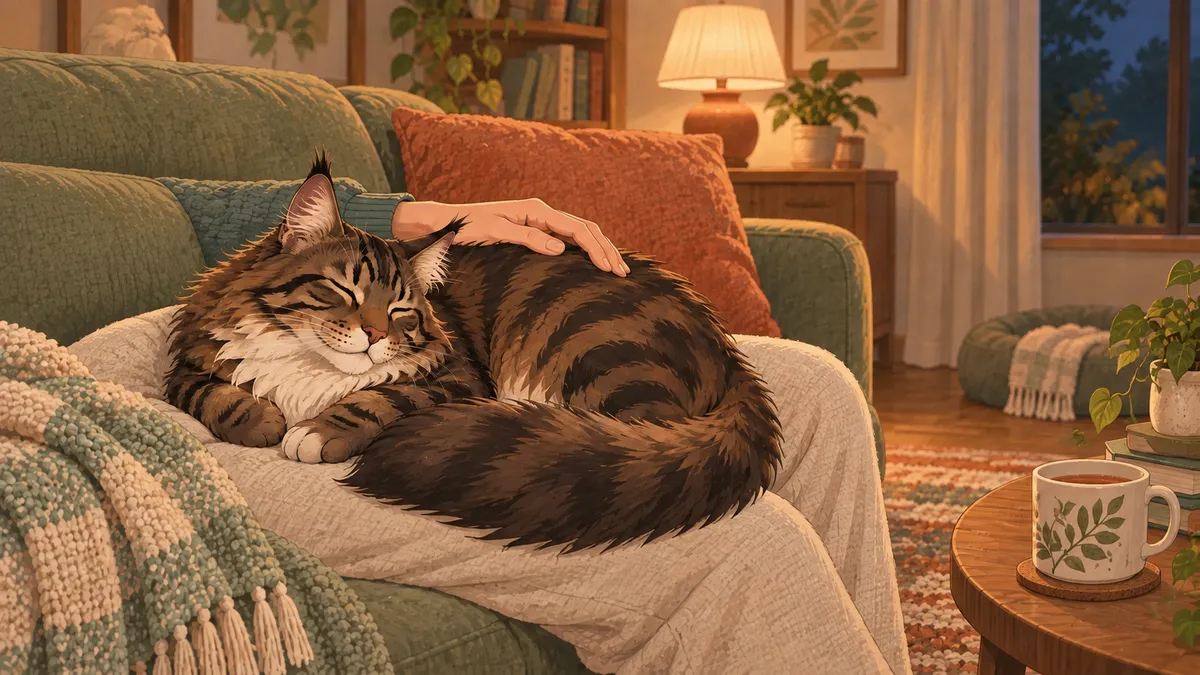
You don’t need to stop the kneading, only to protect yourself. Keep a thick folded blanket or towel by your usual seat and put it on your lap before your cat settles. If the claws are already in, slide the blanket under the paws or gently move your cat onto it.
Don’t grab or hold the paws to stop it. Paw pads are packed with nerve endings, and having their toes touched unexpectedly can be an uncomfortable surprise for a cat.
And never punish kneading. Your cat doesn’t understand that it hurts, and punishment can damage your bond and teach them to fear you.
Do the claws need trimming?
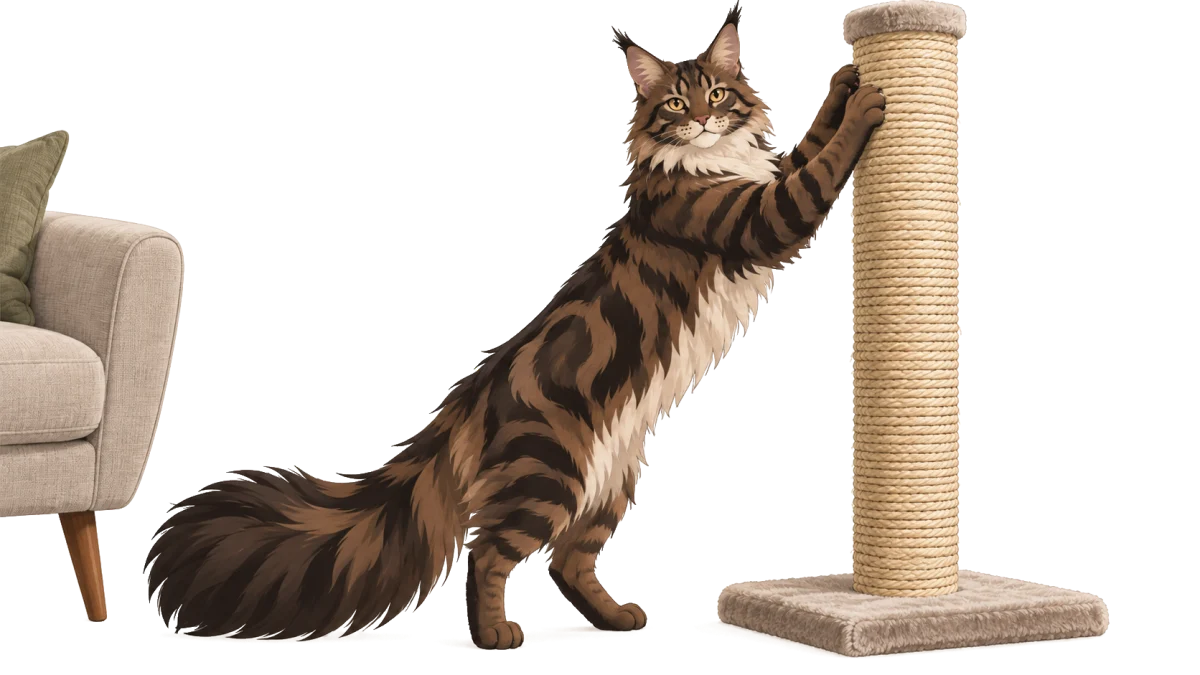
Probably not. Scratching keeps claws in good condition and sheds their worn outer layer. Cats Protection and International Cat Care both say most young, active cats don’t need trims; cats need sharp claws to climb, hunt, play and defend themselves, and plenty of good places to scratch. Both also advise against claw caps, which can distress cats.
Older cats, or cats with stiff, painful joints, may scratch less and need help. Signs that claws are too long include catching on blankets or carpets, claws visible while your cat rests and tapping on hard floors. If you notice these, or a claw seems to be growing into a pad, ask your vet, who can trim them and show you how: cat clippers, never human ones, just the tip, well clear of the pink quick, one paw at a time and a treat at the end.
Getting your cat used to having their paws touched helps at vet checks too. The ASPCA suggests holding a paw gently for no more than three seconds, following it rather than squeezing if your cat pulls away, then giving a treat, with a different toe every other day. If you enjoy slow, rewarded practice like this, Lapka’s High Five trick works the same way: step by step, your cat learns to rest a paw in your open palm.
When to talk to your vet
Kneading itself is normal, but a few things around it are worth a vet’s opinion. Drooling that is new, excessive, constant or smelly can point to problems such as dental disease or nausea. Any change in behaviour counts too: if a cat who always kneaded and purred suddenly stops, or starts doing it far more or in unusual situations, get them checked.
Sucking or chewing fabric is another matter. It’s relatively rare, may be a way of seeking comfort and is seen more often in Siamese, Burmese and other Oriental breeds; wool is a favourite target. The danger is swallowing: bits of fabric can block the gut, which can be life-threatening. Talk to your vet, keep tempting fabrics out of reach and never punish it. If your cat swallows fabric, watch for vomiting, diarrhoea, constipation, tiredness or a poor appetite, and call your vet if you see them.
A kneading note worth keeping
Sunday evening, sofa. Climbed onto my lap after dinner, purring, and kneaded for about two minutes, claws through my jeans. Slid the grey fleece under her paws: she kept kneading on it, then curled up. Small damp patch of drool, as usual. No sucking or chewing the fleece. Claws caught in it twice.
A few notes like this show what’s normal for your cat, so a change, such as new drooling, sucking the fabric or claws that keep catching, stands out and is easy to describe to your vet.
Questions people ask
Why does my cat knead me?
Because you’re someone they feel safe with. International Cat Care says a cat kneading your lap or chest associates your relationship with the one they had with their mother as a kitten. So take it as a compliment, claws and all: your cat doesn’t understand that they hurt.
Why does my cat knead and then bite?
Kneading while you stroke them, with loud purring and maybe some drool, means your cat is stimulated, and some cats tip over into overstimulation and grab or bite. Don’t punish it: stay calm, move away and give them time to settle. If it happens often, several short bursts of fuss spread through the day help keep their excitement balanced.
My cat never kneads. Is that normal?
Yes. Most cats grow out of kneading once it’s no longer needed, so a cat who doesn’t knead can be just as content. What matters is change: if a cat who always kneaded suddenly stops and other things change too, talk to your vet.
Is kneading a sign of early weaning?
Not necessarily. Cats Protection says no one really knows why some cats carry kneading into adulthood. International Cat Care notes that early weaning and small litters have been linked with pica, such as eating wool, in Birman cats but not in Siamese cats.
Sources and further reading
- Cats Protection — Why do cats knead? Kneading behaviour explained
- International Cat Care — Why do cats..?
- Cats Protection — How to tell if your cat is happy
- Cats Protection — Why does my cat purr?
- Cats Protection — Why does my cat dribble?
- Cats Protection — Cat drooling and other cat dental issues
- Cats Protection — How to trim cat claws
- International Cat Care — Trimming your cat’s claws
- ASPCA — Cat Grooming Tips
- International Cat Care — Pica in Cats
- Cornell Feline Health Center — Feline Behavior Problems: Destructive Behavior