Lapka
The short answer
A cat who drools a little when you pet them is usually relaxed and happy. Cats Protection says drooling while a cat purrs or kneads is thought to be a physiological response to pleasure: kneading and purring release feel-good hormones called endorphins. Plenty of cats never drool, and that’s normal too. See your vet if the drooling is new, excessive, constant or smelly, because dental disease, nausea or a poison can cause it.
Why does my cat drool when I pet him?
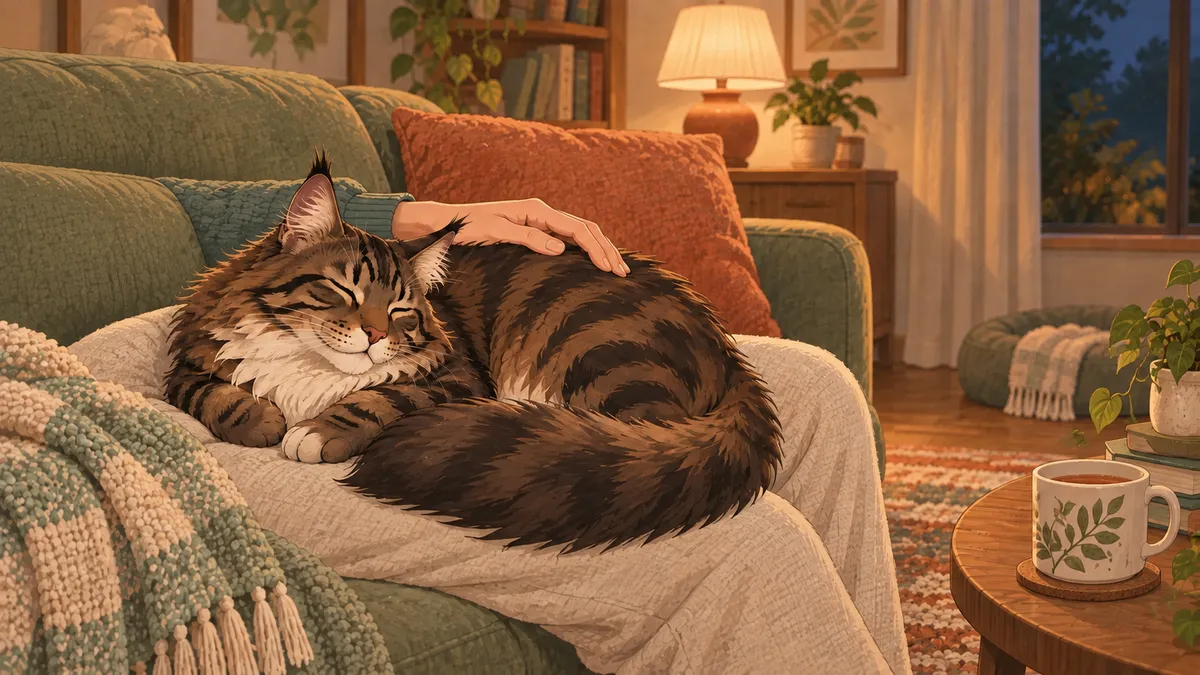
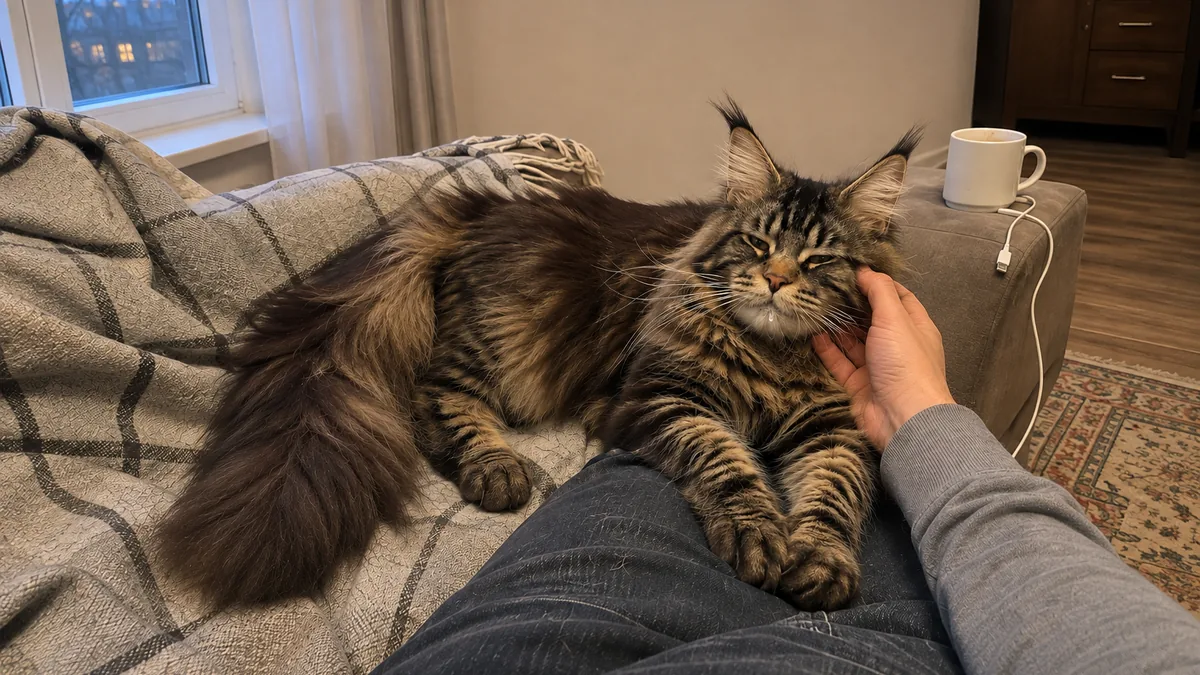
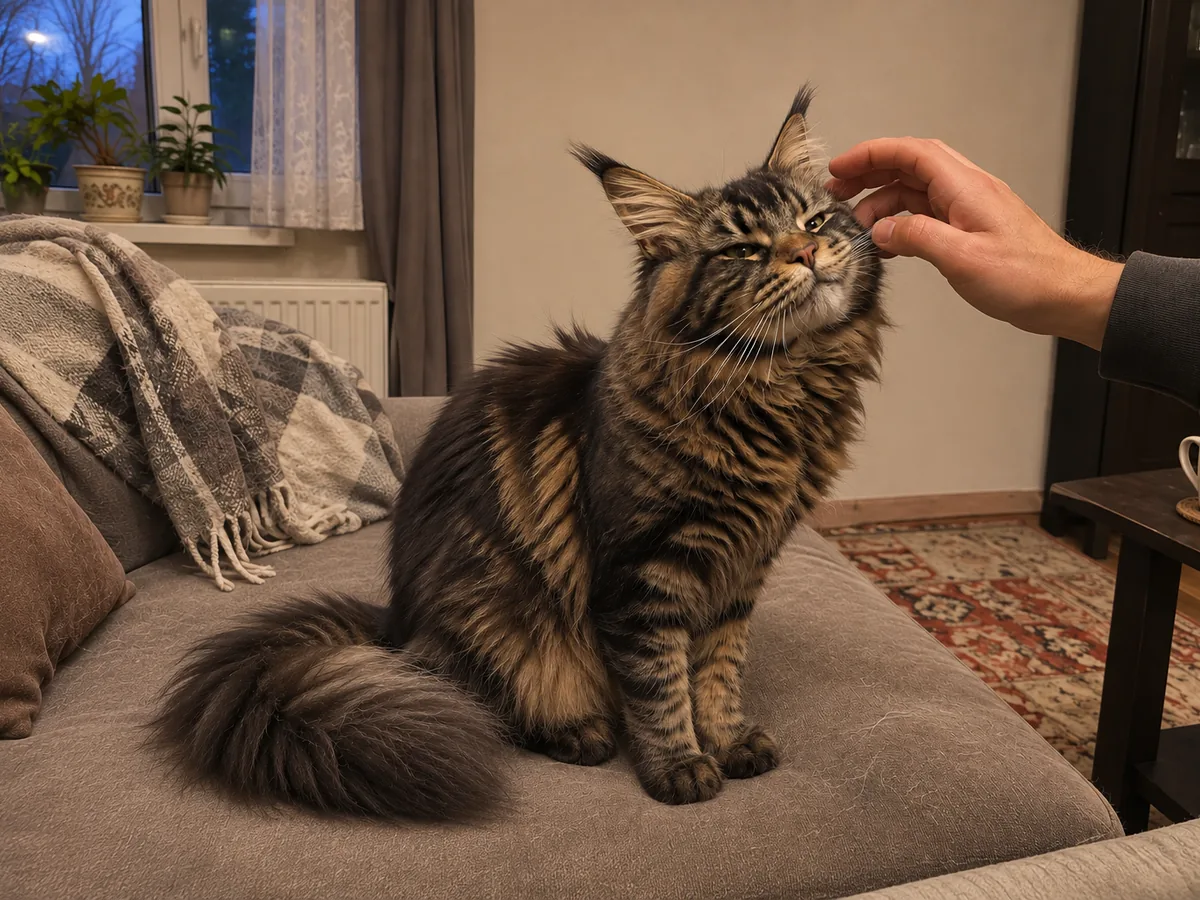
Usually because the stroking feels good. Cats Protection, a UK cat charity, says some cats drool when they’re relaxed and happy, and if your cat enjoys being stroked, drooling can be a sign of contentment. Vanessa Howie, one of its vets, puts it plainly: some cats drool in excess when stroked, or when they’re kneading and purring.
To be sure, look at the rest of your cat. Battersea describes a cat who is enjoying it: relaxed, with no tension in the body, seeking out the strokes, and following you if you move away or stop.
Drool can come from stress too. Cats Protection says a nervous or overstimulated cat may drool as well, so the body tells you more than the drool does.
Why does my cat drool when she purrs?
Purring, drooling and kneading often turn up together. Cats Protection says loud purring while you stroke or play with your cat means they’re stimulated, and this kind of purring may come with kneading, drooling and licking.
The purr alone doesn’t tell you much, so look at the face and the tail. Relaxed ears and whiskers, small pupils, and a tail pointing up or curled around the body point to a happy cat. Ears flat or turned to the side, wide pupils, and whiskers pointing forwards or down mean your cat is probably stressed, even while purring.
Why does my cat drool when making biscuits?
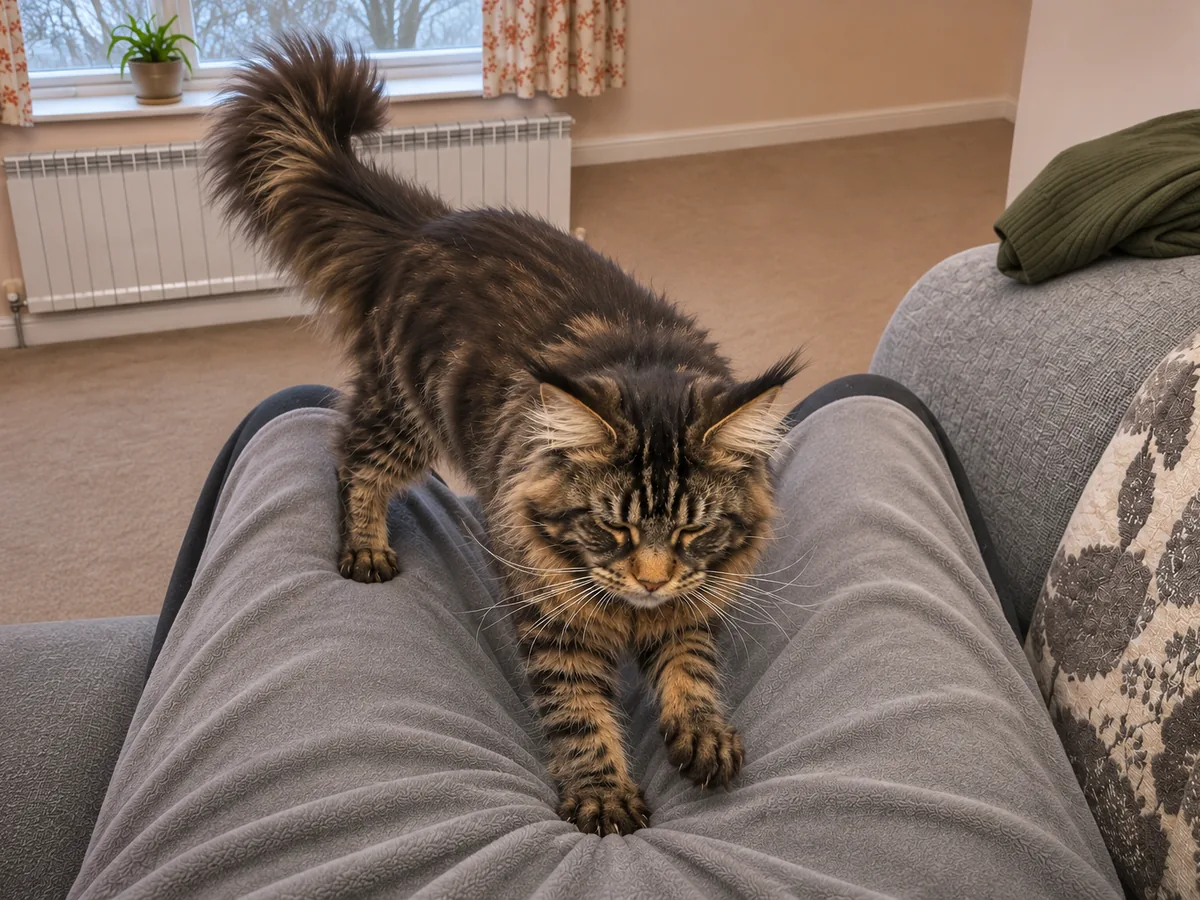
Kneading, or making biscuits, is the slow push of the front paws, one after the other, as if working dough. Cats Protection says drooling while a cat purrs or kneads is thought to be a physiological response to pleasure. Kneading and purring release feel-good hormones called endorphins in the brain, which help reduce stress and anxiety and can sometimes lead to drooling.
So a cat kneading a blanket on your lap with a wet chin is most likely having a nice time. A thick blanket or a folded towel over your knees keeps both the claws and the drool off your clothes.
Why does my cat drool on me?
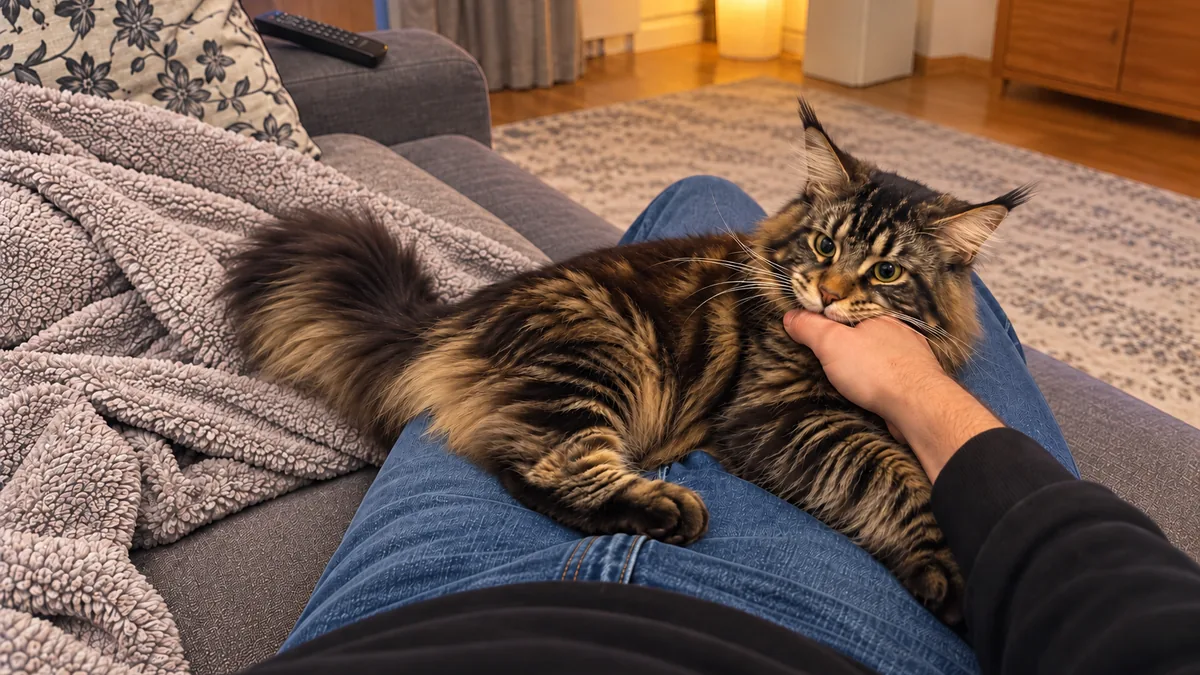
The stroking happens on your lap, so that’s where the drool lands. You can carry on stroking. Cats Protection says that’s fine, but if your cat starts to get aggressive, biting or scratching, they may be overstimulated, and it’s time to leave them alone for a while to calm down.
Battersea suggests a simple test: pause after 3 seconds of stroking. If your cat rubs against you for more, carry on. If not, they’ve probably had enough for now. Stick to the cheeks, head and chin, which lots of friendly cats enjoy, and leave the stomach and the base of the tail alone: most cats don’t like being stroked there.
Watch for the signs of a cat who isn’t comfortable: more tension, moving away, a sudden wash, shaking the head, rotating the ears, licking the nose. If your cat often bites while being stroked, Cats Protection suggests several short bursts of play or fuss spread through the day, and never punishing the bite.
Cat drooling when stressed, at the vet or in the car
Drool isn’t always a happy sign. Cats Protection says stressful events like vet visits, car rides or loud noises can trigger drooling. It’s often short-lived and stops once the cat calms down.
Car rides are one of them. Motion sickness is a common occurrence in many cats, and Cats Protection says its most common cause is anxiety and stress about travel. Watch for fast breathing or panting, a lot of lip licking and drooling, more meowing, vomiting, diarrhoea, or a cat who goes still and listless. Cats often drool profusely after a car ride because of motion-induced nausea. If you see these signs, tell your vet.
If the stress starts with the carrier itself, Lapka has a programme that makes the carrier the place dinner happens: one short step a day, adjusted after each session.
Cat drooling when sleeping or resting
A little drool on the cushion while your cat rests on your lap is usually no cause for worry. Cats Protection says occasional, light drooling usually means your cat is feeling happy and relaxed. New, excessive or constant drooling is a different thing and could have a medical cause.
Some cats drool more because of the shape of their face. Flat-faced breeds such as Persians, which vets call brachycephalic, may drool because their short face doesn’t keep the tongue inside the mouth.
And if your cat never drools at all, that’s normal too. Not all cats drool when they’re happy, and many never do.
Why does my cat drool so much?
Speak to your vet if your cat’s drooling is new, excessive, constant or smelly. Cats Protection lists the medical causes it can point to.
Dental disease: infections, gingivitis or broken teeth can cause pain and too much saliva. Something stuck in the mouth or throat, such as a chicken bone or a piece of string. A poison or a caustic substance: cats may lick cleaning products, plants or chemicals, which can cause ulcers or chemical burns in the mouth. Feline calicivirus, a common cause of mouth ulcers. Nausea, which comes with stomach and gut problems, kidney disease, car sickness or even seizures. And kidney disease, which can cause mouth ulcers too.
Vanessa Howie adds that drooling can be a sign of nausea and discomfort in the mouth or throat, and recommends a vet examination if it’s new behaviour for your cat. Only your vet can say which cause it is.
Drooling and your cat’s teeth
Dental disease is very common in cats. Cornell Feline Health Center says studies report that between 50 and 90% of cats older than four years of age suffer from some form of dental disease. With gingivitis, cats may be hesitant to eat, turn their head oddly while eating, stop eating, drool or get bad breath, and some start to prefer soft food.
PDSA, a UK vet charity, lists the other signs of a sore mouth: bad breath, mouth pain, eating less, weight loss, chewing on one side, visible tartar, red, sore or bleeding gums, wobbly teeth, swelling around the face, jaw or cheeks, and grooming less. International Cat Care adds pawing at the mouth.
No signs doesn’t mean no problem. International Cat Care says cats often hide pain, so it’s not uncommon for a cat to show no signs yet have severe dental disease. That’s one reason regular health checks with your vet matter.
When drooling means go to the vet now
Drooling that starts suddenly can be a sign of poisoning. Among the most common signs Cats Protection lists are salivation or drooling, vomiting, diarrhoea, twitching and fitting, confusion or a wobbly walk, breathing difficulties, and shock or collapse. These signs tend to appear suddenly.
If you can see what your cat got into, take them away from it and call your vet straight away. Take a sample of it with you if you can. Don’t try to make your cat sick or treat them yourself, and don’t wait to see if it passes.
Lilies are the most commonly reported poisoning in cats, Cats Protection says. Every part of the plant is toxic, and even a small amount can poison a cat.
What a week of notes can look like
Mon evening: on my lap after dinner. Loud purring, kneading the blanket. Two small wet spots on my jeans. Stops when I stop stroking.
Thu: home from the vet in the carrier. Drools a little in the car, stops about twenty minutes after getting out.
Sun: drooling on my lap again. Everything else as usual: eating, grooming.
Notes like these show when the drooling happens. Here it comes with purring and kneading, or with the car, and stops on its own. If it starts at other times, or your cat eats less, or the drool smells, the same notes help your vet.
Questions people ask
Is it normal for a cat to drool when happy?
Yes, for some cats. Cats Protection says occasional, light drooling usually means your cat is happy and relaxed, especially while purring or kneading. Not all cats do it, and many never do, so a cat who stays dry is normal too.
Do cats drool when they’re sad?
Not usually. Cats Protection says sadness in cats doesn’t usually show as drooling. Drooling is more likely to be linked to pleasure, pain, nausea or illness, so if your cat seems low and is drooling, see your vet.
Should I stop petting my cat when they drool?
No need, as long as they’re enjoying it. Cats Protection says it’s fine to carry on, and to leave your cat alone for a while if they start biting or scratching. Battersea suggests pausing after 3 seconds of stroking and letting them ask for more by rubbing against you.
Why is my cat dripping liquid?
From the mouth, that’s drooling. Light drooling now and then usually means a happy cat, but new, excessive or constant drooling can have a medical cause. From the back end, Cats Protection says it may be a digestive or urinary problem. Either way, if it’s new, speak to your vet.
What if my cat’s drool smells?
Smelly drool is one of the four things Cats Protection says to talk to your vet about, along with drooling that is new, excessive or constant. Bad breath is also one of the signs of dental disease that PDSA lists.
Sources and further reading
- Cats Protection — Why does my cat dribble?
- Cats Protection — Cat drooling and other cat dental issues
- Cats Protection — Why does my cat purr?
- Cats Protection — Poisoning in cats
- Cats Protection — Travelling with your cat
- Battersea — How to stroke a cat and interact with them
- Cornell Feline Health Center — Feline dental disease
- International Cat Care — Dental disease in cats
- PDSA — Dental disease in cats