Lapka
The short answer
Most of what cats hate, we do with good intentions: a bath, a belly rub when they roll over, being picked up and held, a long stare, a laser dot they can never catch, and strong smells such as citrus, perfumed cleaners and scented litter. What works instead is simple: stroke the cheeks and head, let your cat come to you, slow blink, and give them a box, a toy they can catch and bedding that still smells of them.
Do cats hate baths?
Most do, and most don’t need one. Cats typically spend between 30 and 50 percent of their day grooming themselves, Cornell Feline Health Center says, and Cats Protection says there usually isn’t any need to bathe a cat.
A bath can even do harm. It can strip the coat of the natural oils that keep the skin healthy and add a layer of waterproofing. It’s also stressful for most cats, who don’t like water or having certain parts of their body rubbed and touched. Cats Protection’s advice is to bathe your cat only if your vet has recommended it.
What to do instead: brush the dirt out of the fur. If a dry brush won’t shift it, wipe the fur with a soft, damp cloth.
Not sure your cat needs a wash at all? Do cats need baths? on Lapka Care goes through why most don’t, and who does.
Do cats hate belly rubs?
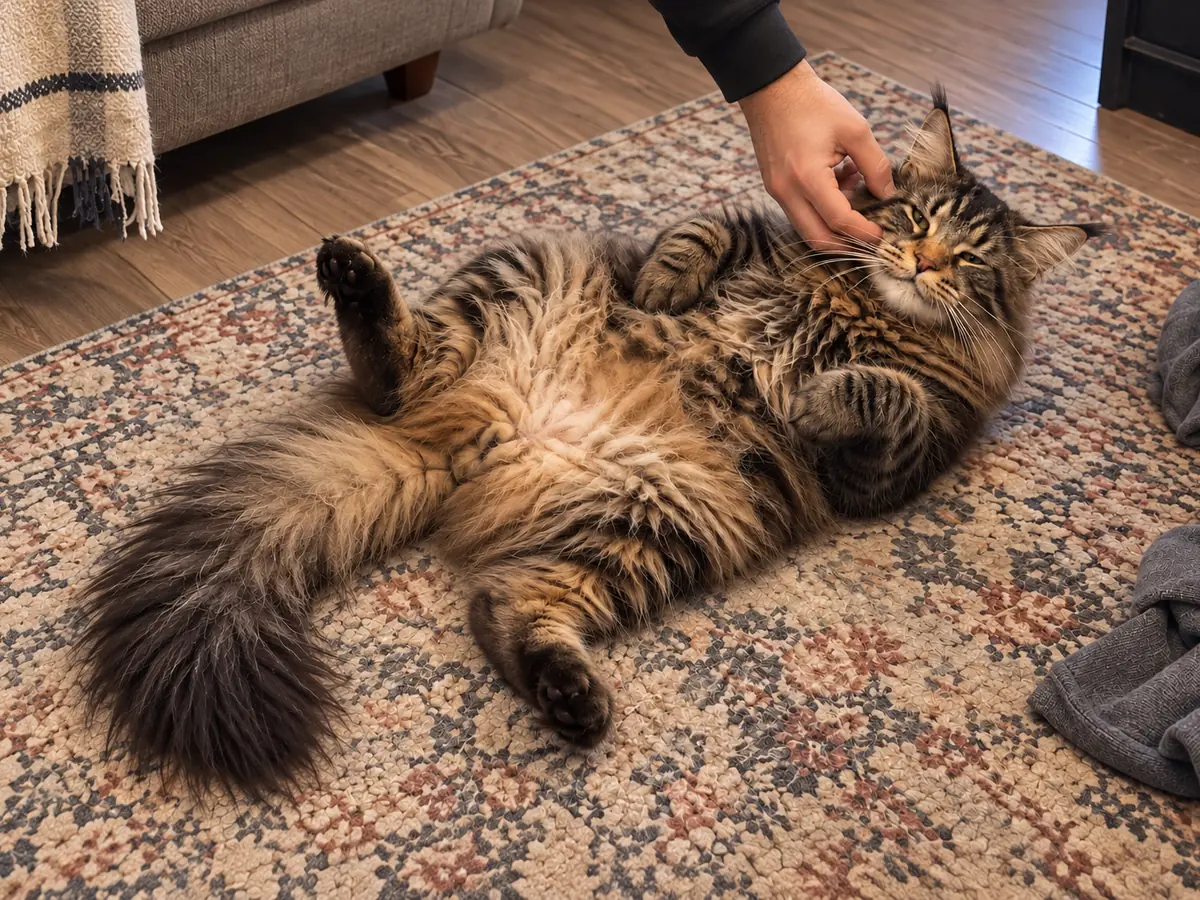
When your cat rolls onto their back and shows you their belly, take it as a compliment. Cats Protection reads it as a sign that your cat is comfortable around you and trusts you. International Cat Care calls it a social roll: usually a friendly greeting, and not an invitation for a belly rub.
The belly is a vulnerable spot. For most cats a rub there would be a betrayal of trust, Cats Protection says, and they may grab your hand and attack it, or run away. Battersea puts the stomach and the base of the tail in its red zone, where the majority of cats won’t like being stroked.
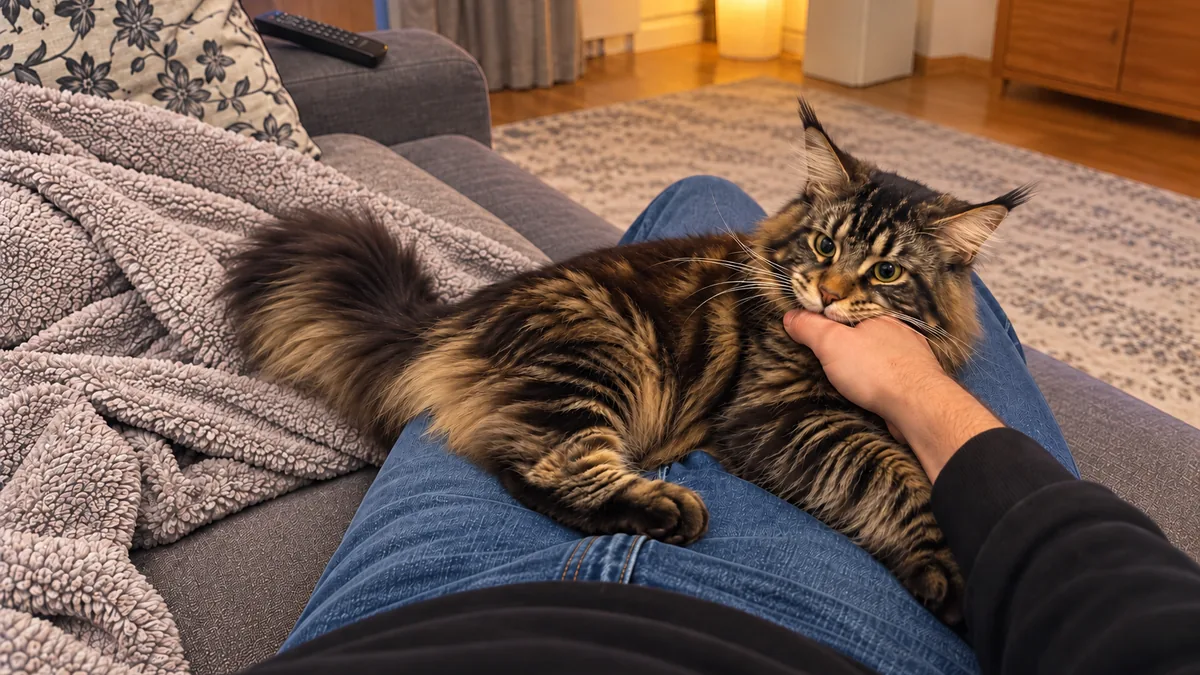
What to do instead: when your cat rolls over, gently stroke their head or cheeks. Cheeks, head and chin are Battersea’s green zone, the places lots of friendly cats enjoy a stroke.
Do cats hate being picked up?
Many do. Some cats enjoy being picked up and held, but many don’t enjoy being restrained like that, and Cats Protection says that’s completely normal. Vets at PDSA point out that for a cat who isn’t feeling sociable, being picked up can be very frustrating, especially as they don’t have a say over when the hugs end.
You can usually tell. A cat who isn’t a hugger scarpers when you come towards them with open arms, or dashes off the moment you let go. Leave a sleeping or hiding cat where they are. International Cat Care says a cat should never be held when they don’t want to be.
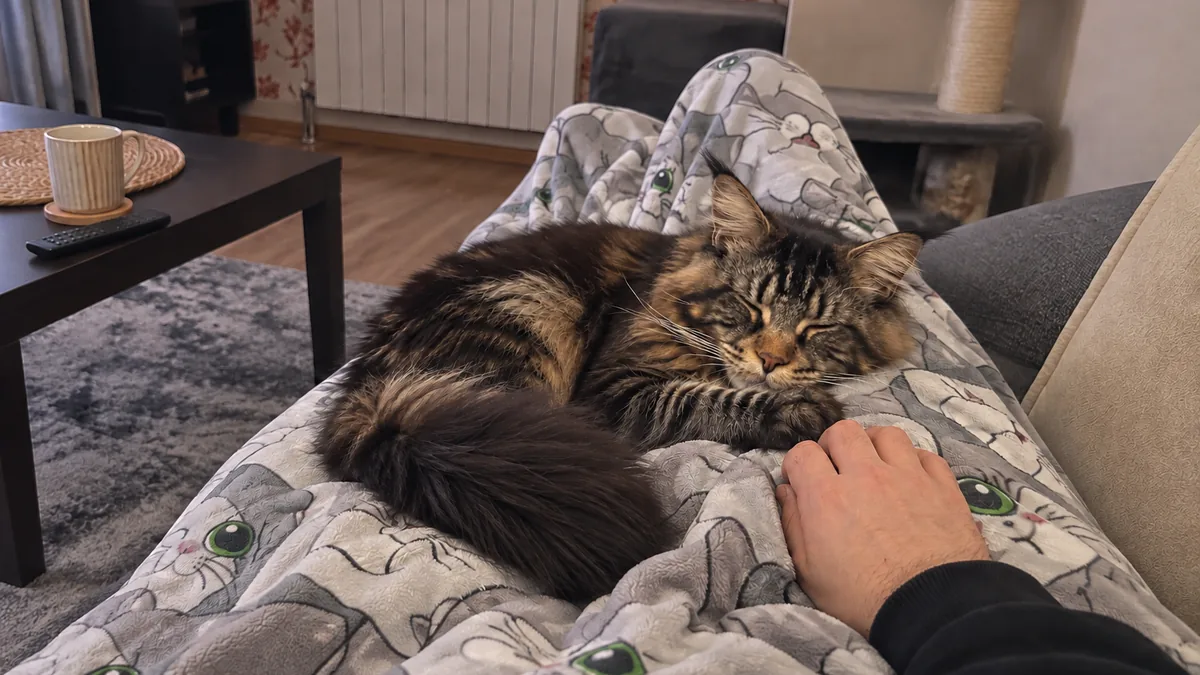
What to do instead: let your cat make the first move. It usually comes as a gentle rub against you. Let them come to you, and PDSA promises what it calls consensual kitty cuddles. A cat’s affection can’t be rushed, and keeping things on their terms is how they learn to trust you.
Do cats hate it when you stare at them?
A long stare can feel like a threat. PDSA says cats can find direct eye contact quite threatening: a cat wouldn’t look another cat straight in the face unless they were up for a fight.
A slow blink says the opposite. The eyes narrow, then close for a moment. University of Sussex researchers found that cats were more likely to slow blink at their owners after the owners had slow blinked at them. In a second test, with a researcher the cats didn’t know, they were more likely to approach the researcher’s outstretched hand after a slow blink. The first experiment had 21 cats from 14 households, the second 24 more.
To try it, Professor Karen McComb suggests narrowing your eyes as you would in a relaxed smile, then closing them for a couple of seconds. If your cat catches your eye, Cats Protection adds, blink slowly and then calmly look away.
Why “puss puss puss” isn’t the best way to call your cat
Most cats have learned that a person kneeling down and calling means fuss is on the way. The problem is the “s”. PDSA says that “s” noise really sounds like hissing to a cat’s ears.
Try meowing at them instead. Adult cats don’t really meow at one another, but they do use meows to talk to us.
Is a laser pointer bad for cats?
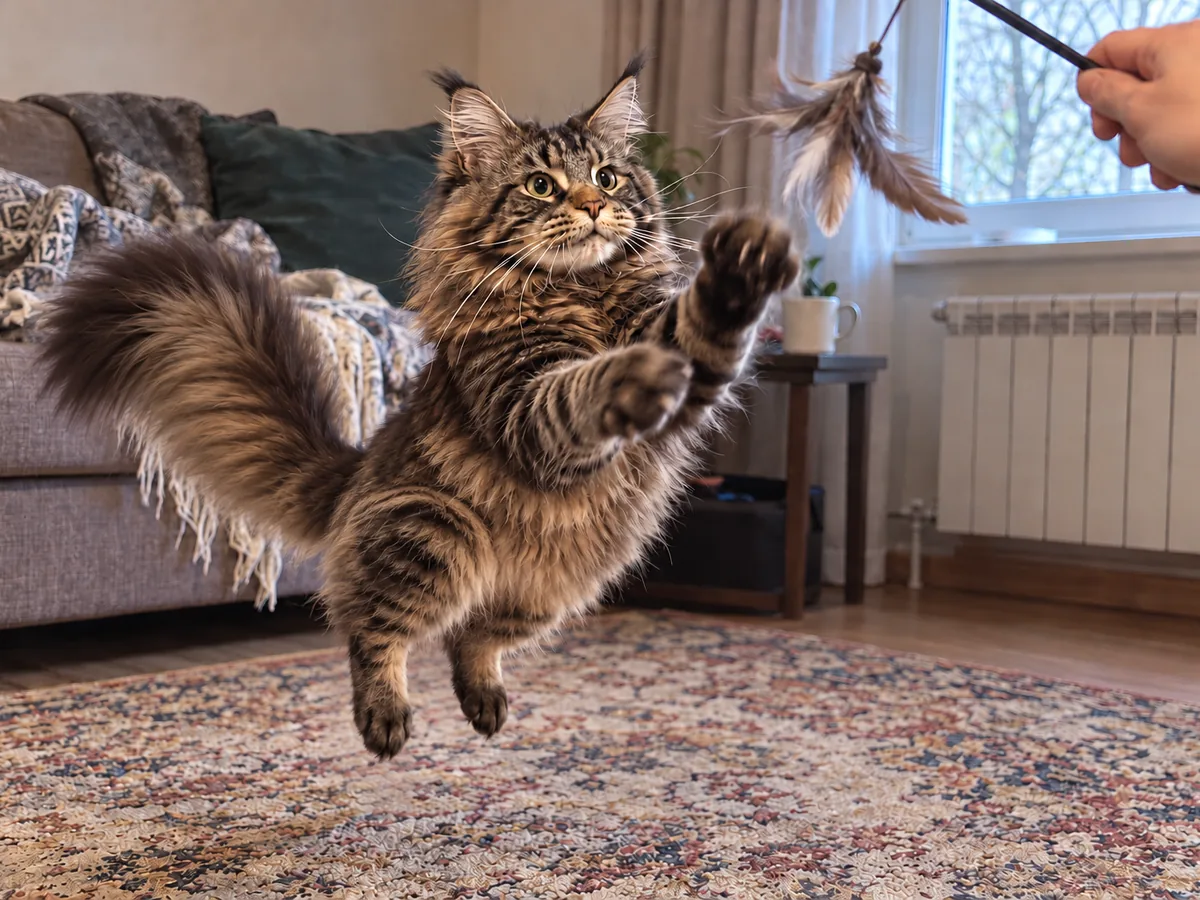
Cats love the chase, but a laser dot gives them nothing to catch. Vets at PDSA say this can leave your cat frustrated, still trying to get their paws on a prize that isn’t there. Cats Protection adds that tricking or teasing a cat with toys like lasers can lead to a lack of trust and build behavioural issues.
What to do instead: mix laser games with a game where your cat can catch something. A wand toy is great for this, or you can shine the dot onto a catnip-filled toy for your cat to pounce on. If you’d like those few minutes of play to turn into a trick, a Lapka programme plans the sessions and adjusts them after each one.
What smells do cats hate?
Their eyesight isn’t as strong as ours, so cats rely much more on scent and sound to understand the world around them, Cats Protection says. Its magazine adds they have 200 million scent receptors, more than most breeds of dog, so they are very sensitive to strong smells. A very strong scent can simply be too much for them.
PDSA says most cats really don’t like the smell of lemons and oranges. Any change to the way their home smells can be disorienting too, a bit like someone sneaking in and painting all your walls while you sleep.
What smells do cats hate that are safe?
Cats Protection keeps two lists. The first is its household cat deterrents, for keeping a cat away from one part of your home or garden: citrus fruits such as lemons, limes and oranges (the peel or the juice), cinnamon, bananas or banana peel, a lavender plant, a rosemary plant, a mint plant, including peppermint and spearmint, and paprika, used only a little.
The second is scents cats dislike just as much but that can be harmful to them, so never use these to keep a cat away: onion and garlic, coffee grounds, cayenne, black and white pepper, vinegar, bleach, essential oils, citronella oil or spray, the pennyroyal plant and mustard powder.
A plant and its oil are different things. A lavender or mint plant is on the first list, but Cats Protection says most essential oils are toxic to cats, among them lavender, peppermint, citrus, eucalyptus and tea tree oil. Keep your cat out of rooms with reed or plug-in diffusers, and don’t clean with essential oils. If you think your cat has touched or eaten one, contact your vet straight away, even if they seem fine. Call at once, too, if you see any of these signs: a lot of dribbling, shaking or trembling, being unsteady on their paws, dullness or lethargy, vomiting, trouble breathing or breathing with the mouth open, collapse or seizures.
Scented litter, air fresheners and lemon cleaners
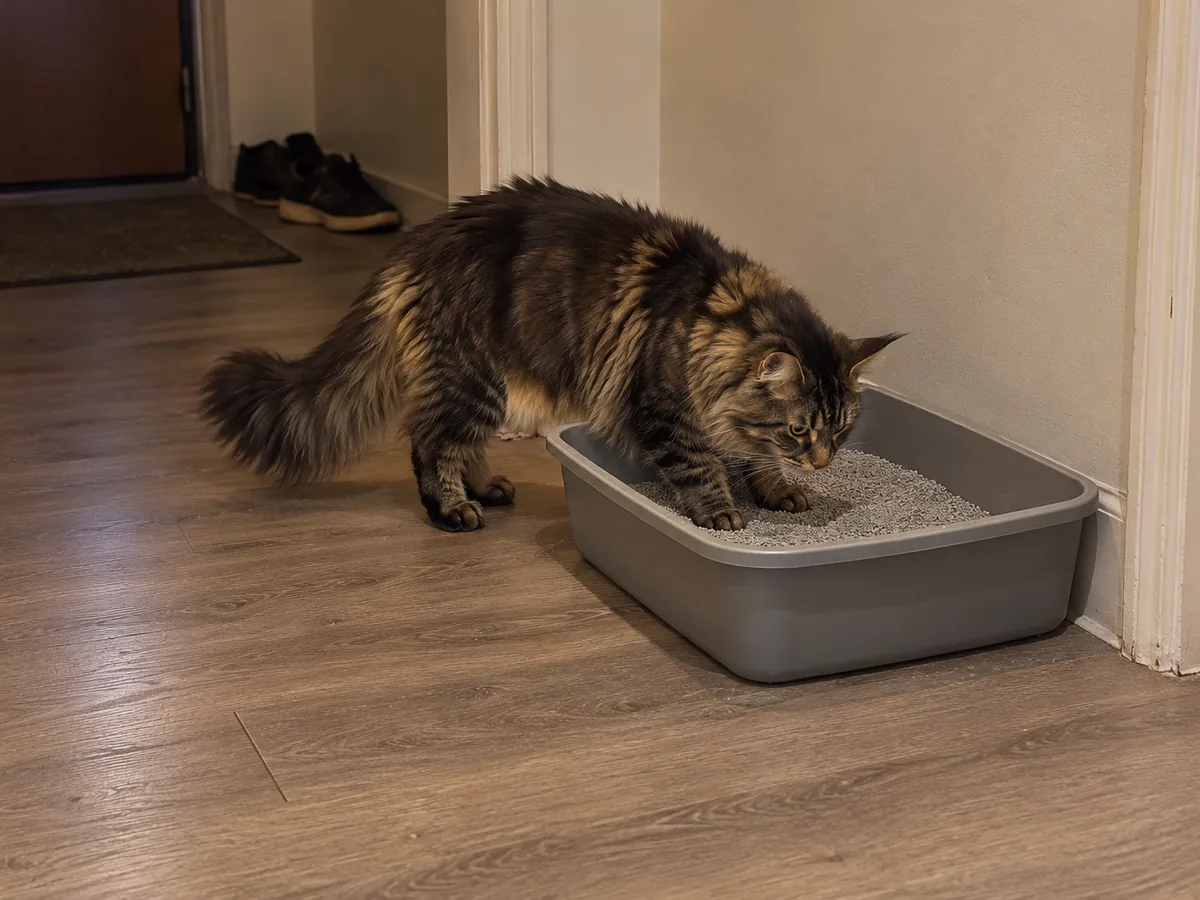
Fragrances that seem mild to us can be overwhelming to a cat, and Cats Protection says a strong scent may even put some cats off using their tray. The RSPCA says the same: don’t use very strong-smelling cleaners, air fresheners or scented litter. Cornell adds that most cats prefer unscented litter.
Keep smells down by cleaning the tray often, with hot soapy water or a cat-safe cleaner. Leave lemon-fresh cleaners out of it: PDSA warns they could put your cat off the tray. And if you’re cleaning up an accident outside it, Cornell says to avoid products with ammonia or vinegar, which smell like urine and can be irritating.
Bleach is the odd one out. Some owners have seen their cat take an interest in it, and Cats Protection explains why: the chlorine in bleach is believed to imitate the smell of certain cat pheromones. So don’t clean up cat pee with bleach, it says, because your cat is likely to pee on the same spot again. Bleach is also highly toxic to cats, so if your cat comes into contact with it, call your vet straight away.
Wash their bedding with a gentle detergent that isn’t full of strong smells, and not all of it at once. Your cat will be happier if at least one blanket still smells familiar.
What do cats love instead?
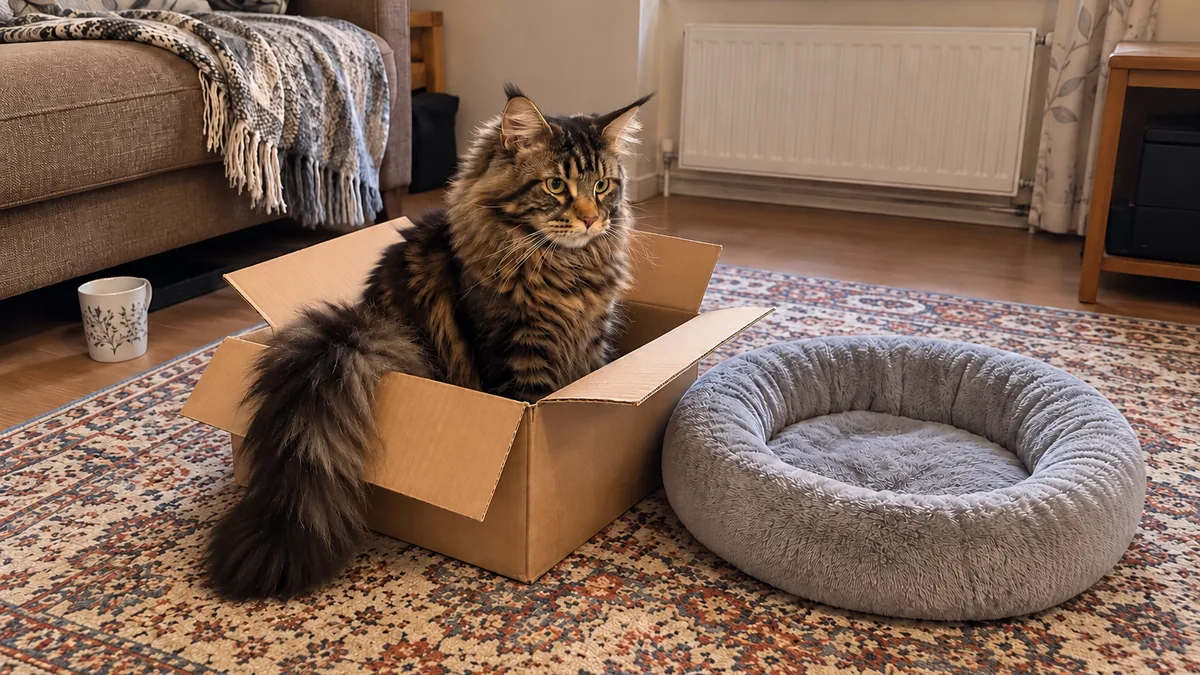
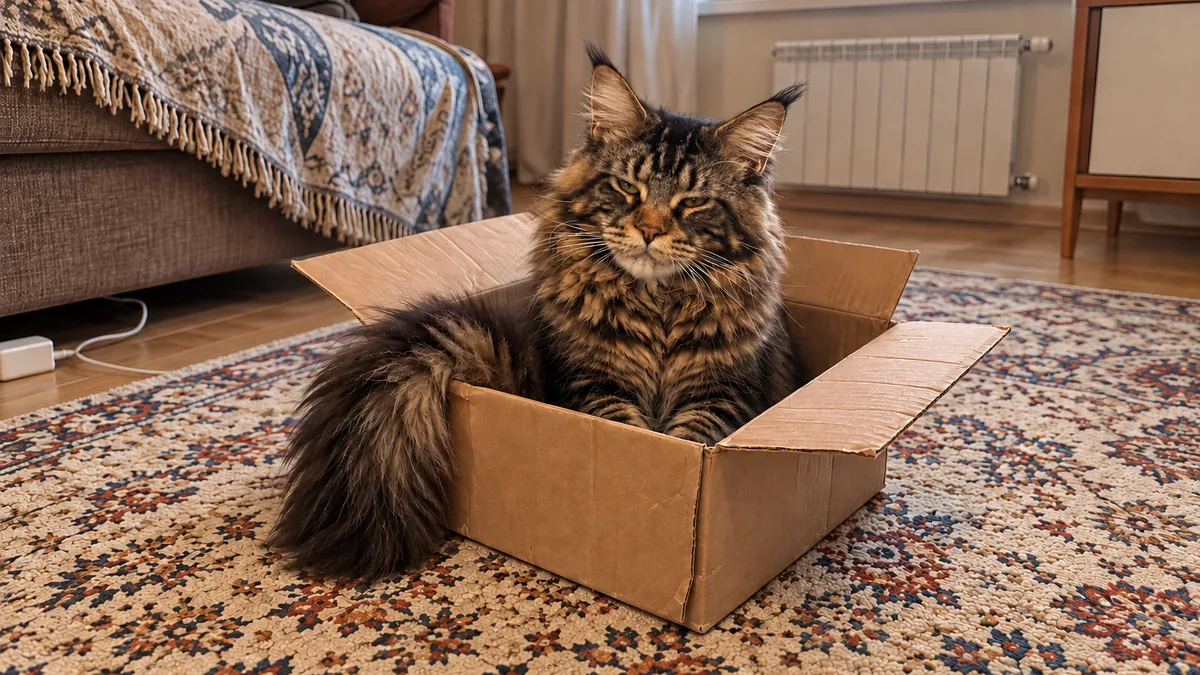
A box. In a Utrecht University study, 19 newly arrived shelter cats were split at random into two groups: 10 got a hiding box and 9 didn’t. On days 3 and 4 the cats with a box had lower stress scores. Both groups were at the same level by day 14, but the box group got there around day 3. These were shelter cats settling in, not pets at home.
Smells they like. Cats Protection names catnip, valerian, silver vine, honeysuckle and thyme, and says all these plants are safe for cats.
And the gentler version of everything above: a stroke on the cheeks and chin, a slow blink, a toy they can actually catch, and cuddles that start when your cat comes to you.
A week of small swaps, written down
Mon: rolled over on the rug when I got home. Stroked cheeks and chin instead of the belly. Pushed into my hand, no grabbing.
Wed: tried the 3-second pause. Rubbed against my hand twice, then walked off. Left it there.
Fri: unscented litter in, lemon spray out of the bathroom. Washed two blankets, kept the third as it was.
Sun: slow blinked across the sofa. Got one back.
Notes like these show which swaps your cat takes to. And if something changes, such as the tray suddenly being avoided, you have the before and after to show your vet.
Questions people ask
Do cats hate citrus?
Most do. PDSA says most cats really don’t like the smell of lemons and oranges, which is why gardeners recommend scattering citrus peel in flowerbeds. Cats Protection says the dislike usually stops cats eating citrus as well, which is lucky, because it’s bad for them and can cause stomach upset, vomiting and diarrhoea. A lick of your fingers after an orange is no reason to panic: a cat would need to eat an excessive amount to be in danger of a severe reaction. Citrus essential oil is toxic, though.
What smells keep cats away?
To keep your own cat off one spot, start with Cats Protection’s household deterrents: citrus peel or juice, cinnamon, banana peel, or a lavender, rosemary or mint plant. For a flowerbed it suggests leaving some orange peel among the soil, which may help. PDSA says lemon-scented cleaner on the kitchen counters might put a cat off exploring there, although it doesn’t always work. Never use the harmful ones, such as coffee grounds, vinegar, pepper or essential oils.
How do I know if my cat wants to be stroked?
Try Battersea’s 3-second rule. Stroke your cat for 3 seconds, then pause. If they rub against you to start again, they want more. If not, your cat has probably had enough for now. Cats Protection adds: stop straight away if your cat moves away, looks stressed, hisses, growls or tries to bite your hand.
My cat loves being held. Is that all right?
Yes. Some cats really do enjoy being picked up and held. Make sure they’re fully supported the whole time, and never hold a cat under the belly or let them dangle, which International Cat Care says can distress them. Give them the chance to move away whenever they want to.
Sources and further reading
- Cornell Feline Health Center — Cats that lick too much
- Cats Protection — Should I bathe my cat?
- International Cat Care — Handling and interactions
- Cats Protection — How do you pet a cat?
- Battersea — How to stroke a cat and interact with them
- Cats Protection — How do you pick a cat up?
- PDSA — 5 things you do that your cat secretly hates
- Cats Protection — 10 tips to get a cat to like you
- University of Sussex — Feline friendly? How to build rap-paw with your cat (2020)
- Utrecht University — Will a hiding box provide stress reduction for shelter cats? (Applied Animal Behaviour Science, 2014)
- Cats Protection — Why do cats hate citrus fruit?
- Cats Protection — Are essential oils dangerous to cats?
- Cats Protection — How to choose the best cat litter for your cat
- RSPCA — Keeping cats indoors
- Cornell Feline Health Center — Feline behavior problems: house soiling
- Cats Protection, The Cat magazine — Five facts about noses (spring 2022)