Lapka
Where to start
Yes, an adult cat can learn to use a litter tray, even one who has always gone outside. Set up a big, open tray with about 3 cm of fine, unscented litter in a quiet spot away from food, show your cat where it is and give them time. Scoop it twice a day, praise them once they step out, and never punish a miss. A cat straining with little or no urine needs a vet straight away.
Can you litter train an adult cat?
Yes. Cats are usually very clean, and Battersea says most cats will use a litter box naturally when the setup feels right. PDSA, the UK vet charity, adds that a newly adopted cat may have trouble with the tray at first, and older cats who aren’t used to one may not want to use it at first, especially if they’re used to going outside.
The instinct is already there. Domestic cats come from the African wildcat, which lives on sandy ground where it can bury its droppings. International Cat Care says cats will use a litter tray indoors if it’s provided, or loose earth or sand outside. Your job is to make the tray the best place indoors to do what your cat already does.
Expect some trial and error. The Scottish SPCA says litter training may take time, and finding what works for your cat can mean trying a few things.
Start with one quiet room
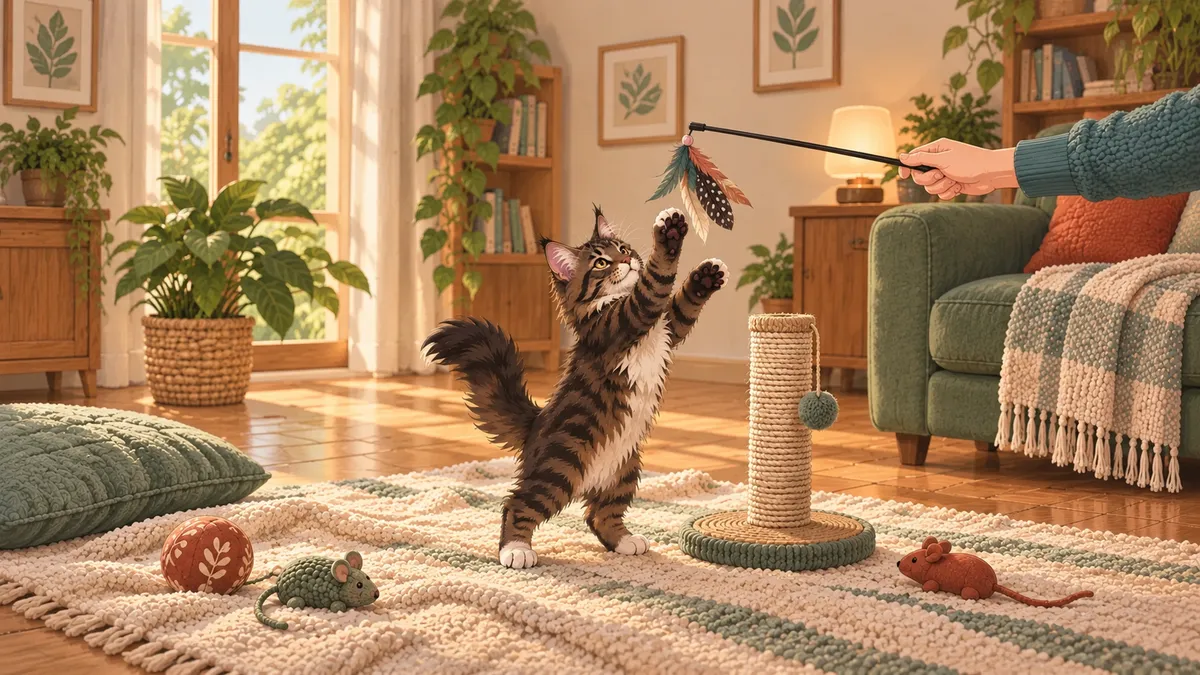
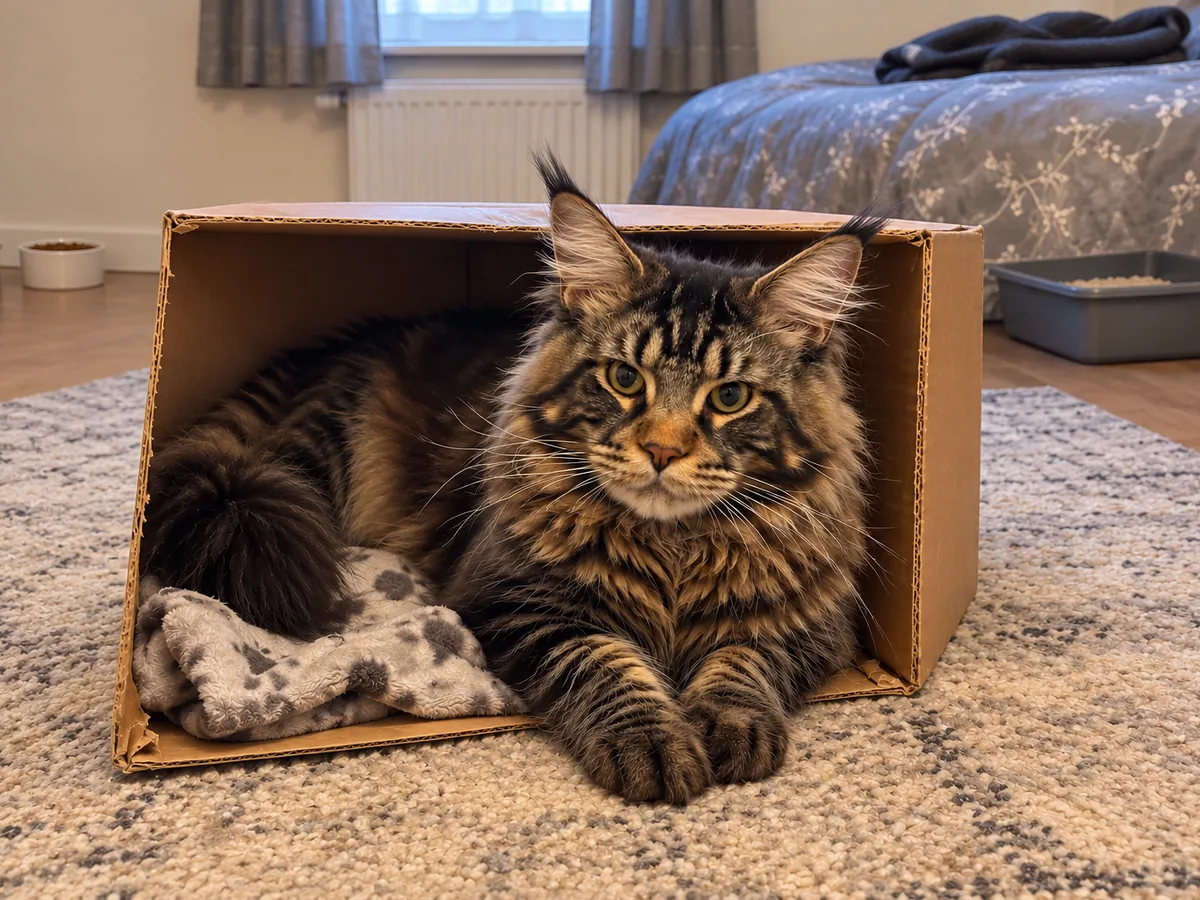
Before your cat comes home, set up a quiet room away from the busy parts of the house. Cats Protection suggests food and water in separate spots, at least one litter tray as far from them as possible somewhere private, a place to hide such as a cardboard box, a bed, a scratching post and a few toys.
International Cat Care says an adult cat may feel more comfortable in one room to start with. A confident cat who wants to explore doesn’t need to be kept there, unless you already have a cat. In one room, the tray is never far away.
Keep a new cat indoors for at least two to three weeks, International Cat Care advises, so they get used to their new home. Cats Protection usually suggests three to four weeks before the first trip outside. For a cat who used to live outdoors, those weeks are the tray’s chance to become the toilet.
Pick a tray bigger than you think
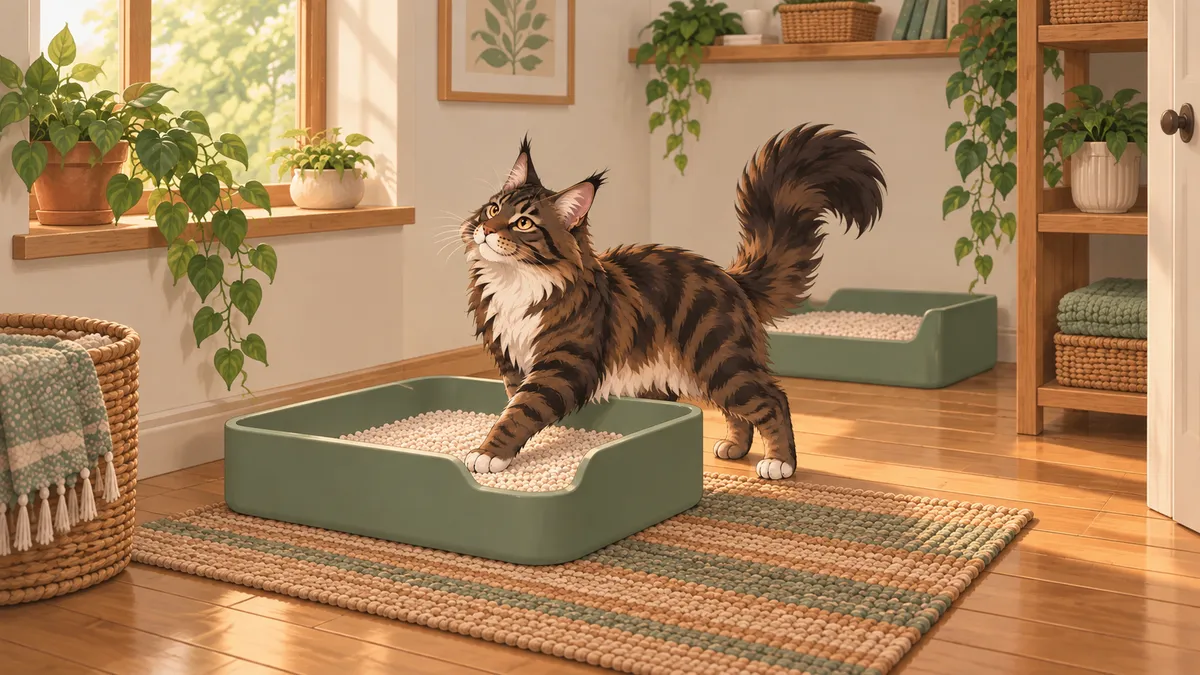
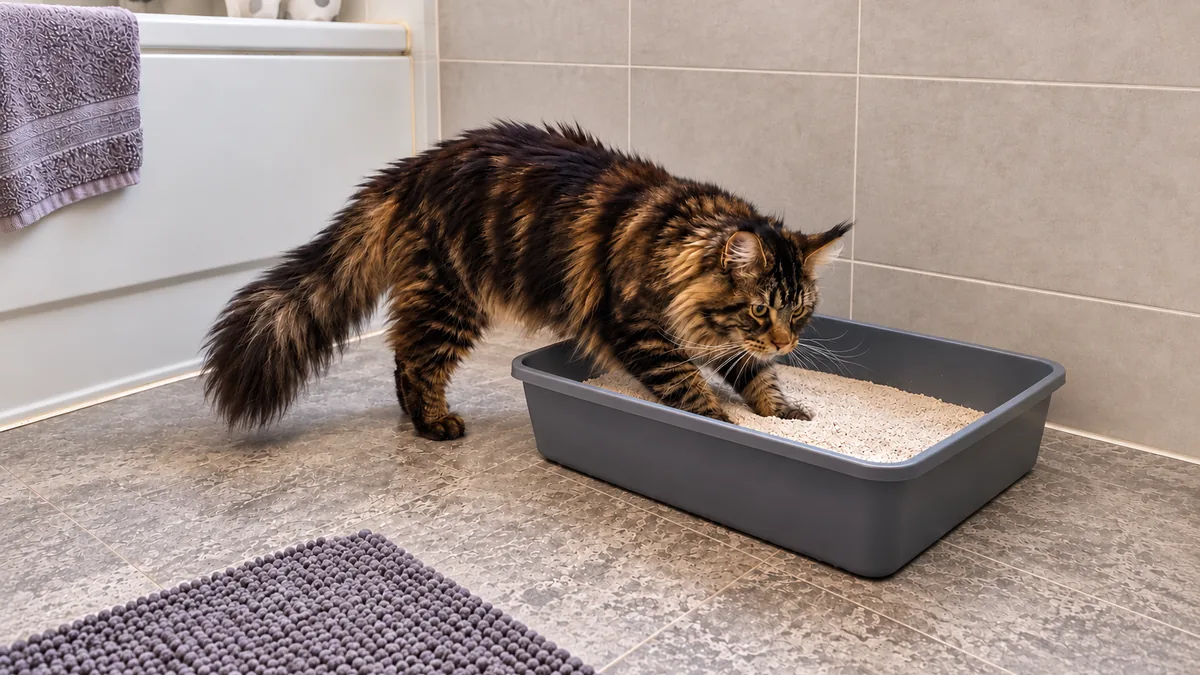
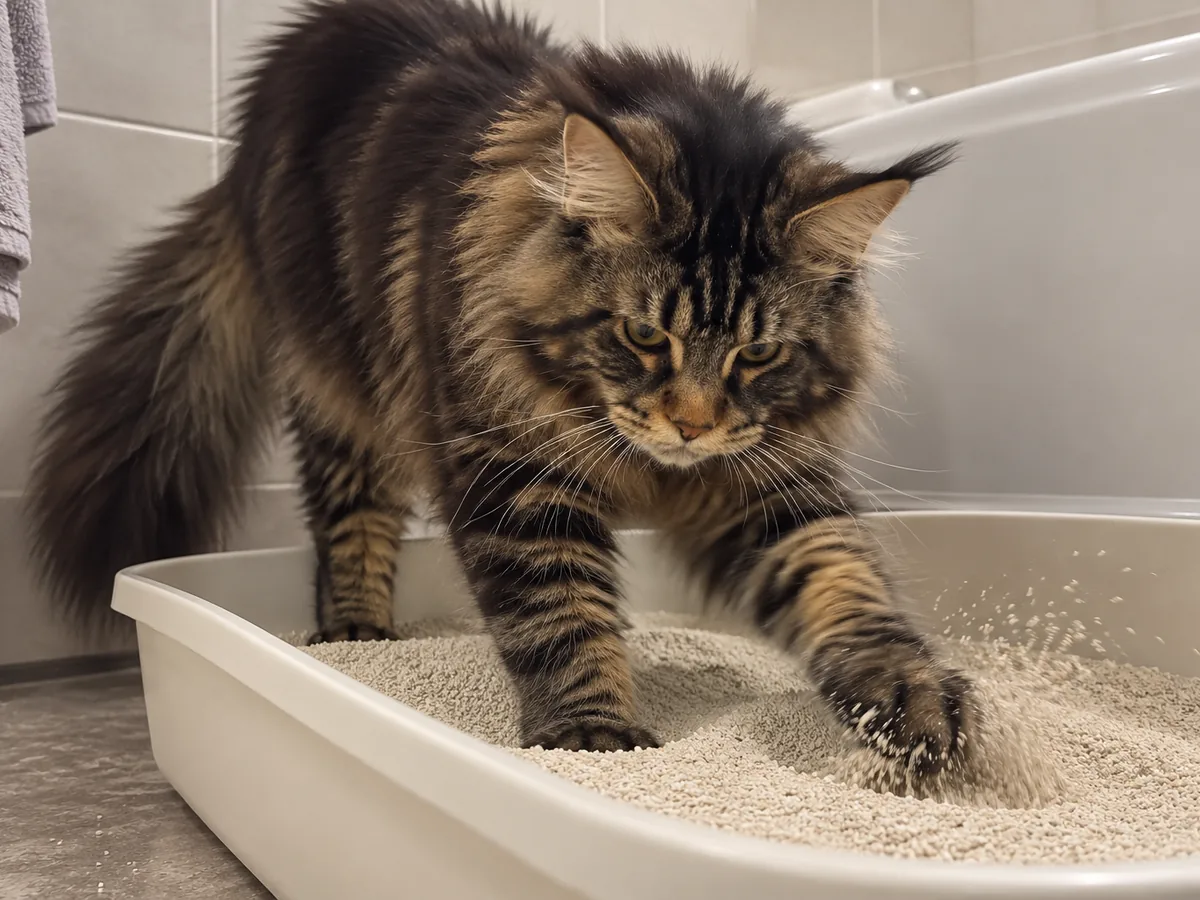
International Cat Care puts the ideal length at one and a half times your cat, from the nose to the base of the tail. Battersea warns that many trays labelled “large” are still too small for an adult cat, so check the measurements. A rectangular tray gives more room than a corner or oval one, and the ASPCA says plastic storage boxes for jumpers make excellent litter boxes.
Start with an open tray. Some cats like a covered one for privacy, but it keeps smells in, and some feel trapped with only one way out. If you use a hood, take the flap off. For a nervous cat, Cats Protection suggests an open tray inside a cardboard box that is open at the top, with two holes cut in neighbouring sides as a way in and a way out.
Skip self-cleaning trays and plastic liners. International Cat Care says self-cleaning trays often move or make noises that startle cats, and claws keep catching in liners.
Which litter to use for a cat that lived outside
Cats often prefer the litter they knew as kittens. If your cat comes from a rescue centre, ask which litter they used there and keep it while they settle in. A cat who lived outside knows loose earth and sand, and International Cat Care says a fine, sand-like litter is closest to what cats instinctively favour. Many cats like it soft under the paws and easy to dig.
Choose unscented. Cats have very sensitive noses, and Cats Protection says a strong scent could put them off the tray altogether. Fill it to about 3 cm: International Cat Care says research shows that’s the depth cats prefer. Battersea and the Scottish SPCA say 3–4 cm.
If your cat ignores the tray, put a second one with a different litter next to it for a while and see which they use. The ASPCA suggests exactly this. One of them can hold soil or fine play sand, which Cats Protection recommends for a cat’s outdoor toilet because it’s easy to dig. Once you know what works, change litter slowly, if at all: mix a little of the new one into the old and add more over at least a week.
Watch how your cat uses it. Cats Protection lists the signs that they don’t like the litter: hesitating before stepping in, not digging or covering, shaking their paws a lot afterwards, or perching on the edge so as few paws as possible touch it.
Where to put the litter tray
Cats feel vulnerable when they go to the toilet, so they look for somewhere quiet and private. Keep the tray away from the washing machine, doorways, corridors and the cat flap, and away from where your cat eats, drinks and sleeps.
For a former stray, also keep it away from big windows. Battersea and International Cat Care both warn against a tray where cats outside can look in. A quiet corner works well: International Cat Care says your cat should only need to watch in one or two directions, and the ASPCA says cats like more than one way out.
Give one cat two trays. PDSA’s vets recommend at least two, away from food and water in a quiet part of the house. Put them in different places, one on each floor if you have stairs. Cats Protection says two trays in a row count as one to a cat.
The first days: show the tray, then step back
Show your cat where the tray is as soon as they arrive, then leave them to it. Battersea says not to force your cat into the tray or try to make them dig, and the ASPCA warns that placing a cat in the box to show them it’s safe is likely to backfire.
Watch for the moment before. If your cat starts sniffing around or crouching somewhere else, gently guide them towards the tray, as the Scottish SPCA suggests.
In the first few days, a new cat may eat and use the tray only in the middle of the night, and an especially shy one may keep this up for weeks. A really anxious cat may not do even that for the first twenty-four hours, International Cat Care says. Keep checking the tray and putting down fresh food. If it goes on longer than that, talk to your vet. As long as your cat is eating, drinking and using the tray, Cats Protection says there’s no need to worry about the hiding.
Praise once they step out
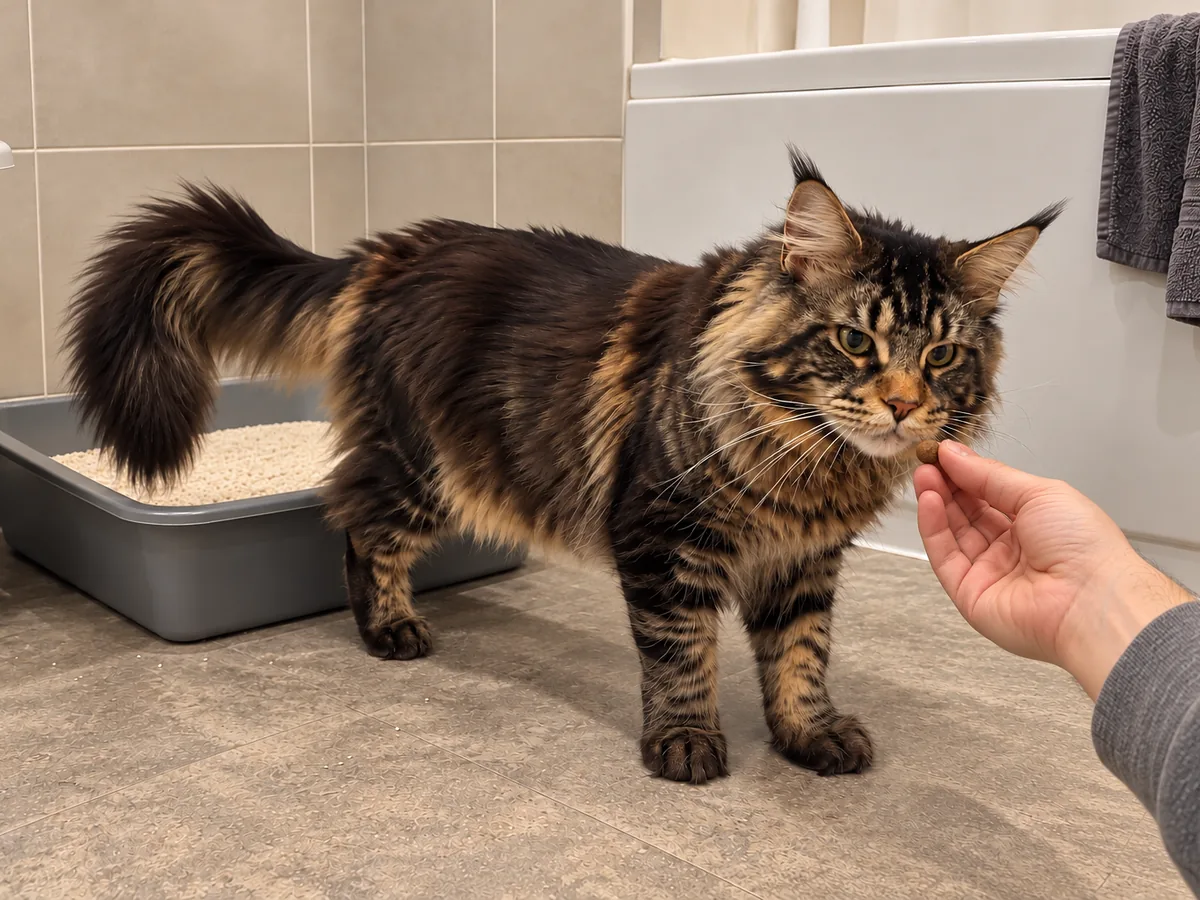
When your cat uses the tray, praise them. PDSA says lots of praise helps them know they’ve done something really good, and the Scottish SPCA suggests treats or gentle stroking.
Wait until they’ve finished and stepped out. International Cat Care says touching a cat while they’re in the tray can be enough to give them a bad feeling about it. The ASPCA is more cautious about treats: it says they’re usually not a good way to litter train a cat, because many cats don’t like attention while they’re going. So keep it quiet. Stay a few steps away, and say something soft once they’re out. If your cat loves treats, offer one then.
Keep it clean, but not spotless at first
Scoop out pee and poo twice a day. Cats Protection says some cats won’t use the tray at all until it’s been cleared, and clumping litter makes that easier.
In the first weeks, don’t overdo the scrubbing. International Cat Care says a cat learning to use a tray for the first time may need to establish it as their toilet, and cleaning it too often may weaken that link.
Then wash the whole tray in hot water with biological detergent and fresh litter: weekly with non-clumping litter, every two to four weeks with clumping litter, International Cat Care says. Don’t use disinfectants that go cloudy in water, such as Dettol, which are toxic to cats.
When your cat goes outside the tray
Never punish a miss. PDSA says your cat won’t understand why you’re telling them off, and the stress can cause more problems. The ASPCA says not to rub their nose in it or carry them to the tray either.
Clean it up straight away, because a cat’s sensitive nose leads them back to the same spot. Use an enzyme cleaner made for cat urine, or a warm 10% solution of biological washing powder, then rinse and let it dry. Avoid anything with ammonia, which smells like urine.
If your cat keeps choosing the same spot, put a tray there, PDSA suggests. Where a tray can’t go, the ASPCA suggests putting their food bowl, bed or toys there, or making the spot less pleasant to stand on with foil, double-sided tape or a carpet runner turned upside down. Some cats come to prefer certain surfaces, it notes, such as carpet, potting soil or bedding.
Going just beside the tray is a clue. Cats Protection says it means your cat wants to use the tray but something is putting them off, and Battersea says the tray may be too small or its sides too high.
How to litter train an older cat
An older cat who has always gone outside can learn the tray too, with a few changes. Give them a tray with low sides so it’s easy to get in and out, and a softer, finer litter. Cats Protection says rough litter, including some gravel and wood pellets, can be uncomfortable under older paws.
Put a couple of extra trays around the home in case they can’t make it in time, and a night light near the tray so they can find it in the dark. Older cats tend to need the toilet more often, so check the trays regularly.
International Cat Care notes that older cats may not want to go out in bad weather, or may struggle with the cat flap because of painful joints, and an indoor tray often solves it. If an older cat who used to manage suddenly starts going outside the tray, see your vet first: Cats Protection says there are lots of medical causes.
When to see a vet
See your vet straight away if your cat strains in the tray, cries while going, seems uncomfortable, or keeps going in and producing little or nothing. PDSA says a male cat straining to pass urine could be a real emergency and needs to be seen immediately. International Cat Care says a cat trying to pass urine and unable to, or passing only small amounts, must be seen urgently.
Cats Protection says a cat who hasn’t peed in more than 24 hours is a veterinary emergency, particularly a male cat, and to call your vet if an adult cat hasn’t pooed in more than 48 hours. For comparison, healthy adult cats pee two to four times a day and poo once or twice.
If the vet finds no medical reason and the misses go on, they may recommend a qualified cat behaviourist. A Lapka programme can help in the meantime: it plans the steps and adjusts them after each day.
Notes from the first week with a former stray
Day 1: shown the tray in the spare room. Hid in the box all day. Nothing in the tray by bedtime.
Day 2, morning: one wet clump in the tray, done overnight. Food gone.
Day 4: walked past the litter, sniffed the second tray with play sand and used it. Praised once out of the tray.
Day 6: dug in the sand tray twice, ignored the litter. Keeping the sand for now.
Notes like these show which tray and which litter your cat picks, and when. If a whole day goes by with nothing in the tray, you’ll notice straight away, and you’ll have the details ready for your vet.
When it does not go to plan
How long does it take to litter train an adult cat?
There’s no fixed time. The Scottish SPCA says it may take time and some trial and error, and PDSA says your cat will get there in the end. A shy cat may use the tray only at night for the first days or weeks, and Cats Protection says a new home can take a few weeks to feel relaxed in.
How do I litter train a stray cat?
The same way as any adult cat, with extra patience. Keep them in one quiet room at first, with a large open tray of fine, unscented litter away from food, water and windows. Show them the tray, step back, and offer a second tray with soil or play sand if they ignore the first. Keep them indoors for at least two to three weeks while they settle in.
Can my cat go outside again once they use the tray?
Yes, once they’re settled. Cats Protection usually suggests three to four weeks first, with your cat neutered, vaccinated and microchipped. Keep a tray indoors even then: International Cat Care highly recommends one even for cats who usually go outside, and Cats Protection says it matters most in autumn and winter.
Why does my cat pee in the tray but poo on the floor?
Some cats won’t pee and poo in the same tray, Cats Protection says, which is one reason to give one cat two trays. It can also mean they dislike the litter: a cat may keep peeing in the tray but poo elsewhere. Try a second tray with a different litter. If it starts suddenly, check with your vet first.
Is my cat spraying or missing the tray?
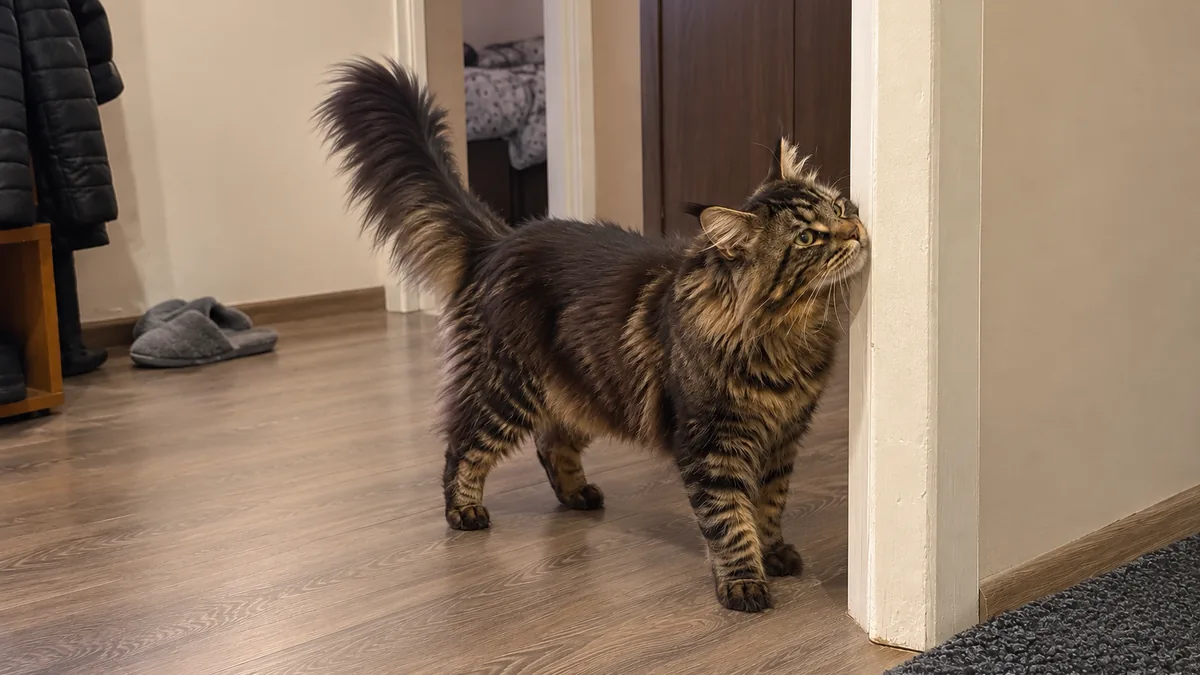
Look at how and where. To pee, a cat squats over a flat surface such as a carpet or a sofa, and may scratch around it afterwards. To spray, they stand, usually tread with their back feet, quiver their tail and spray a small amount backwards onto something upright, like a door, a curtain or a wall. Spraying is marking, and it needs a different plan.
Should I use clumping litter for an adult cat?
It’s a good place to start. Many clumping litters have the fine, sand-like feel cats like, International Cat Care says many cats prefer them, and they make scooping easier. Some cats find a particular one too dusty or dislike its feel, so watch how yours uses it. Kittens are different: Cats Protection advises against clumping litter for them.
Sources and further reading
- PDSA — How to litter train your cat
- Cats Protection — Cats & toileting
- Cats Protection — How to choose the best cat litter for your cat
- Cats Protection — How to train your cat to toilet outside
- Cats Protection — Bringing a cat home
- Cats Protection — How often should cats poo and pee?
- International Cat Care — Choosing a litter tray for your cat
- International Cat Care — Soiling indoors
- International Cat Care — Helping your new cat or kitten settle in
- ASPCA — Litter box problems
- Battersea — How to create the best litter tray setup for your cat
- Scottish SPCA — Cat litter training