Lapka
The short answer
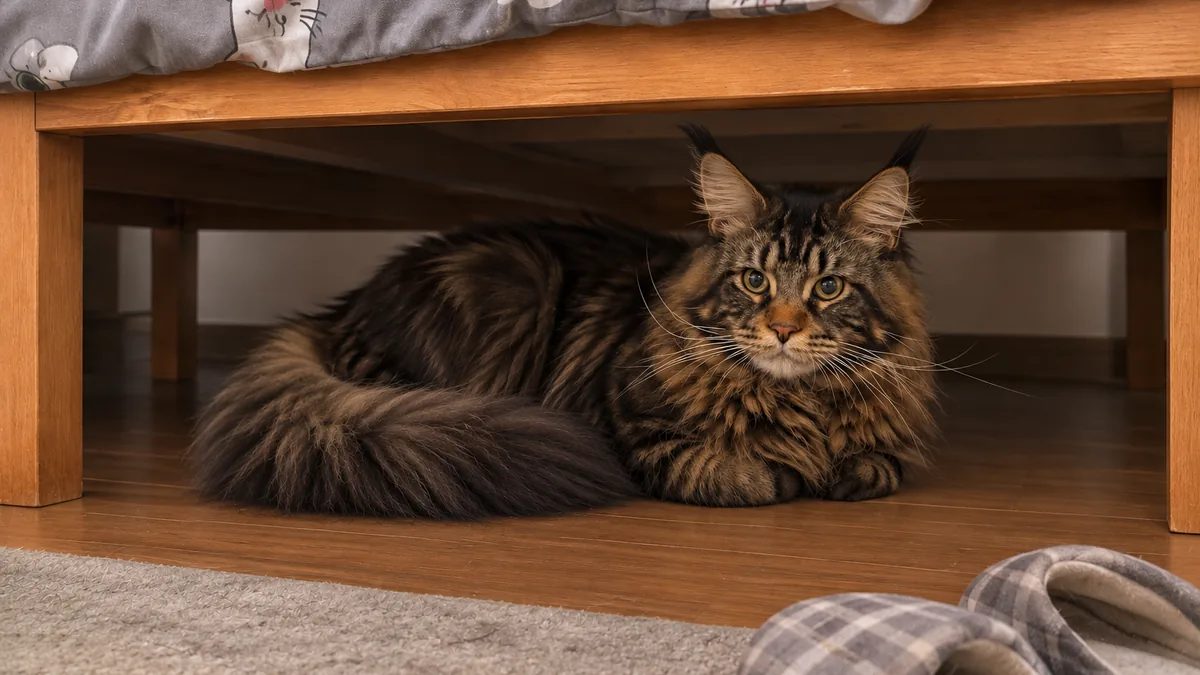
A cat hides under the bed to feel safe. Usually something has worried them: visitors, a new pet, a move, fireworks, building work or a change in your routine. Most cats come out once the worry has passed. If your cat is hiding more than usual, take them to the vet first, because an unwell or injured cat will often withdraw to a safe, enclosed spot.
Why is my cat hiding under the bed?
Hiding is part of being a cat. Cats hide to feel safe and to protect themselves from things they find dangerous or stressful. Faced with something difficult, a cat would rather avoid it than charge in and fight, so the first move is to get out of sight.
Under the bed is a good place for that. Some cats pick a high spot, such as the top of a wardrobe, where they can watch what’s going on without being seen. Others go low, as far from the activity as they can get, somewhere dark and enclosed. Often not being able to see the thing that worried them is enough. Battersea points out that a cat may think they’re hidden with just their head under a towel.
Not all hiding means worry. Cats can sleep at least 12 hours a day, and a hidden spot is warm, comfortable and safe from being disturbed. Some hide so they can pounce on a toy, or on a passing leg.
Why is my cat hiding all of a sudden?
If your cat is hiding more than usual, Cats Protection says they may be stressed, anxious or unwell, and the first step is a vet check to rule out illness. Cats are prey animals as well as predators, so they hide signs of feeling vulnerable, and an increase in hiding is easy to overlook.
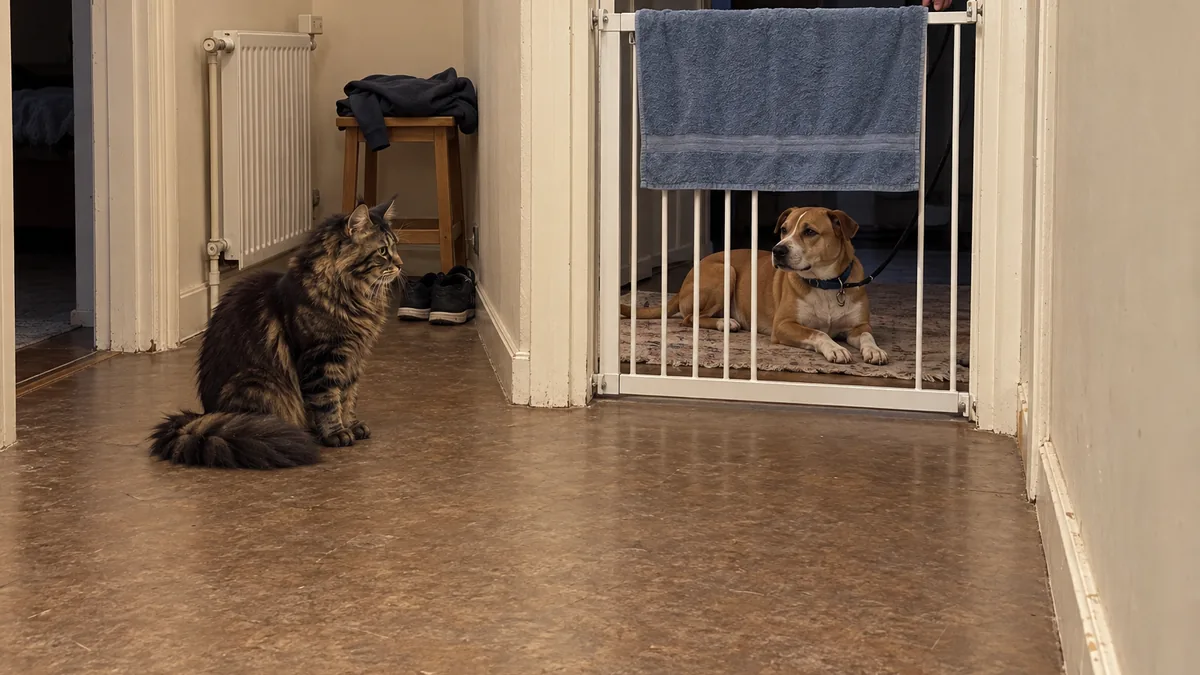
Once your vet has ruled out illness, look for what has changed. Common triggers are other cats, fireworks and building work. A neighbour’s cat can be the cause without you ever seeing it: many intruders may come in through the cat flap or an open window late at night, while you’re in bed. A new cat or dog in the home can be very stressful too.
So can changes to your day. Cats can be very sensitive to changes in their owner’s routine, such as getting up earlier or spending more time away from home. A new baby brings strange smells and sounds, and food bowls kept in a busy spot, or a litter tray that isn’t kept clean, can also cause stress.
Most cats come out once the threat has gone, or once they realise it wasn’t scary after all. Hiding for long stretches suggests something more permanent is bothering them. Battersea says it’s often another cat in the home, or a person who is over-enthusiastic with them.
Why your cat hides from visitors
Bold, friendly cats may find visitors exciting. Nervous or sensitive cats may be worried by unfamiliar people in the home, and having friends to stay for the weekend or the family over for Christmas can stress some cats.
Give your cat a way out before the doorbell goes: a hiding place, somewhere high, or best of all a quiet room of their own.
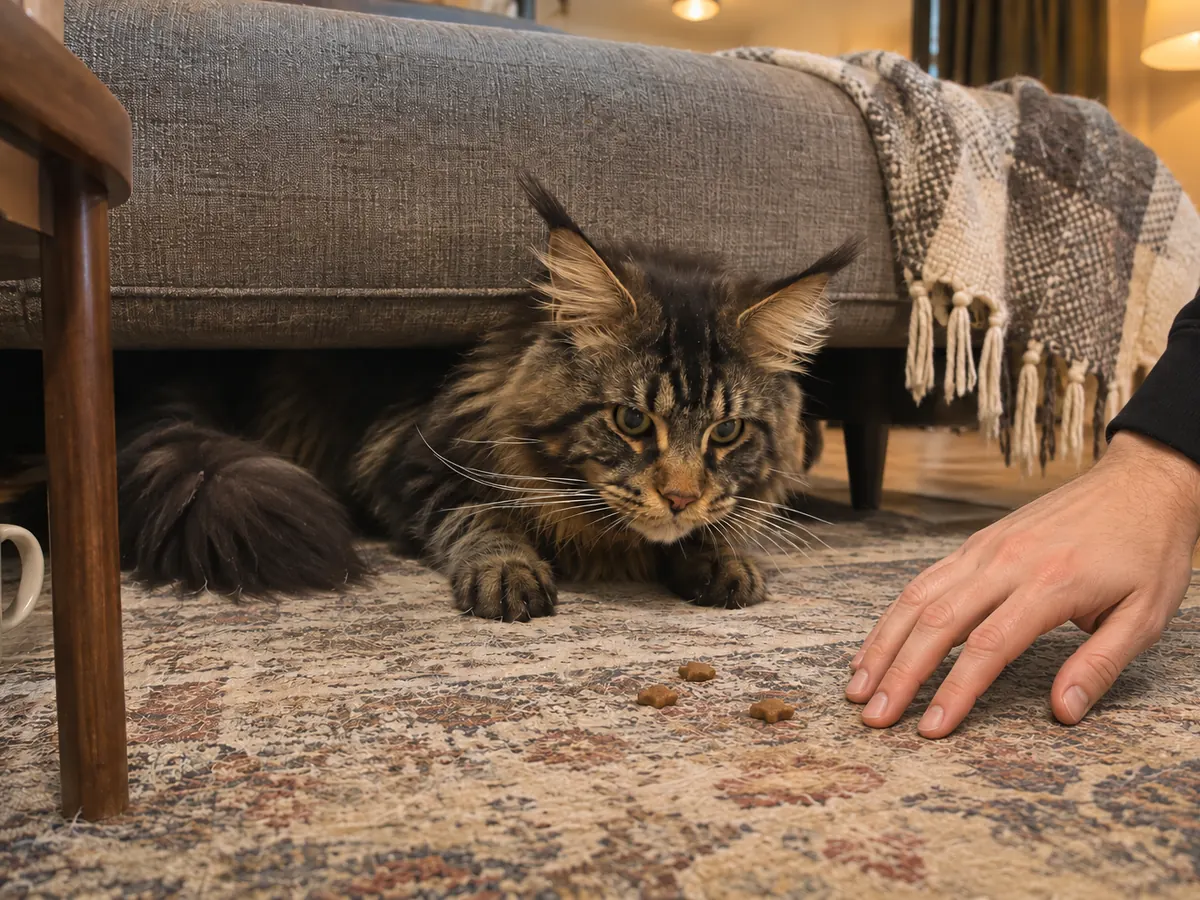
Then have a word with your guests. Battersea suggests asking them to let your cat choose whether to come over, and sometimes to ignore the cat so they can make the first move. If your cat loves treats, a guest can gently toss a few onto the floor a short way off. If your cat comes closer, the guest can crouch down and offer a hand, palm down, to sniff. A playful cat may be happier chasing a fishing-rod toy than being stroked.
Cat hiding under the bed in a new home
A new home is a big change, even for a cat who seemed the most confident in the world when you met. Some explore straight away; many hide for a few hours, some for longer. Cats Protection would usually expect a new cat to hide for a few days at most, though every cat is different.
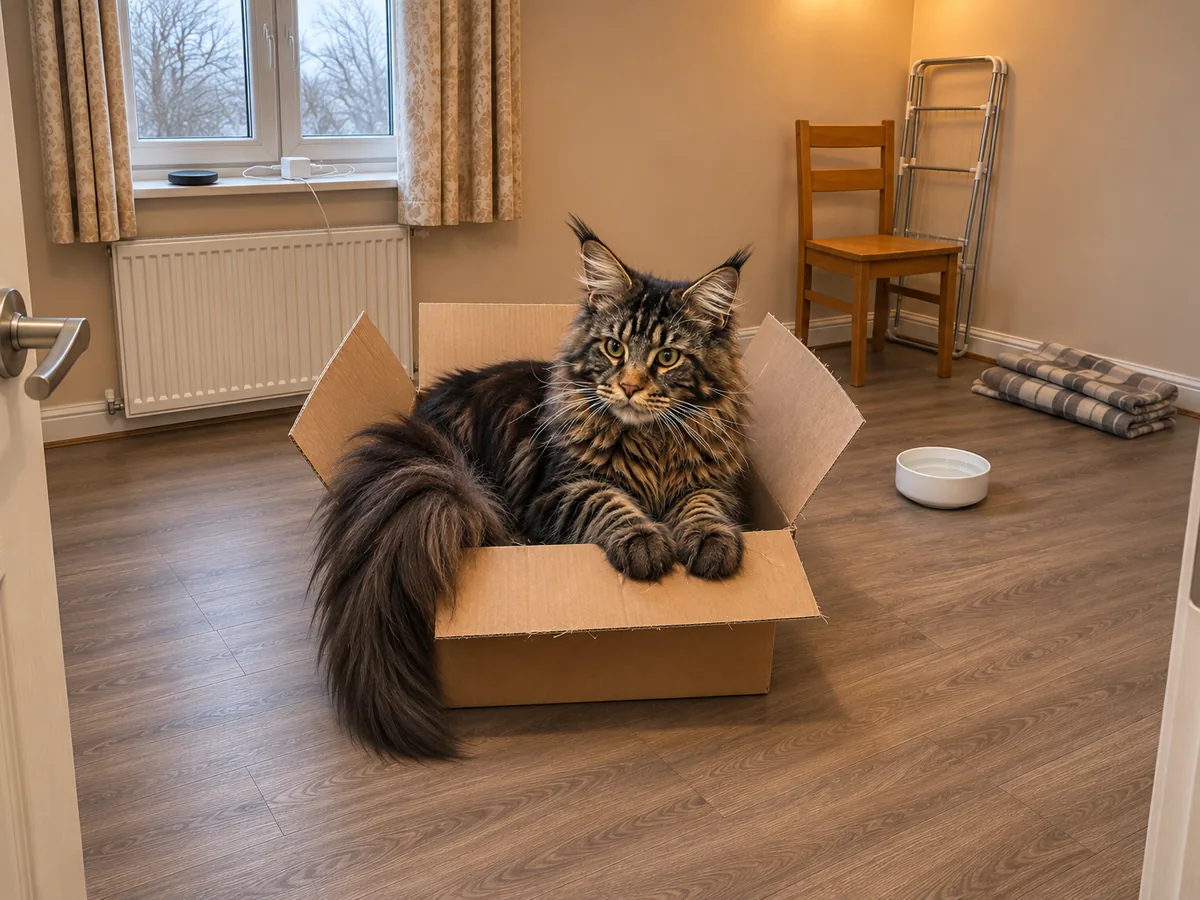
Start them in a quiet room with their things already set out, and open the carrier there. In the kitchen or living room, the noise and people coming and going can keep them hidden for longer. Checking on them all the time can slow things down too.
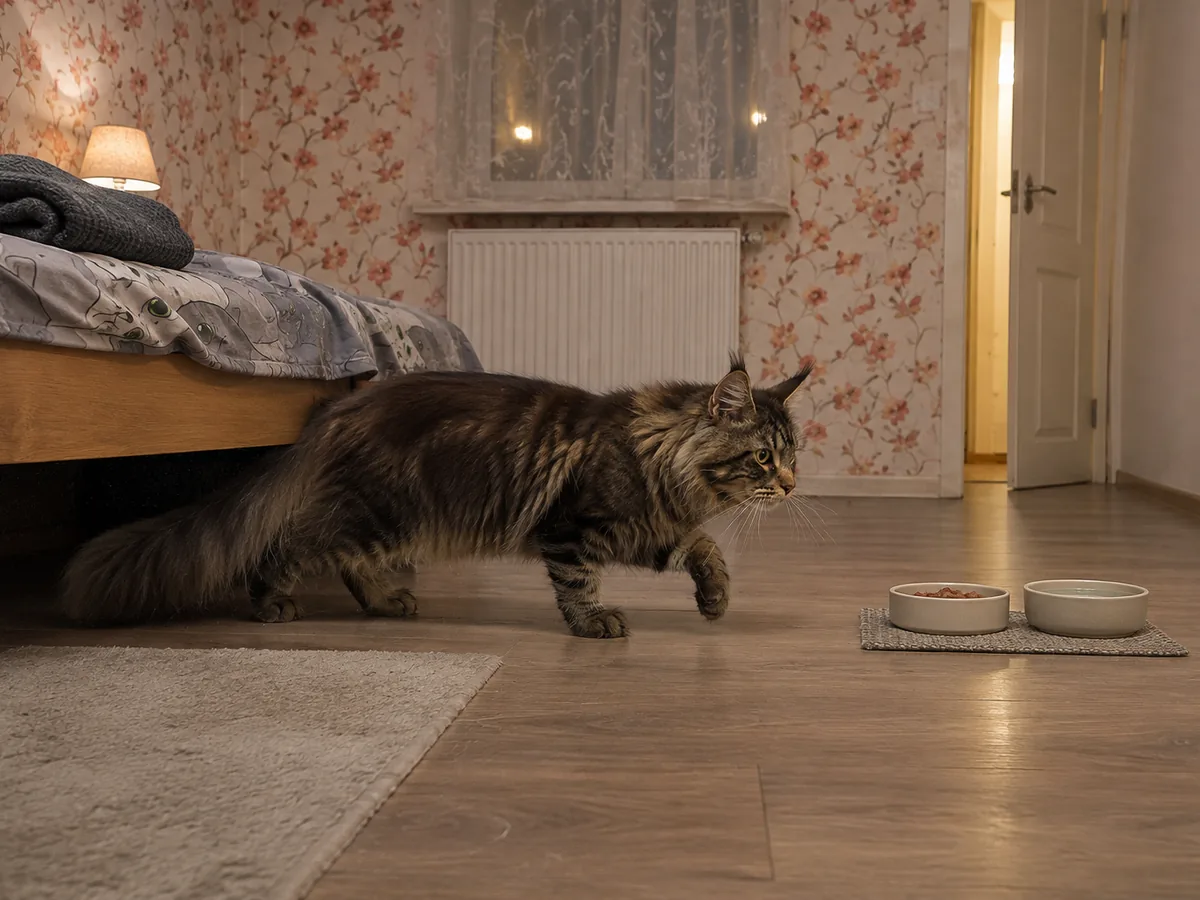
Make sure food, water and a litter tray are there overnight. Many cats feel more comfortable coming out at night, when everyone is in bed and the house is quiet.
Moving house with your cat works the same way. Keep them in a safe room in the new home for a few days, because the whole house at once can be overwhelming, and let them go back to that room whenever they need to. To make the new place smell familiar, gently wipe a clean cloth around your cat’s face and rub it on furniture and surfaces at cat height.
Why is my cat hiding from me?
Sometimes the worry is a person. Many cats like being stroked, but some find too much stroking, or being stroked in certain places, uncomfortable and stressful. Battersea notes that plenty of cats simply put up with it, and those are often the ones getting most stressed.
Let your cat stay in charge. Never hold your cat still while you stroke them, and never pet them while they’re tucked into a hiding place they can’t get out of. Never shout at or punish your cat either: the RSPCA says they’re very unlikely to understand, and can become more nervous or scared.
With a nervous cat, International Cat Care suggests being a little invisible: no direct eye contact, and no talking to them or touching them unless they start it. Act normally, too. Tiptoeing and speaking in hushed voices creates a tension that can make your cat more anxious.
Then give them reasons to come closer. Scatter a few small tasty treats near you, and once your cat eats those comfortably, offer them on your open palm. A toy on a string tied to a long rod lets them play without you being too close. Go slowly: losing your temper or pushing things too fast only strengthens the old fears. If you’d like to turn these moments into short daily sessions, a Lapka programme plans them and adjusts after each one.
Cat hiding under the bed after the vet
For many cats a vet visit is stressful: the car journey, the carrier, unfamiliar animals and smells, being handled by strangers. Back home, a cat can be nervous and disorientated, and after sedation or an anaesthetic they may stay quiet and unsteady on their feet for a while.
Give them a quiet, warm spot to recover, with food, water and a litter tray, the tray kept away from the food. Talk to your cat and stroke them gently, and let them decide when to come closer.
Keep an eye on how they’re recovering. Pain can be hard to spot in cats, and its signs include loss of appetite, hiding or being withdrawn. If you’re worried, call the clinic.
If you have more than one cat, the one who stayed home may not recognise the one who came back, because they smell strange. Keep them in separate rooms for a few hours or a day or two, then let them meet gradually while you watch.
How to help a hiding cat without pulling them out
Leave them be. Cats Protection says trying to coax a hiding cat out might make them more anxious and keep them hidden for longer. Cuddles and fuss would reassure a person, but cats are different. They would rather run away, get up high and hide, and research suggests that doing so brings their stress down.
Keep food, water and the litter tray nearby, but not right in or beside the hiding place. Pushing a bowl into the hiding spot may seem kind. Cats Protection’s example is sliding food behind the sofa, and it says this is more likely to cause stress.
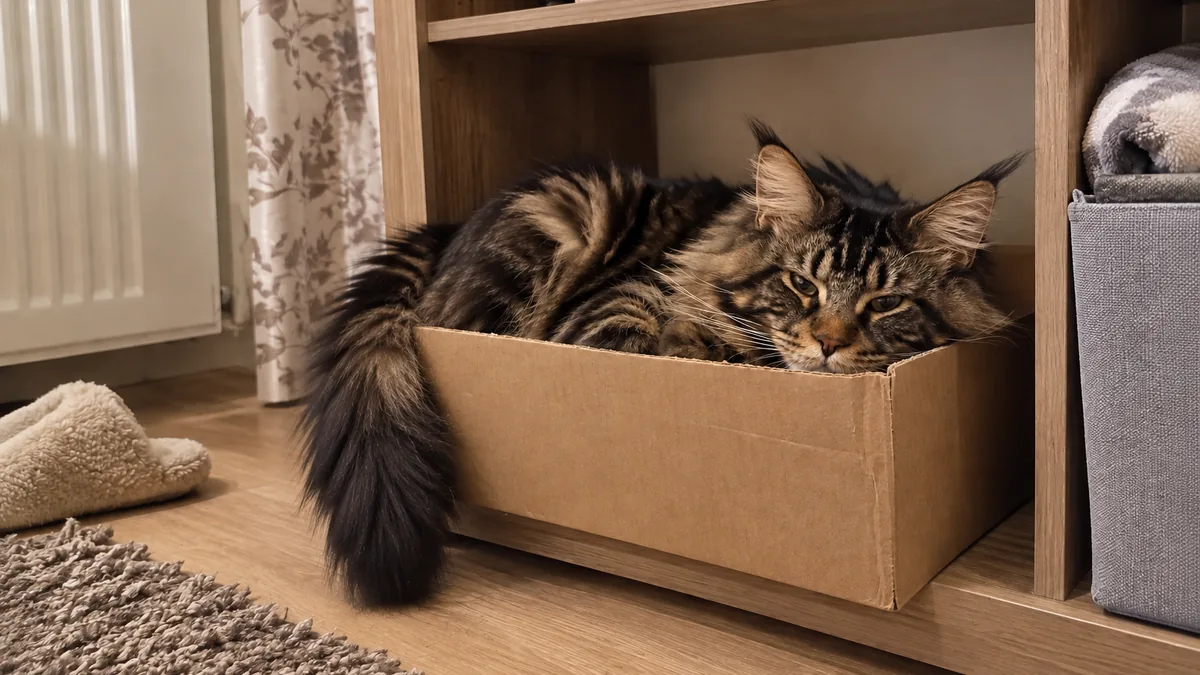
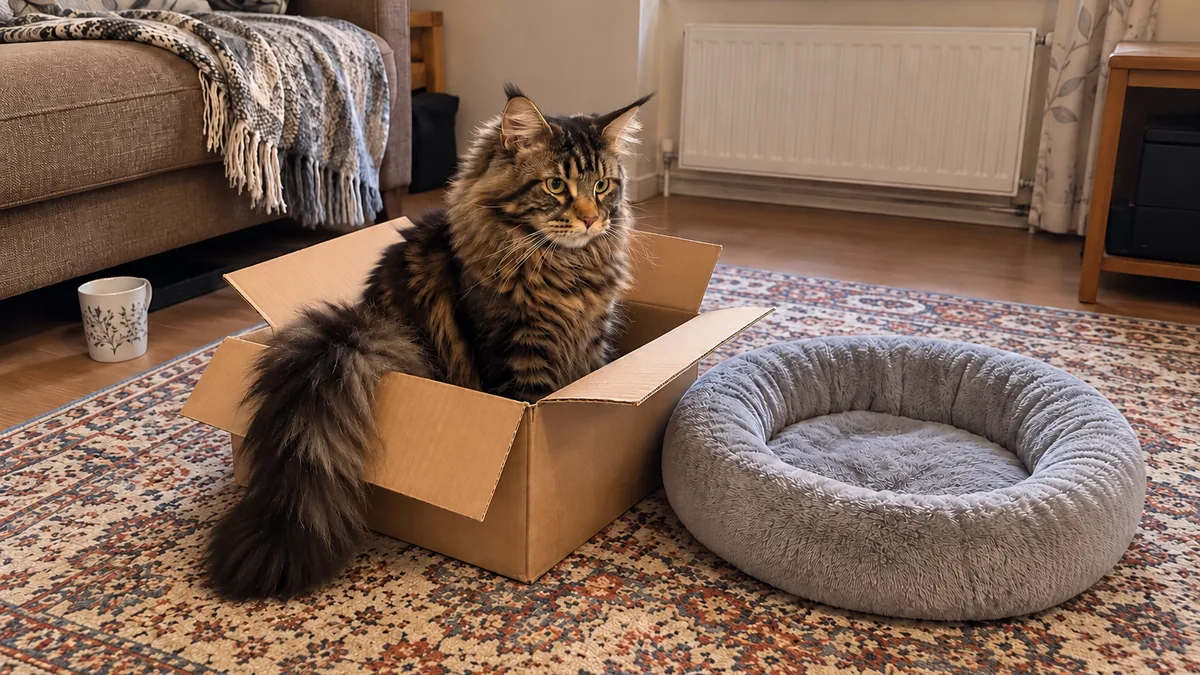
Give your cat a choice of hiding places: an open cupboard door, the space under a bed, cardboard boxes, a gap behind the sofa. Add somewhere high, because cats often feel safer further off the ground. With more than one cat, have enough that the bolder one can’t take them all, and with young children, keep some out of their reach.
Leave those places alone. Don’t disturb your cat while they’re using one, and don’t clean them out too often. An older cat with stiff joints may find jumping hard, so give them a few warm, soft spots at floor level.
A plug-in pheromone diffuser may help some cats feel less anxious. Cats Protection says to use it alongside medical and behavioural advice, because on its own it may not be that effective.
Cat hiding under the bed all day: how long is too long?
A cat who hides through the fireworks and comes out when they stop is coping in their own way. Leave them in their hiding place until they feel safe enough to come out.
It’s the hiding that goes on that needs attention. A new cat usually hides for a few days at most. If your cat keeps hiding for long periods, Cats Protection says something may not be right in their environment. Battersea advises a vet appointment for a cat who continues to hide, because an injured or unwell cat will often withdraw to a safe, enclosed space until they feel better.
Watch the basics. If you’re worried about your cat’s eating, drinking or toileting, contact your vet.
If the vet finds no medical reason, ask about a referral to a qualified cat behaviourist, such as a member of the Association of Pet Behaviour Counsellors. A behaviourist looks for the cause of the stress and makes a plan for your cat.
When hiding means a vet visit today
Cats hide discomfort and illness well. The Feline Veterinary Medical Association says to contact your vet straight away if your cat shows any of these changes: hiding or being withdrawn, eating less or losing interest in food, moving less or hesitating to jump, grooming less, a change in their litter tray habits, squinting, sleeping hunched up instead of curled up, or reacting to being stroked or touched.
A sudden change in character counts too. If a cat who was never anxious now seems scared of everything, International Cat Care says not to ignore it and to arrange a thorough examination, because it may be a sign of illness or pain.
If your cat is hiding in or by the litter tray, look at the tray. PDSA lists these among the signs of a blocked bladder: frequent visits to the litter tray, little or no urine, straining to pee, crying out while trying to pee, eating less, vomiting and hiding away. A cat who can’t pee is an emergency. Call your vet for an emergency appointment straight away and never wait to see if they improve. The Cornell Feline Health Center notes that male cats are at greater risk of a blockage.
What a weekend of notes can look like
Fri, 18:30: friends arrive. Under the bed before the doorbell stops ringing.
Fri, 23:40: everyone gone. Comes out, eats, uses the tray, falls asleep on the sofa.
Sat: no visitors. Hides once, for about ten minutes, while the neighbour is drilling. Eating and the litter tray as usual.
Notes like these show when your cat hides and what set it off. Here it lines up with visitors and noise, while eating and the tray stay normal. If those change, the same notes help your vet see what’s different.
Questions people ask
Why is my cat hiding in the closet?
Plenty of cats nap in the bottom of a dark cupboard or on top of a wardrobe, because a hidden spot feels warm and safe. If a cat who used to be confident suddenly spends all their time in a cupboard, Cats Protection says something is likely making them stressed. Have your vet check them first, then look for what has changed recently.
Should I pull my cat out from under the bed?
Only if you really must. International Cat Care says moving a nervous cat from their hiding place makes you seem more threatening, and Cats Protection says coaxing might keep them hidden for longer. If your cat has to go to the vet and panics at the sight of the carrier, International Cat Care suggests wrapping them in a thick towel or blanket that smells familiar and placing them in the carrier quickly but gently.
Should I put food under the bed for my cat?
Put it nearby instead. Cats Protection advises keeping food, water and the litter tray close to the hiding place but not in or beside it. A worried cat often comes out at night, when the house is quiet, so leave everything available overnight.
Is it normal for my cat to hide during fireworks?
Yes. Fireworks bring sudden loud bangs and bright lights that many cats find frightening, and hiding may be how your cat copes. Leave them in their hiding place until they feel safe enough to come out.
Why does my cat hide from other people but not from me?
Your cat knows you, and nervous or sensitive cats may be worried by unfamiliar people. International Cat Care adds that a cat who didn’t meet a full range of everyday situations as a kitten may run from even harmless things. Ask visitors to let your cat choose whether to come over, and to ignore them until they do.
Sources and further reading
- Battersea — Why is my cat hiding?
- Battersea — Stressed cat
- Cats Protection — Cats hiding
- Cats Protection — Behaviour focus: hiding
- Cats Protection — Spotting signs of cat stress
- Cats Protection — Moving house with a cat
- International Cat Care — Anxious cats
- International Cat Care — Taking your cat to the vet
- RSPCA — Understanding your cat’s behaviour
- PDSA — Blocked bladder in cats
- Cornell Feline Health Center — Feline lower urinary tract disease
- Feline Veterinary Medical Association — How do I know if my cat is in pain?