Lapka
The short answer
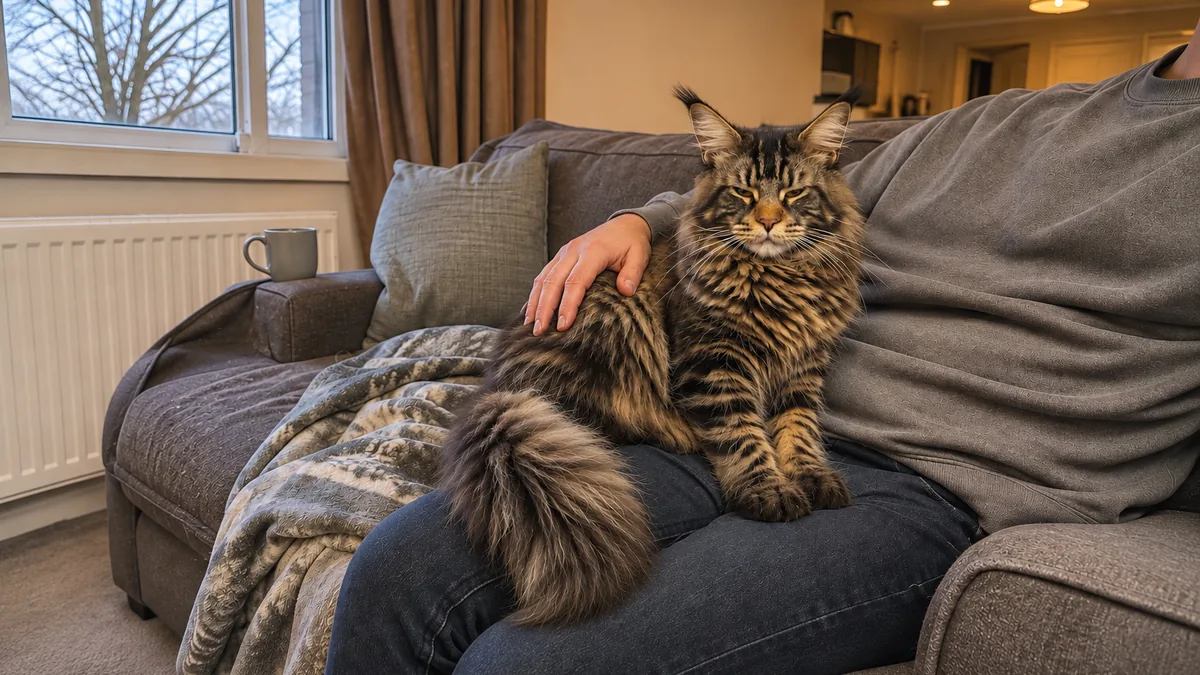
Mostly because you’re warm, soft and close. Cats Protection says cats look for warm spots, your lap included, and a cat who is bonded with you may link your scent with safety. Sitting on you is also a good way to get strokes. A cat who sits on you purring early in the morning may be asking for breakfast. If your cat suddenly sits on you much more or less than usual, check with your vet.
Why does my cat sit on me all the time?
Cats Protection, a UK cat charity, gives a few reasons, and the first is warmth. Cats look for a cosy place to sit, especially in winter, and the charity’s list of warm spots includes your lap and places you’ve just been sitting, alongside radiators, sunny patches and laptops.
Then there’s comfort and smell. Soft things like blankets and clothes make a good seat, and you’re usually wearing some. A cat who is bonded with you and knows you can be trusted may link your scent with safety, so they settle on your lap, or on things that smell of you, like the jumper you left on the chair.
And you come with strokes. A cat who likes a fuss may choose to sit wherever they’re most likely to get one: the laptop you’re using, the paper you’re reading, the chair you’re sitting on, or your lap. Cats Protection calls these “prime positions for getting in your way so you give them a chin rub”.
Does my cat sitting on me mean they love me?
It’s a good sign. Cats Protection lists it among the signs a cat likes you: a cat who sits on your lap has “officially claimed you as their own”. International Cat Care puts jumping on your lap among the signs a cat wants to interact, along with a tail held up like a question mark, purring, rubbing their face on you and slow blinking.
Sitting on you doesn’t always mean they want stroking, though. International Cat Care says a cat may sit near you or on your warm lap without wanting to be touched. Let them start it: stroke for 3 to 5 seconds, pause, and let them decide whether to carry on. Most cats prefer gentle, repeated strokes, and the cheeks and chin are where most like being touched.
Why does my cat sit on me when I lay down?
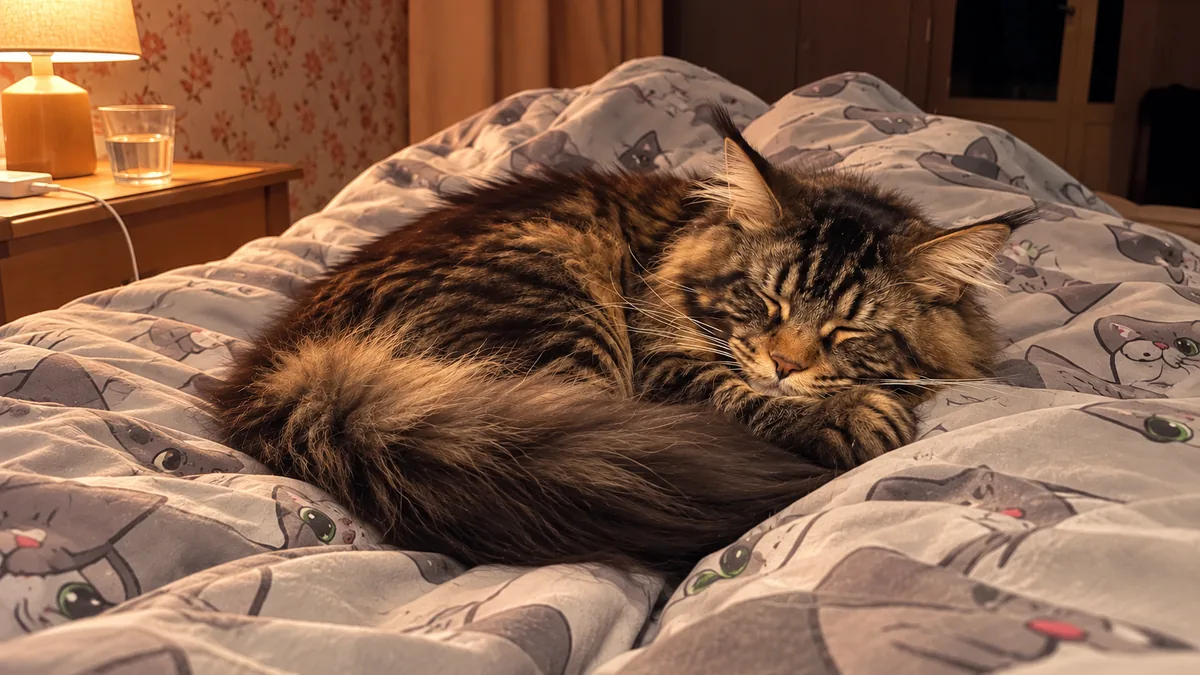
When you lie down, you turn into one big warm surface. Cats Protection says your body is like a big hot water bottle for your cat, and your chest is a prime spot for strokes and fuss.
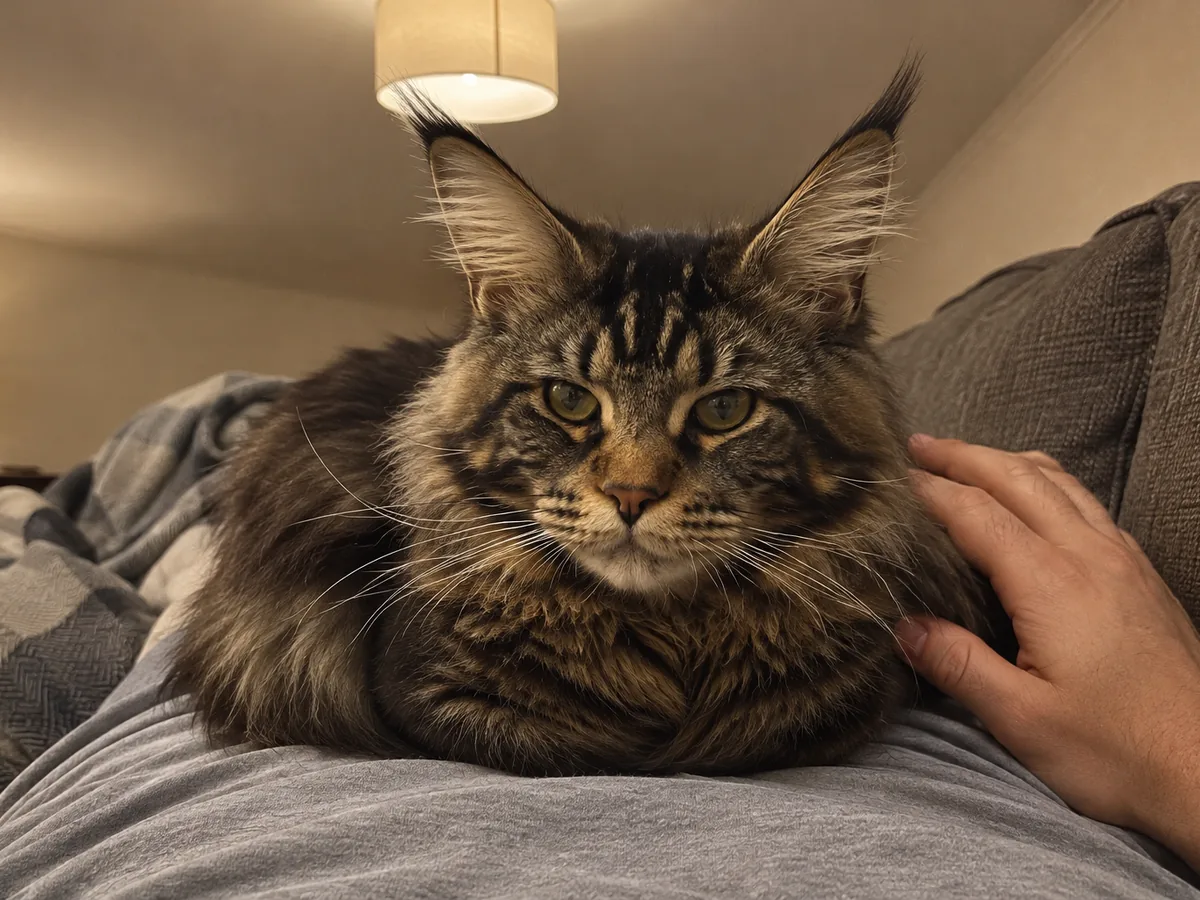
Look at how they sit. A cat with their paws and tail tucked right under them, the “cat loaf”, isn’t in a good position for a quick getaway. Cats Protection says they will usually only sit like that if they feel completely safe.
In bed, there’s the bed itself. Human beds are comfortable, warm and raised off the ground, with a good view of the room, so you may simply be lying in your cat’s favourite spot.
Why does my cat sit on me and purr?
Usually because they’re content, but Cats Protection says the reason usually depends on context, so look at the rest of the body. Relaxed ears and whiskers, small pupils and a tail pointing up or curled around them mean the purr is most likely a happy one. It could also be a request for attention, so try a gentle fuss.
A loud purr while you stroke or play with them shows your cat is stimulated, and it can come with kneading, drooling and licking. It’s fine to carry on. If they start biting or scratching, though, they may be overstimulated, so leave them alone for a while to calm down.
A purr can also mean stress or pain. Watch for ears flat or turned to the side, wide eyes with big pupils, and whiskers pointing forwards or down. If your cat is purring a lot more than usual, or in situations where they normally wouldn’t, Cats Protection says something could be wrong. Take them to the vet for a check.
Why does my cat sit on me in the morning?
Often it’s about breakfast. Cats are naturally more active at dawn and dusk, and Cats Protection says many are still easily woken at the first sight of a sunrise. Waking you early, by meowing or pawing at your face, is usually a normal part of being a cat.
Some cats have a special purr for it. In a University of Sussex study published in Current Biology in 2009, Karen McComb’s team played people purrs recorded while cats were seeking food and purrs recorded at other times. Even people with no experience of cats rated the food-seeking purrs as more urgent and less pleasant. The difference was a high-pitched sound, a bit like a cry or a meow, hidden inside the low purr.
McComb started the study because her own cat, Pepo, kept waking her in the mornings with insistent purring. Her team found that cats use this purr in private with their owners, “typically at anti-social times, such as first thing in the morning”, and that it seems to develop most often in cats who have a one-on-one with their owner.
If hunger is behind it, Cats Protection suggests smaller, more regular meals during the day, or an automatic feeder that opens in the early morning, plus plenty of play during the day. Don’t tell your cat off for waking you: they could be trying to tell you they’re unwell.
Why does my cat sit on me and knead?
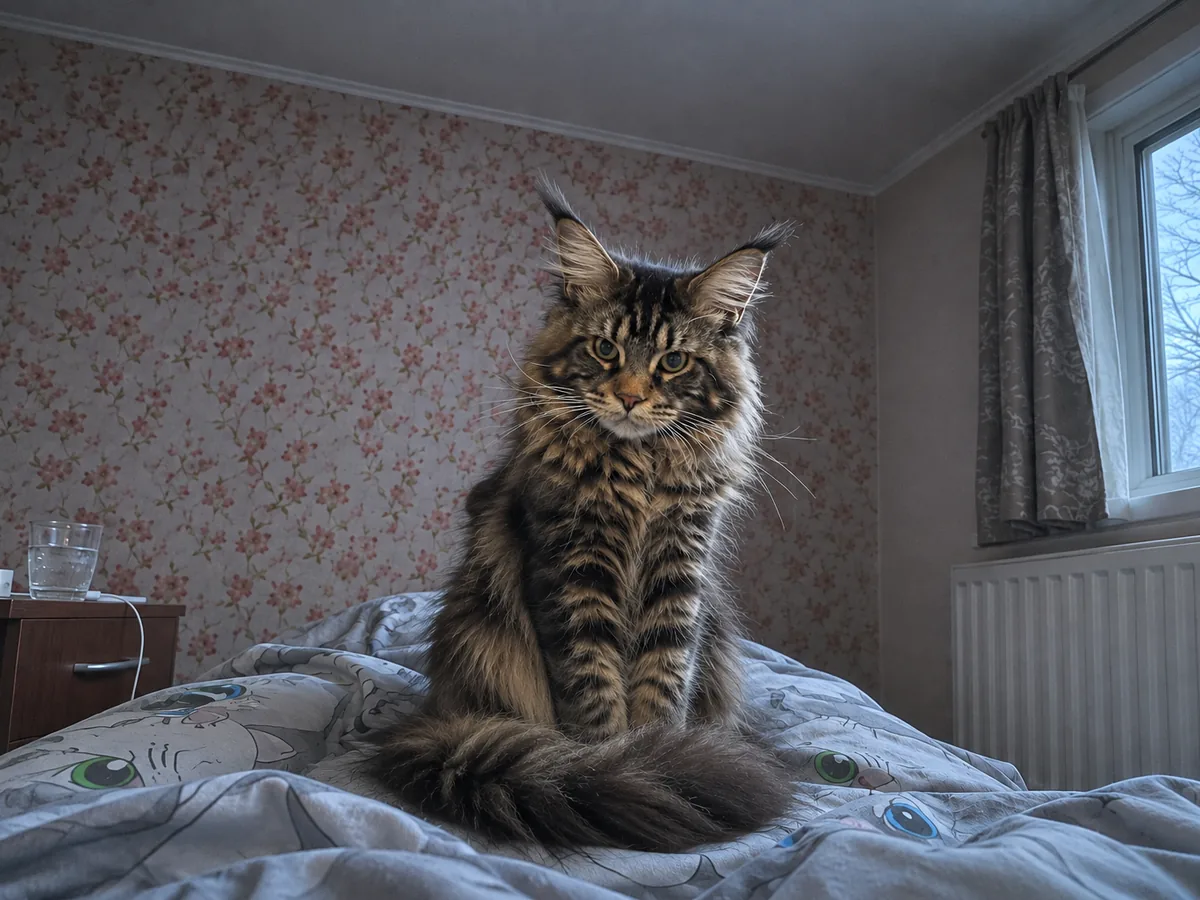
Kneading is when a cat pushes each front paw, again and again, into something soft, often a blanket or the person they’re standing on. Kittens do it while feeding, to get their mother’s milk flowing, and some cats carry it into adulthood.
Nobody really knows why adult cats do it, Cats Protection says. The most widely shared theory is that kneading brings back the happy feelings they had doing it as kittens, and it could release chemical signals in the brain that bring on happy, relaxed feelings. So a cat kneading on your lap is likely feeling happy and comfortable there. Some fabrics are ideal for kneading, the charity adds, so a soft jumper or a blanket over your knees makes your lap even more tempting.
Why does my cat sit on me and clean herself?
Cats groom themselves to stay clean, using their rough tongue to remove dirt and loose fur. Cats Protection says licking also releases feel-good hormones called endorphins in the brain, so a wash on your lap isn’t only about getting clean.
Some lick you as well. Cats in the same social group groom each other, which helps them bond and share their scent, and it can sometimes happen across species too. Cats Protection says a cat who licks you while you’re cuddled up together may be showing affection.
Keep an eye on how much. The RSPCA lists grooming a lot more than usual among the signs of a stressed or frightened cat, and Cats Protection lists overgrooming among the signs of pain. If you notice it, talk to your vet.
What to do when your cat sitting on you gets too much
When you need to get up, let them step off by themselves or lift them gently. International Cat Care says cats don’t enjoy being picked up or held for long. If you do lift them, put one hand under the chest and support the back end with the other, and never pick them up by the scruff.
Don’t push them off or tell them off. The RSPCA says cats are very unlikely to understand punishment and can become more nervous or scared.
Give them another good seat instead. Cats are drawn to places that are warm, soft and smell of you, so leave a jumper you’ve worn, or a blanket, on the cushion beside you or near the radiator. Play helps too: International Cat Care says a wand toy is a way to spend time together without touching. If you’d like to spend some of that time teaching a trick, a Lapka programme plans the sessions and adjusts them after each one.
Watch for the signs they’ve had enough: a thrashing or thumping tail, skin rippling along the back, ears lowering or turning, or a body that suddenly goes tense. International Cat Care lists these among the signs to leave your cat alone.
Why does my cat sit on me all of a sudden?
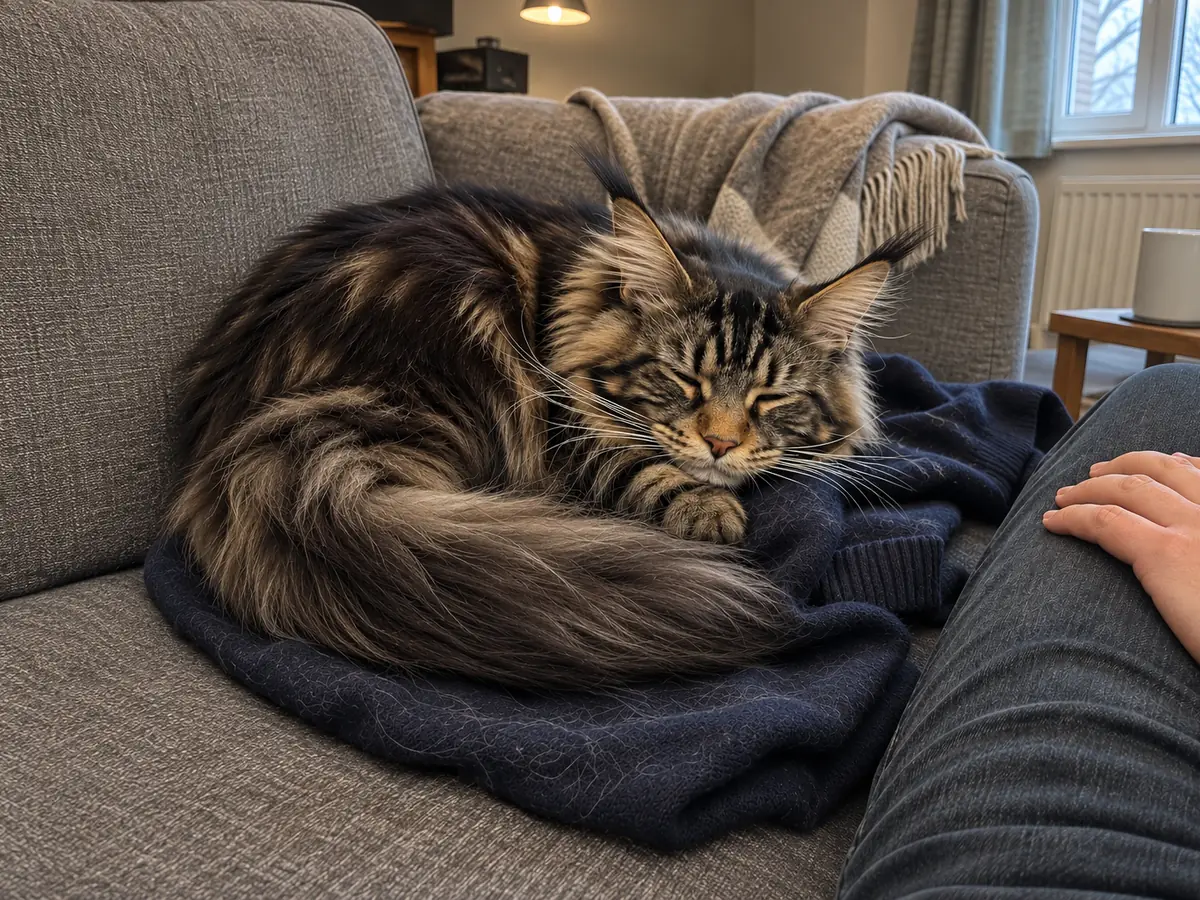
Check the season first. Cats seek out warmth, especially in winter, and your lap is on Cats Protection’s list of warm spots.
Age changes it too. International Cat Care says a cat’s preferences can change as they get older, and senior cats may want less, or sometimes more, contact with people. It adds that any change in behaviour is significant, because it could be a sign of a health condition.
Cats are good at hiding pain, and they’re more likely to show small changes in behaviour than a limp. The signs Cats Protection lists include becoming less tolerant of people, hiding more than usual, sleeping more, being reluctant to jump down from furniture, stiffness after resting, crouching hunched up with squinty eyes, eating or drinking less, and overgrooming. Some cats even purr in pain. If your cat’s behaviour has changed, or you see any of these signs, book a vet check.
What a week of notes can look like
Mon, 6:10: sits on my chest, purring loudly, until I get up. Straight to the food bowl.
Wed: a small extra meal at 22:00. Thursday the purring starts at 6:40 instead.
Sat, evening: on my lap the moment I sit down. Kneads the jumper, washes a paw, sleeps. Moves onto the jumper when it goes on the cushion beside me.
Notes like these show what the sitting goes with. Here it’s breakfast and a warm lap, and nothing else has changed. If one day it comes with hiding or eating less, the same notes help your vet see the difference.
Questions people ask
Is it normal for my cat to sit on me all the time?
Yes. Cats look for warm, soft places that smell familiar, and your lap is all of those. Cats Protection counts sitting on your lap among the signs a cat likes you. What’s worth a vet visit is a change: a cat who suddenly sits on you far more, or stops, along with other changes.
Why does my cat sit on me in bed?
Cats like human beds anyway: Cats Protection says they’re comfortable, warm and raised off the ground, with a good view and a hiding place underneath. You may be lying in their favourite spot. Early in the morning, a cat sitting on you in bed and purring may be asking for breakfast.
Why does my cat sit on my legs or lap?
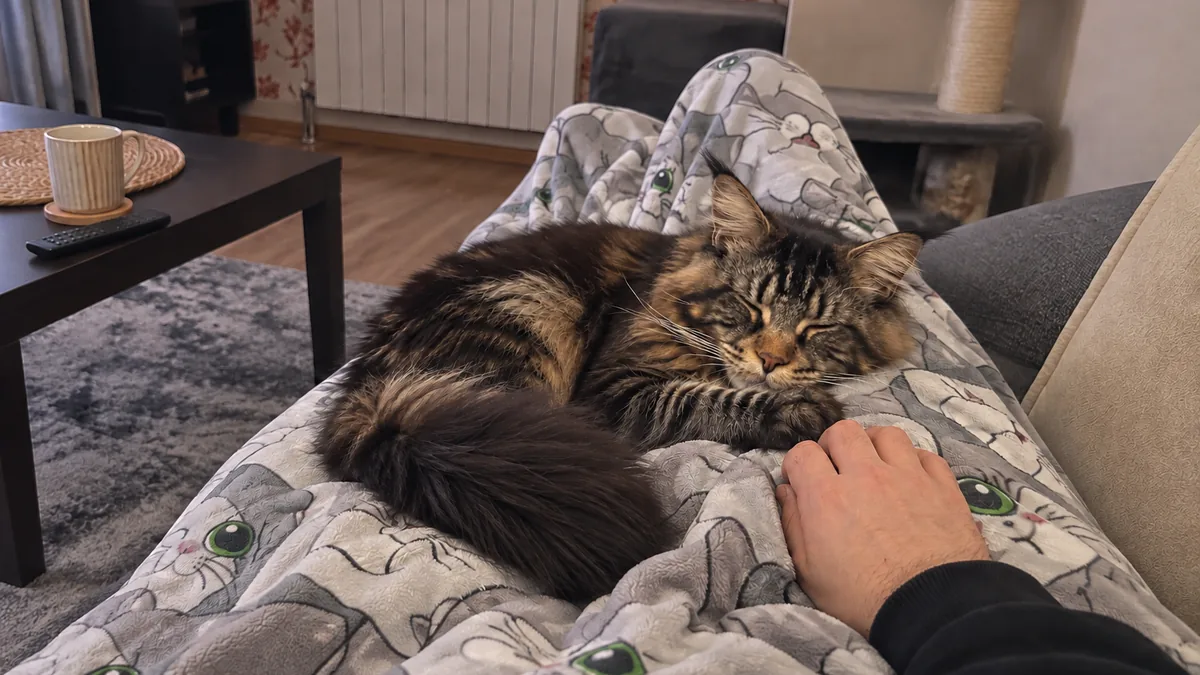
Your lap is the best seat on the sofa. Cats Protection says perching on it gives your cat a great chance of strokes, chin rubs and head scratches. It’s also warm, it stays warm where you’ve been sitting, and it’s usually covered in soft clothes that smell of you.
Why does my cat sit on my laptop?
Laptops give off heat, and Cats Protection lists them with radiators and sunny spots among the warm places cats pick. The laptop you’re using is also a prime position for getting in your way until you give them a chin rub. A warm, soft spot right beside you can tempt them off it.
Should I let my cat sit on me?
If you both like it, yes. Let your cat choose: International Cat Care says cats who feel in control of their situation offer love and affection on their own terms. When you need to move, let them step down by themselves, or lift them gently with one hand under the chest and one under the back end.
Sources and further reading
- Cats Protection — Why do cats like sitting on things?
- Cats Protection — Why does my cat sleep on me?
- Cats Protection — 10 tips to get a cat to like you
- Cats Protection — 5 signs your cat loves you
- Cats Protection — Why does my cat purr?
- Cats Protection — Why do cats knead?
- Cats Protection — Why does my cat lick me?
- Cats Protection — Cats at night
- Cats Protection — Signs of pain
- International Cat Care — Handling and interactions
- RSPCA — Understanding your cat’s behaviour
- University of Sussex — Research reveals how cats purrfect the art of exploitation (2009)