Lapka
Lapka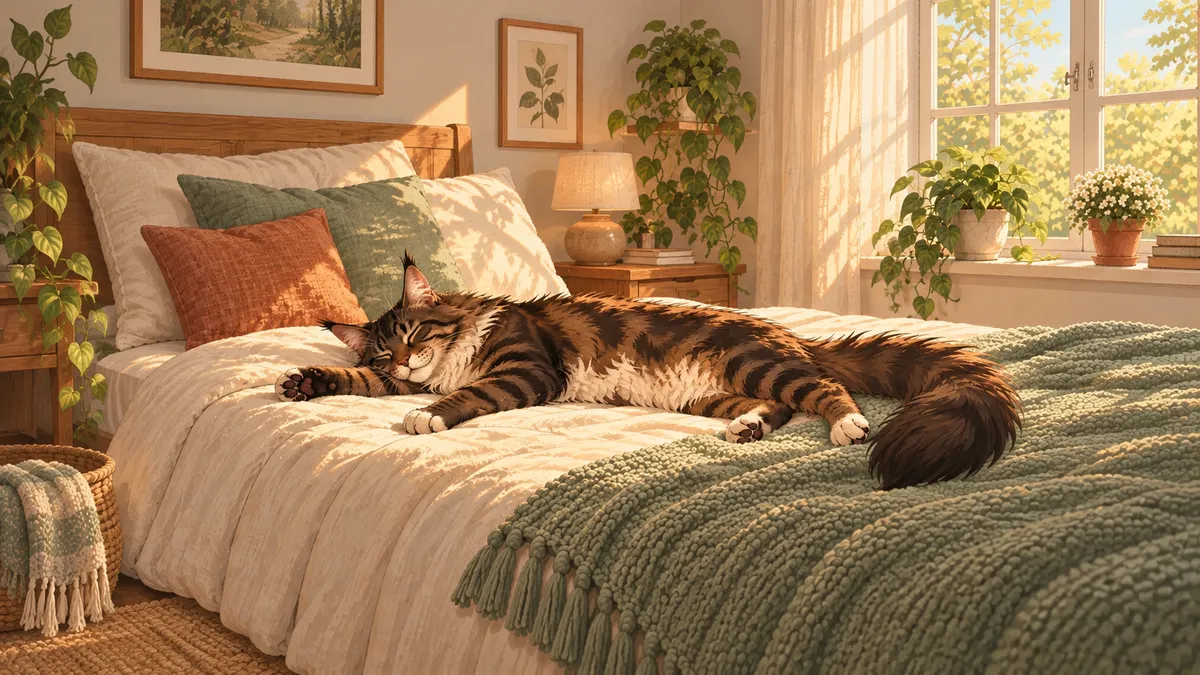
The short answer
Cats sleep a lot because they are hunters at heart: sleep restores the energy they need to hunt and protect themselves, and even a cat fed from a bowl keeps that instinct. Cats Protection and the RSPCA both put it at around 12 to 18 hours a day, spread over many naps, with kittens and older cats sleeping more. A clear change in how much or where your cat sleeps, especially with hiding or eating less, is a reason to call your vet.
How many hours do cats sleep?
Cats Protection says domestic cats sleep for approximately 12 to 18 hours a day, and the RSPCA gives the same range. It doesn’t come in one long night: cats rest on and off throughout the day, sometimes for just ten minutes, sometimes fast asleep for much longer.
The RSPCA adds that cats may sleep more in winter, to save energy or because the days are shorter. Day to day, what matters most is what’s normal for your cat.
Why cats sleep so much
Cats are built to hunt. Sleep restores their energy, which the RSPCA calls vital for a predator that must be ready to hunt whenever it detects prey. As Cats Protection puts it, a tired cat with no energy can’t hunt or protect themselves. Your cat may never catch their own dinner, but the instinct to sleep a lot remains.
The timing follows the hunt too. International Cat Care explains that a cat’s natural rhythms fit the times when small prey is active and vulnerable, usually dawn and dusk. That’s why your cat may doze all afternoon and come alive just as you settle down for the evening.
Light dozing and deep sleep
A cat that looks asleep is often still listening. Cats Protection explains that their ears may move or their tail twitch as they keep a lookout for danger. In deep sleep, the mouth or paws may twitch instead, which is completely normal and likely means they are dreaming.
Eyes closed but ears tracking every sound can be feigned sleep, which Cats Protection links to stress or not feeling completely secure, for example in a home where the cats don’t get on.
Either way, let your cat be. Cats shouldn’t be disturbed when sleeping, and a cat dozing on your lap may wake sleepy and disorientated if you keep stroking, and react defensively.
Kittens and older cats sleep more
Kittens and senior cats are likely to sleep more than the average adult. A kitten’s energy goes into growing, and plenty of sleep is important for normal growth and development, so let sleeping kittens lie.
Older cats tire faster. International Cat Care notes that they hunt less, sleep for longer periods and are generally less active, though Battersea points out that many still enjoy a game and may simply sleep a little longer afterwards. Steps or a ramp up to a favourite windowsill or sofa, and a warm, washable blanket out of draughts, help them keep their spots.
Warm, high and hidden: how cats pick a spot
Cats prefer warm places to sleep, which is why so many stretch out in sunlight or close to radiators. They also feel safest up high, away from dangers at ground level and with a good view, and International Cat Care notes that many cats feel vulnerable sleeping on the floor.
Then there are boxes. Domestic cats share ancestry with the African wildcat, which has to stay hidden from bigger predators, and a box is small, enclosed, warm and feels safe. If your cat snubs a new bed for the box it came in, try the bed somewhere higher, quieter and warmer.
Why your cat sleeps on you
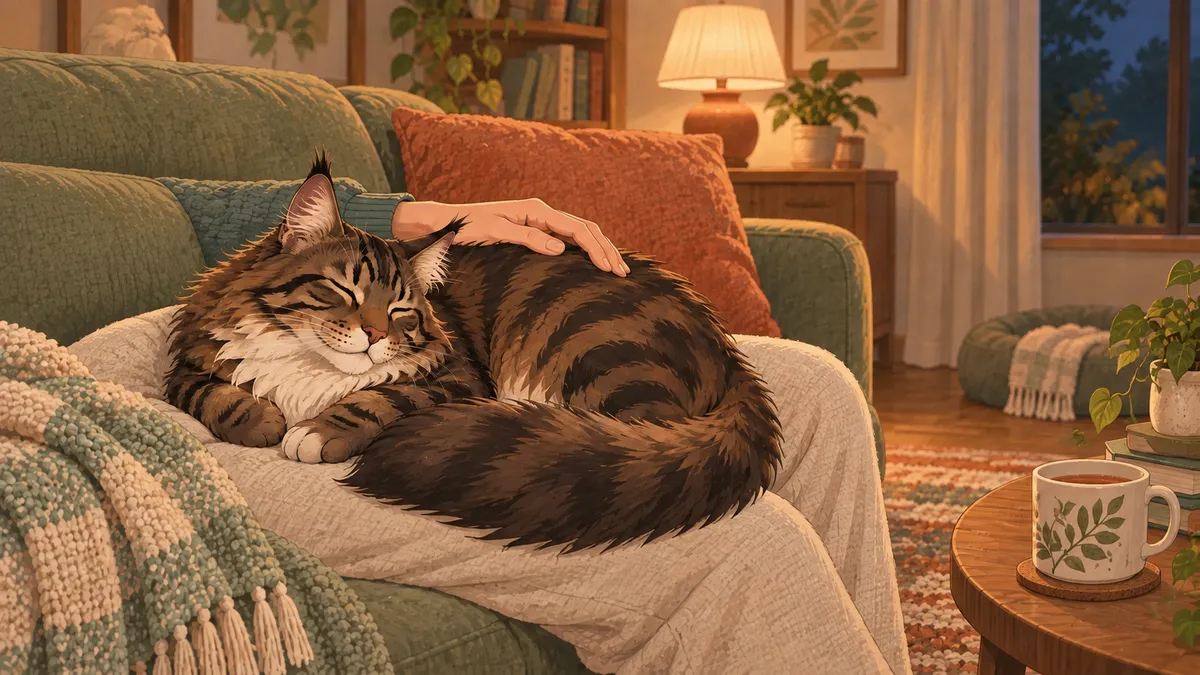
Cats Protection gives three main reasons. Warmth: your body is like a big hot water bottle. Trust: cats are fairly independent, so one who cuddles up to you sees you as a friend. And location: beds are comfortable, warm and raised, with a good view and a hiding place underneath, so you may simply be lying in their favourite spot.
Where they settle depends on what feels comfortable and secure to them: a lap for strokes, a pillow that’s warm and smells of you, or your feet for the same warmth and closeness. A cat who prefers to sleep alone is normal too; sleeping near you isn’t a reliable measure of happiness.
If you’d rather your cat slept elsewhere
Sharing your bed is safe, Cats Protection says, though if you’re allergic you may prefer your cat out of the bedroom, and it recommends keeping cats out of babies’ and young children’s rooms for safety.
Closing the door works, though a persistent cat may meow or scratch at it. Make the alternatives tempting first: a few comfortable, warm, private beds off the ground with a view, one of them with a blanket or pillowcase your cat has already slept on.
Help your cat sleep well
Offer several beds rather than one perfect one, since cats like to rotate where they sleep. Choose quiet spots away from noisy appliances and busy hallways, out of draughts but not too close to heat, and away from food, water and the litter tray. When you wash bedding, leave one bed unwashed so it keeps their reassuring scent.
Veterinary nurses writing for Cats Protection note that indoor cats may sleep more out of boredom, so daytime play matters, and Battersea notes that a predictable routine helps cats feel in control. If your cat’s liveliest hour is 4 a.m., our guide to cats waking you at night covers the evening routine. A Lapka lesson takes a few minutes, so it fits into a moment when your cat is awake and curious, and you never have to wake a sleepy cat for it.
When a change in sleep needs a vet
Cats naturally sleep a lot, so the question is whether something has changed. If your cat is sleeping a lot more than usual or hiding more, check with your vet. Battersea also lists looking lethargic and sleeping more than usual among the signs of stress.
Contact your vet if a sudden or lasting change in how or where your cat sleeps comes with other signs, such as eating less, drinking more or less, reluctance to jump, stiffness or weight loss. Difficulty breathing or breathing with an open mouth is urgent.
In older cats, the Cornell Feline Health Center lists changed sleeping patterns and avoiding a favourite resting place among the signs to watch, and says any change, sudden or gradual, warrants a vet visit without delay rather than being put down to old age.
A useful sleep note
Sun · up at 06:40, play and breakfast by 07:15 · asleep on the sunny windowsill 08:00–12:30 · up on the wardrobe after lunch, jumped easily · lively again from 18:30, ate all of dinner · asleep at our feet by 23:00.
A few days of notes show what’s normal for your cat; if naps grow much longer, high spots are abandoned or meals are left, you have something specific to show your vet.
Questions people ask
How many hours a day do cats sleep?
Cats Protection and the RSPCA both say around 12 to 18 hours a day, in many naps rather than one long stretch. Kittens and older cats tend to sleep more. More useful than any number is knowing what’s normal for your own cat.
Why does my cat sleep on me?
Mostly for warmth, comfort and closeness: your body is warm, your bed is comfortable and raised, and a cat who cuddles up to you trusts you.
Why does my cat sleep at my feet?
For the same reasons: warmth, comfort and being close to you. Where a cat settles depends on what feels comfortable and secure to them, and some cats prefer their own space altogether, which is normal too.
Is my cat sleeping too much?
Compare with your cat’s usual pattern. If they are sleeping much more than before, hiding more or eating less, contact your vet; difficulty breathing or breathing with an open mouth is urgent.
Sources and further reading
- Cats Protection — Cats and sleep
- Cats Protection — Why does my cat sleep on me?
- Cats Protection — What do cat sleeping positions mean?
- Cats Protection — Where do cats sleep? Create the perfect sleeping spot
- Cats Protection — Why do cats love boxes?
- Cats Protection — Cats at night
- Cats Protection — Cat naps (The Cat, Summer 2014)
- RSPCA — Caring for cats and kittens
- RSPCA — Cold weather care for cats
- International Cat Care — What is a cat?
- International Cat Care — Making your home cat friendly
- International Cat Care — Special considerations for senior cats
- Battersea — Caring for an older cat
- Battersea — Stressed cat
- Cornell Feline Health Center — Loving Care for Older Cats