Lapka
The short answer
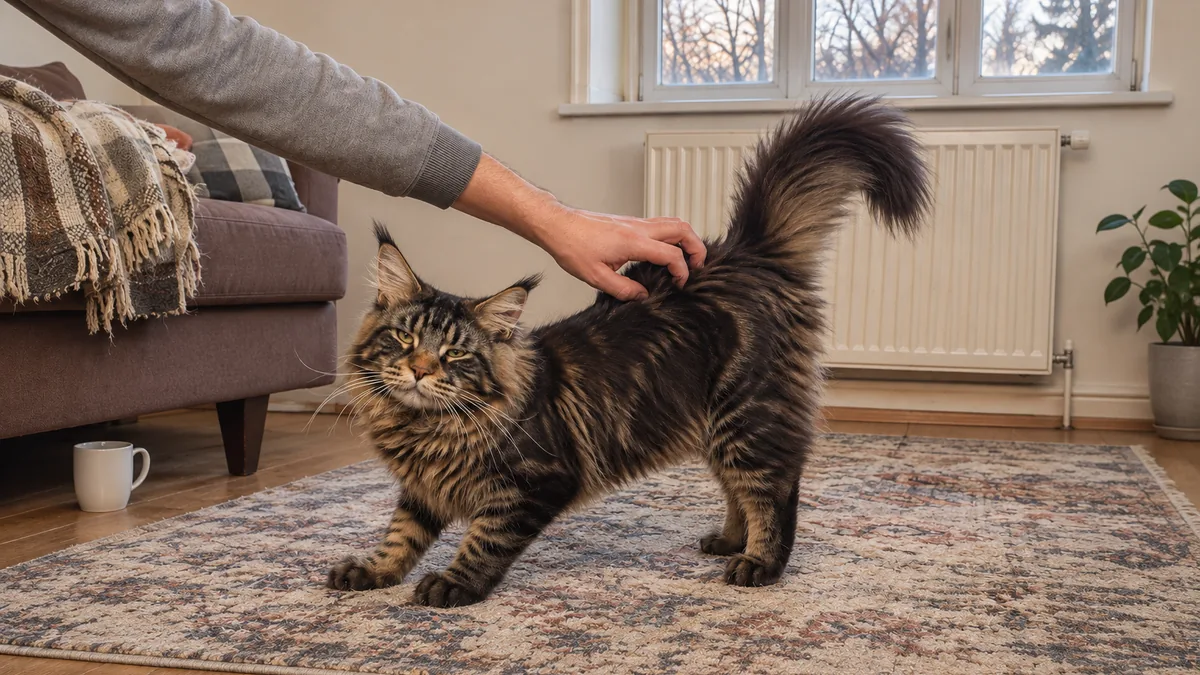
Some cats love a gentle scratch or stroke right above the tail and lift their bottom towards your hand. Cats Protection says the lifted bum is a good sign that your cat is enjoying the fuss, and that there are lots of nerve endings at the base of the tail. Many cats don’t like being touched there, though. Keep it gentle, use your fingertips instead of a pat, and pause every few seconds.
Why do cats lift their bum when you pet them?
Cats Protection, the UK cat charity, says a cat who lifts their bum in the air while you give them a fuss is showing a good sign: they’re enjoying it. As for why, the charity gives a few possible reasons.
The first is simple. Some cats particularly like being petted at the base of the tail, because there are lots of nerve endings there. Raising the bottom moves that spot closer to your hand, which may be their way of getting you to carry on.
The second is that it may just happen. Lifting the bum when petted could be a physiological response the cat has no control over.
A sign of trust, and a friendly sniff
A cat’s bum is a vulnerable area. Cats Protection suggests a cat will only show it off to someone they’re happy and comfortable around.
Scent may come into it too. Cats introduce themselves by sharing their scent, and the bottom has a lot of scent glands. International Cat Care says cats mark the members of their group using scent glands in the face, body and tail. So a raised bum may be an invitation to have a sniff, as a friendly hello. Cats Protection adds that you don’t actually need to sniff it.
Why do cats lift their bum when in heat?
The last reason on the charity’s list is of another kind. Unneutered female cats will often raise their bum as a sign that they are in heat and ready for a mate.
So if your cat is a female who hasn’t been neutered, keep that in mind, and ask your vet about heat and neutering. The other reasons on the list are about cats in general, males included.
Do cats like butt pats?
Do cats like being patted on the bum? Some do. Many don’t. Even the charities place this spot differently, which tells you how much it depends on the cat.
Cats Protection lists the base of the tail among the places some cats will like being stroked, next to behind the ears, along the top of the back, the chest and the sides. Battersea puts it in its red zone with the stomach: these areas are particularly sensitive, so the majority of cats won’t like being stroked there. International Cat Care says to avoid the base of the tail, the legs and the belly.
Red-zone areas are especially sensitive and easily hurt in a fight with another cat, International Cat Care explains, so a touch there may feel like a direct threat. It also says that one cat liking a spot doesn’t mean all cats will. If your cat pushes their bottom into your hand, they’re one of those who do. If not, leave it.
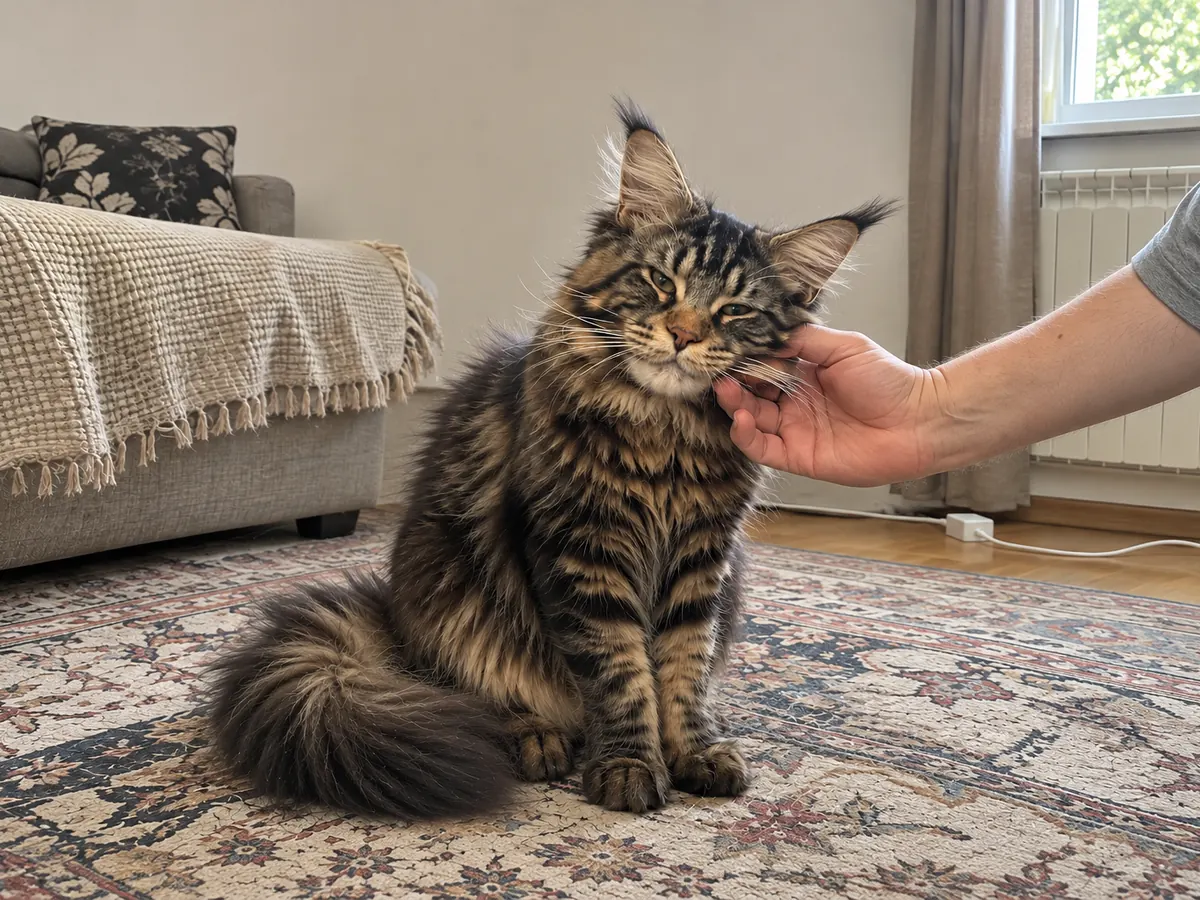
A safer place to start is the face. Battersea’s green zone is the cheeks, head and chin, where lots of friendly cats enjoy a stroke.
Why do cats like their butt scratched?
For cats who do like being stroked, Cats Protection gives a couple of possible theories. Many of the places cats like being touched have lots of nerve endings, so it feels good. And being stroked could be calming and help them relax.
The spot above the tail is also hard for a cat to reach. Dr William Miller of the Cornell Feline Health Center points out that cats are grooming animals. Fleas bite mostly on the back of the neck and the top of the tail head, he says, because they quickly figure out that a cat can’t get at those areas.
That doesn’t mean every cat who loves a scratch there has fleas. But if your cat keeps scratching, licking or chewing the spot, take a closer look. There’s more on that at the end.
The base of the tail is not the tail
The spot people mean by butt pats is the lower back, just in front of where the tail starts. The tail itself is another matter. Cats Protection says a cat’s tail is very sensitive because it contains lots of nerve endings, which is why most cats don’t like having it touched. Never pull it: that would be very painful and could cause lasting nerve damage.
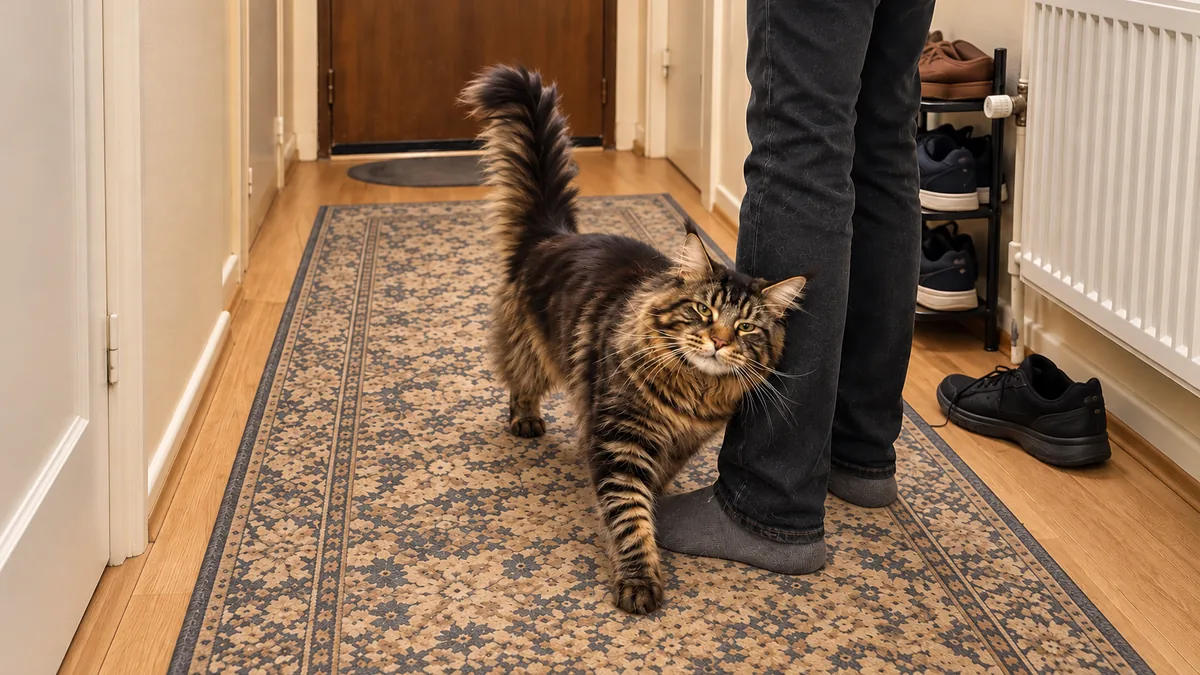
The tail also tells you how it’s going. Cats Protection lists a tail pointing straight up among the signs of a happy, confident cat. If the fur at the base of the tail puffs up, your cat may be overstimulated. Stop stroking then, because they could bite.
How to give a butt scratch your cat enjoys
Let your cat come to you. Slowly hold your hand out and keep it still. A cat who wants to interact will come to your hand and maybe sniff it. Cats Protection says a cat who hasn’t come over after a minute or two doesn’t want to be touched.
Start where most cats like it, with a gentle stroke or tickle on the cheeks or chin. Then try the top of the head and the upper back, near the neck and shoulders. Always move your fingers in the direction of the fur.
If your cat leans in and pushes their bottom up as your hand moves down the back, try a light scratch with your fingertips just above the tail. Skip the slap. Cats Protection says never to pat a cat with your hand, because it can be too rough for them. International Cat Care says cats prefer gentle touch that doesn’t hold them in place, with repeated rubs and strokes.
Then pause. Battersea suggests stopping after 3 seconds. If your cat tries to start it again, by rubbing against you for instance, carry on. If not, they’ve probably had enough for now. International Cat Care gives 3 to 5 seconds before each pause.
Why do cats not like the base of their tail scratched?
For many cats it’s simply too sensitive a spot. Watch your cat while your hand is there, because a cat who stays put isn’t always enjoying it. Cats Protection says a cat who doesn’t move away but looks anxious or stressed is only tolerating the touch. Stop and move away.
International Cat Care lists the signs of discomfort: moving away, freezing, looking tense, turning the head sharply towards your hand, rotating or flattening one or both ears, a quick head shake, licking the nose, swishing the tail, the skin rippling along the back, or a brief, fast wash. Its guide to handling adds a thrashing or thumping tail.
Some cats enjoy a lot of fuss, others only a minute or two at a time. If your cat hisses, growls or tries to bite your hand, stop. If strokes often end in a nip, a Lapka programme can work on it with short daily sessions that it adjusts after each one.
When touchiness or itching there means a vet
Cats are particularly good at hiding pain, Cats Protection says, so a touch can be the first time you find out about it. Touching a cat in pain could make the pain worse.
The Cornell Feline Health Center describes cats whose skin becomes extremely sensitive in one area, almost always on the back and often right in front of the tail. Owners often notice when they go to pet that spot and the cat suddenly reacts. The skin may ripple. The vet starts by looking for a cause of pain there, such as spinal arthritis, and for skin problems, including parasites, allergies and fungal infections.
See your vet if your cat used to enjoy a scratch there and now flinches, turns on your hand or won’t let you near the spot. The same goes if they keep scratching, licking or chewing it, or overgroom; if you find a small bumpy rash on the lower back, or black specks of flea dirt; if the coat looks scruffy or matted; or if they find it hard to groom the middle of the back and tail, which Cats Protection lists among the signs of arthritis. PDSA notes that you may not see fleas at all if your cat is overgrooming and removing them.
International Cat Care’s rule covers the rest: any change in behaviour is significant, because it could be a sign of a health condition.
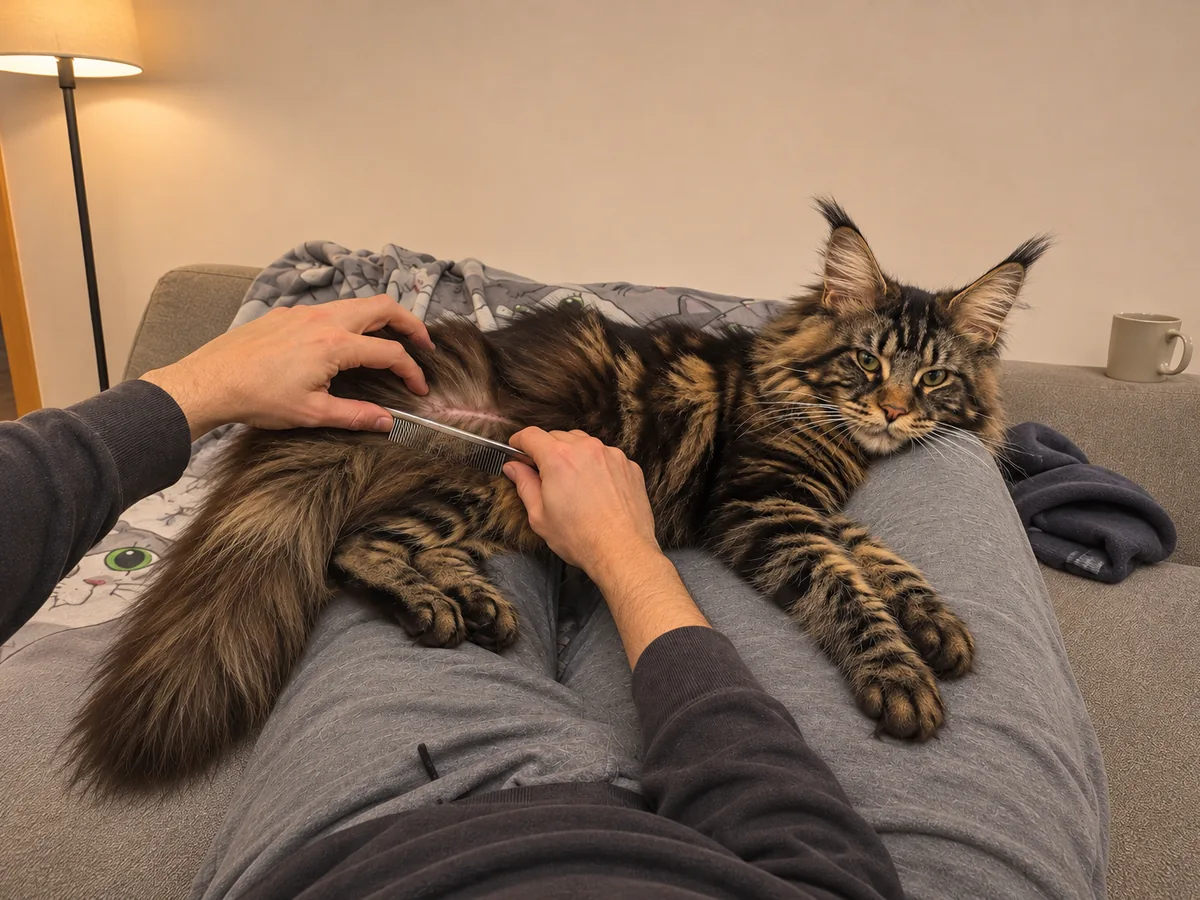
What a week of notes can look like
Mon evening: stroke from her head down her back. At the hips her bottom goes up and her tail stands straight. Three seconds, pause: she pushes into my hand again.
Wed: the same stroke straight after a long game. The skin on her back ripples and her tail starts thumping. I stop. She walks off and washes.
Sat: she comes over by herself and turns her back end to me. Fingertips only, short scratches, a pause each time. She stays about two minutes.
Notes like these show where the line is for your cat. Here it’s short scratches when she starts it, and none right after play. If the rippling ever starts for no reason, or she begins to avoid the spot, the same notes help your vet.
Questions people ask
Why do cats like booty pats so much?
Cats Protection gives a few possible reasons. The base of the tail has lots of nerve endings, and lifting the bottom brings that spot closer to your hand. It could also be an automatic response, a sign of trust or a way to share scent. Plenty of cats don’t like it at all.
Why do cats like the base of their tail tapped?
If your cat lifts into your hand there, they’re enjoying the spot. Still, Cats Protection says never to pat a cat with your hand, as it can be too rough for them. A fingertip scratch or a short stroke reaches the same place more gently.
Is it bad to pat a cat on the bum?
Cats Protection advises against it. It says never to pat a cat with your hand, as this can be too rough for them, and it puts the bum among the places cats are least likely to enjoy being stroked. A gentle fingertip scratch just above the tail, for a cat who asks for it, is a different thing.
Why does my cat bite me when I scratch above her tail?
It may be too much. Cats Protection says fur puffing up at the base of the tail may mean your cat is overstimulated, and that it’s best to stop then, as they could bite. Keep scratches short and pause every 3 seconds. If the biting is new, or comes with rippling skin, see your vet.
Do male cats like butt pats too?
Some do. Of Cats Protection’s five possible reasons, only one depends on sex: unneutered female cats often raise their bum when they’re in heat. The other four, the nerve endings, the automatic response, trust and scent, are about cats in general.
Sources and further reading
- Cats Protection — How do you pet a cat? And other FAQs
- Battersea — How to stroke a cat and interact with them
- International Cat Care — Handling and interactions
- International Cat Care — Cat Friendly Interaction
- Cats Protection — Cat tail meanings
- International Cat Care — Why do cats..?
- Cornell Feline Health Center — Flea Allergy
- PDSA — Flea Allergic Dermatitis in cats
- Cornell Feline Health Center — Hyperesthesia Syndrome
- Cats Protection — Arthritis in cats
- Cats Protection — Signs of pain